
Sign in

GMDA integrates social media for grievance redressal

 In addition to WhatsApp, GMDA has integrated social media platforms such as Twitter, Facebook, and Instagram with its complaint handling system

Updated on: Jul 21, 2024, 05:40:18 IST
Share
Share via
  • facebook
  • twitter
  • linkedin
Copy link
  • copy link

The Gurugram Metropolitan Development Authority (GMDA) has upgraded its complaint-handling system by integrating WhatsApp and social media platforms, making it more user-friendly and efficient. This enhancement allows Gurugram residents to submit complaints regarding civic infrastructure more easily, said officials.
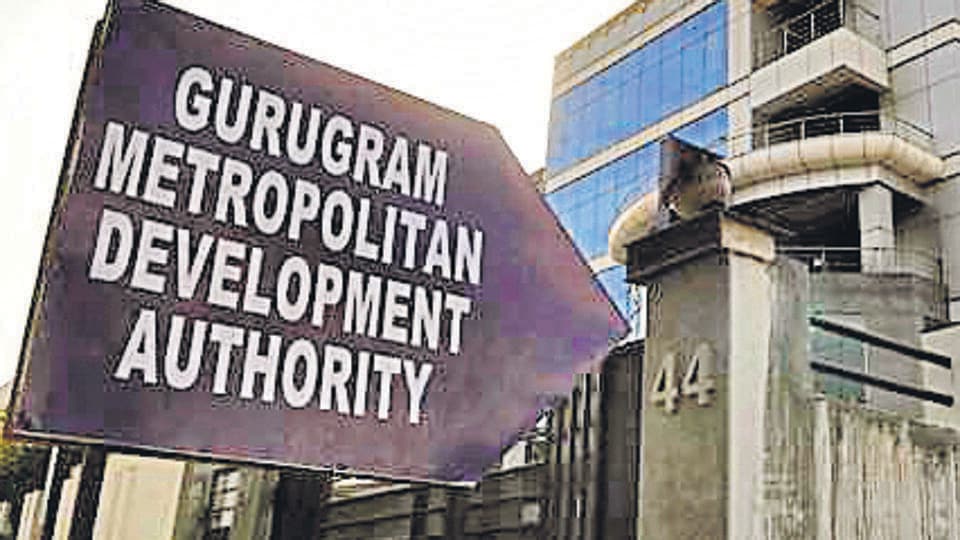
According to GMDA officials, residents can now register complaints by sending a message to the WhatsApp number +91 7840001817. (HT Archive)

According to GMDA officials, residents can now register complaints by sending a message to the WhatsApp number +91 7840001817, including photographs highlighting the issue. Additionally, a missed call to +91 9873353224 will prompt a call centre executive to return the call and register the complaint.

P.K. Aggrawal, consultant for the Smart City division of GMDA, explained that the process of submitting grievances has been simplified. “Residents can now raise their complaints on WhatsApp and share supporting images. This can highlight issues such as water supply, drainage, sewerage, road conditions, waste collection, sanitation, waterlogging during monsoon, and other services covered by the GMDA Grievance Redressal System. The messages on WhatsApp will be acknowledged and forwarded to the concerned department and officer. Given WhatsApp’s widespread use, this addition will further enhance the system’s utility,” he said.

In addition to WhatsApp, GMDA has integrated social media platforms such as X, Facebook, and Instagram with its complaint handling system, said Aggarwal. “Complaints or issues raised on these platforms will be tracked by the GMDA software and escalated to the appropriate departments for resolution. This integration ensures that all grievances, regardless of the platform used to report them, are addressed promptly and efficiently,” he added.

Previously, residents had to submit complaints related to the Municipal Corporation of Gurugram (MCG), the Municipal Corporation of Manesar (MCM), and GMDA via toll-free numbers, the MyGurugram mobile app, or the dedicated GMDA helpdesk. While these channels remain operational, including WhatsApp and social media offer a more accessible and efficient way to address grievances, said officials.

“Integrating these new platforms is part of our ongoing efforts to make Gurugram a smart city. By utilising popular and widely used apps like WhatsApp and social media, we are making it easier for residents to report problems and receive timely solutions. This approach not only streamlines the process but also encourages more people to actively participate in keeping the city clean and well-maintained,” Agrawal said.

The move is expected to significantly boost the efficiency of GMDA’s Grievance Redressal System, making it more responsive to the needs of Gurugram’s residents, said officials. This technological upgrade is a step towards a more inclusive and proactive approach to urban management, they added.

  • Leena Dhankhar
    ABOUT THE AUTHOR
    Leena Dhankhar

    Leena Dhankhar is Senior Editor and Bureau Chief, Gurugram, at Hindustan Times, where she has spent over 17 years chronicling the transformation of one of India's fastest-growing urban regions. From starting her career as a crime reporter to leading the Gurugram bureau, her journalism has been defined by investigative reporting, in-depth storytelling and an unwavering focus on public interest. Over nearly two decades, she has reported extensively across crime, politics, civic governance, elections, real estate, environment, courts, sports, education and entertainment, covering Gurugram, Faridabad, Nuh and Palwal. Her reporting has exposed several major scams and systemic failures, including insurance frauds, waste management irregularities, illegal arms manufacturing units in Nuh, illegal mining in the Aravallis, organised crime networks and governance lapses affecting millions of residents. Known for her investigative work and exclusive stories, Leena has reported on high-impact national issues, including the Nicaragua charter flight carrying Indian migrants that was turned back amid allegations of human trafficking, exposing the growing network of illegal immigration rackets. Her work has also focused on gang wars, prison administration, juvenile crime, women and child protection systems, the functioning of the Juvenile Justice Board and Child Welfare Committee, and environmental challenges such as pollution, waterlogging and deteriorating civic infrastructure. Beyond hard news, Leena has extensively documented Haryana's rich heritage, forests and wildlife, bringing attention to the state's historical landmarks, biodiversity, conservation efforts and ecological challenges through immersive reportage and feature writing. Her journalism has consistently gone beyond breaking news. She has documented Gurugram's rapid urbanisation through long-form narratives and enterprise reporting on issues ranging from pothole-ridden roads, flooding and waste management to the changing social fabric of India's Millennium City. She also writes widely read feature columns, including The Outsider, Changemaker, and Concern for Gurugram, profiling people, places and ideas shaping the city's identity. Leena is the author of Gurugram School Murder, published by Juggernaut Books, a deeply reported account of one of India's most high-profile school murder investigations. She is currently working on her second book, an investigative work exploring some of India's most significant scams and fraud investigations. Beyond print journalism, she has expanded her storytelling through public speaking and digital media. She is a TEDx speaker and has produced podcasts exploring Gurugram's transformation, civic challenges and untold stories. Her work reflects a commitment to narrative journalism that combines rigorous reporting with compelling storytelling. A law graduate with an MBA in Human Resources, Leena brings a multidisciplinary perspective to her reporting, particularly on governance, public policy and legal affairs. She has travelled extensively across India to pursue investigative assignments, often reporting from remote locations and conflict-prone areas in search of stories that matter.Read More