
 E-Paper



Gurugram forest dept fills artificial ponds to support wildlife in Aravallis
Eight permanent ponds and nearly 90 water points are being maintained with tanker supply as officials step up monitoring and fire prevention during peak summer.

 Prefer HTon Google


The Gurugram forest department has begun filling artificial ponds across the Aravalli region in Gurugram and adjoining areas to tackle water scarcity and prevent wildlife from straying into human settlements, officials said.
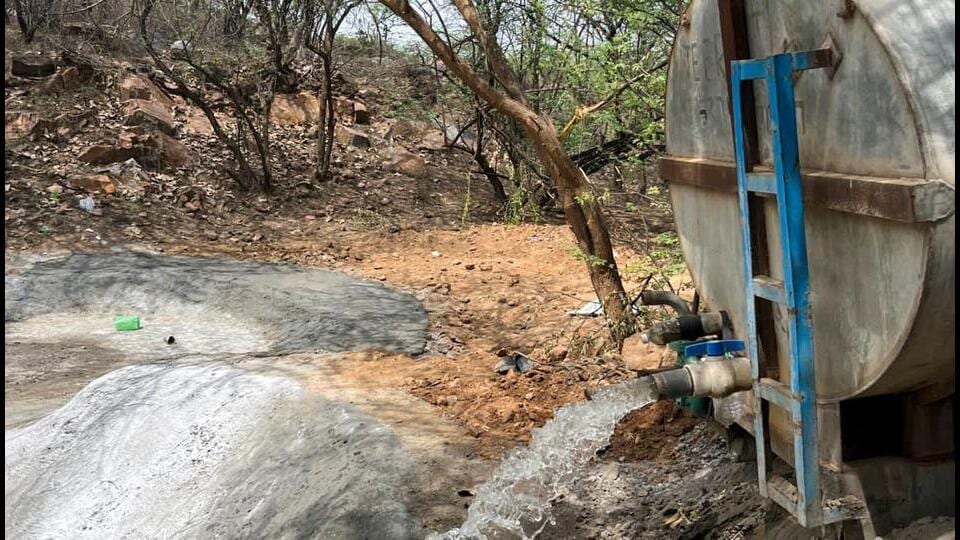
At least eight permanent ponds have been developed in forest areas and are being regularly filled through tankers, forest department officials said. Nearly 90 water points have also been identified across the Aravallis, including ecologically sensitive zones such as Mangar Bani, with arrangements being strengthened. Officials said letters have been sent to concerned agencies to ensure timely water supply.
With rising temperatures, natural water sources dry up quickly, forcing animals such as leopards, nilgai and jackals into nearby villages, often leading to human-wildlife conflict,according to forest officials.
Divisional forest officer Ramkumar Jangratold HT, “With the rise in temperature, water becomes the most critical requirement. In the Aravallis, water availability for wildlife is limited, which is why permanent ponds have been constructed so that water remains available for longer durations. Temporary water sources tend to dry up quickly. The department is also on alert to prevent fire incidents during this period.”

Meanwhile, Haryana forest and wildlife minister Rao Narbir Singhtold HT, “Ensuring water availability for wildlife in the Aravallis is a priority during the summer months. These measures will help reduce distress movement of animals and minimise human-wildlife conflict while strengthening conservation efforts.”
Officials said water bodies are being monitored regularly and field teams deployed to ensure supply and prevent depletion. Vigilance has also been increased to prevent forest fires during the dry season.
Environmentalists welcomed the move as a key step for conservation and coexistence. Vaishali Rana said, “Providing water within forest areas is one of the most effective ways to prevent wildlife from straying into human settlements. This initiative will help reduce conflict and support animals during extreme summer conditions.” She added that sustained ecological planning remains essential, including protecting natural water bodies and restoring habitats in the Aravallis.

Stay updated with all the Breaking News and Latest News from Mumbai. Click here for comprehensive coverage of top Cities including Bengaluru, Delhi, Hyderabad, and more across India along with Stay informed on the latest happenings in World News.


