
 E-Paper



‘Gurugram is a good city but has its own challenges’
Looking back, Fuloria said he could not have imagined in 2005 that Gurugram would transform so rapidly. He described the city as it is divided into two parts.

 Prefer HTon Google


RC Fuloria first visited Gurugram in 2005, when his son moved to the city. He recalls it as a quieter place that was still developing. Though he made Gurugram his home in 2021, Fuloria says he has seen the city change steadily into what he now describes as a “concrete jungle”.
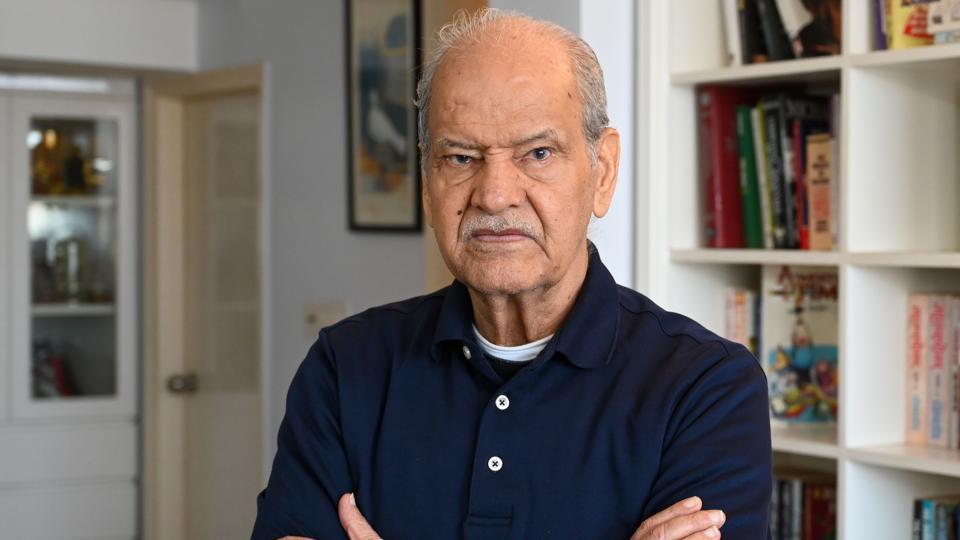
Fuloria spent his childhood close to nature, completing his schooling and higher education in the hills of Kumaon, Uttarakhand. He moved to Delhi in 1983 and later worked abroad for nearly a decade, teaching at universities and working as a geologist. In December 2025, he published his first book, “Where The Goddess Flows”, which is based on the river Saraswati of Triveni in Prayagraj.
Looking back, Fuloria said he could not have imagined in 2005 that Gurugram would transform so rapidly. He described the city as it is divided into two parts. While the new side of Gurugram has comparatively better infrastructure, he said the older side of Gurugram continues to struggle with poor roads and lack of basic facilities.
“The city has high-rises, large real estate projects, metro lines and glass buildings, but it still lacks clean air, proper road infrastructure and well-maintained streets. This is not what development means to me,” Fuloria said.
Recalling a recent experience, he said he had to visit a post office and found the roads in poor condition. “At 90 years old, I ended up hurting my back,” he said, adding that Gurugram has its strengths but also serious challenges.
Fuloria said the problems are not limited to the administration and that residents also share responsibility. “There is a lack of civic sense. People drive recklessly and litter on their own streets. We have forgotten how to treat the city as our own home,” he said.
“Nowadays, everything has become more materialistic. People have forgotten to value small things like spending time with family, connecting with nature and taking pride in their surroundings,” he said.
According to Fuloria, rapid urbanisation and the constant pursuit of wealth have altered the city’s mindset. “Earlier, there was a sense of community and people showed care for one another. Today, the focus is on personal gain and high-rise living. True development should balance progress with human values and a connection to nature,” he added.
Despite his concerns, Fuloria said he remains hopeful about Gurugram’s future. He acknowledged that the city offers opportunities in education, employment and modern amenities that were unavailable during his childhood. “In Almora, we walked to school because there were no motorable roads. But we never had to wear masks,” he said.
“Opportunities alone do not define development,” said Fuloria, adding that a city is developed when people can live safely, breathe clean air and take pride in their surroundings. “Gurugram has progressed, but there is still much to be done,” he said.
He expressed faith in the city’s residents, calling them Gurugram’s greatest strength and saying many are willing to bring change.
(R.C. Fuloria is a geologist and author who lives in The Palms in Sector 41 of Gurugram.

Stay updated with all the Breaking News and Latest News from Mumbai. Click here for comprehensive coverage of top Cities including Bengaluru, Delhi, Hyderabad, and more across India along with Stay informed on the latest happenings in World News.


