
 E-Paper



HT Interview: New Gurugram DC outlines plan on traffic, pollution, drains
DC Singh says inter-agency coordination, regular reviews and defined timelines will drive solutions, with focus on root causes, enforcement and citizen feedback.

 Prefer HTon Google


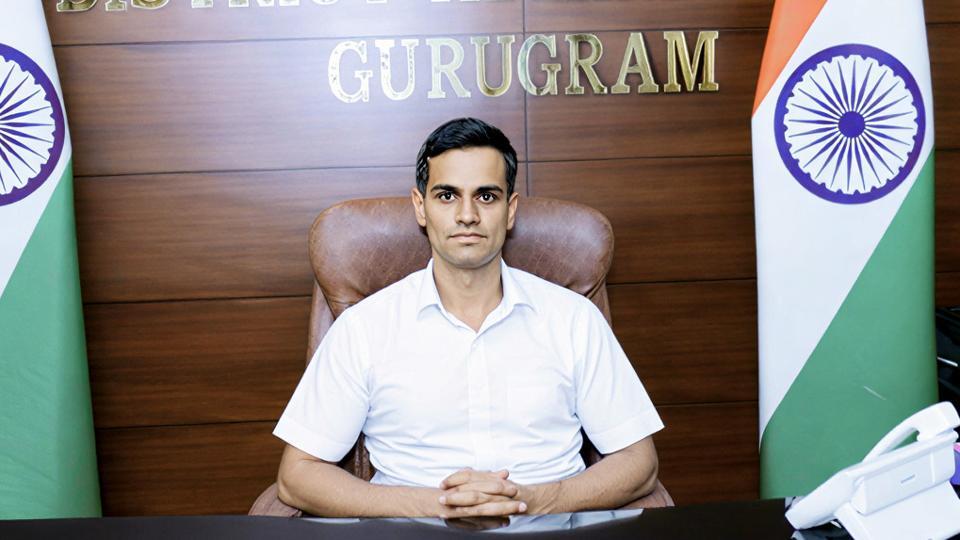
Newly appointed deputy commissioner Uttam Singh on Monday said his administration will focus on traffic congestion, pollution, sanitation and waterlogging, with an emphasis on coordination, accountability and time-bound execution. In a conversation with Leena Dhankhar after taking charge at the Mini Secretariat, Singh outlined his priorities and approach to governance.
What are your immediate priorities after taking charge in Gurugram?
Singh: The key issues on my agenda are traffic management, pollution control, sanitation and waterlogging. These are the concerns that directly impact citizens’ daily lives and require urgent attention. We will approach each of these in a structured and time-bound manner. For instance, traffic bottlenecks will be identified and addressed through better planning and enforcement, while sanitation and waterlogging issues will be tackled through coordinated action on the ground, especially ahead of the monsoon season. The idea is to prioritise areas with maximum impact and deliver visible improvements.
Gurugram often faces coordination gaps between multiple agencies. How will you address this?
Singh: Coordination is critical in a city like Gurugram, where multiple agencies are responsible for different aspects of governance. Many of the challenges, including waterlogging, road repairs and waste management, require joint action. My focus will be on strengthening inter-departmental coordination through regular review meetings, clear accountability and defined timelines. We will ensure that departments work in tandem rather than in silos, so that efforts translate into tangible outcomes for citizens.
What approach will you take to solve long-standing civic issues?
Singh: I believe in action and solutions rather than just discussing problems. Our approach will be to look at issues holistically, understand their root causes and then design practical, implementable solutions. Many problems in Gurugram are interconnected, so addressing them requires going into depth rather than applying temporary fixes. We will take up issues one by one, ensure sustained intervention and monitor progress closely so that solutions are long-lasting.
Air pollution remains a major concern in the city. What is your plan?
Singh: Air pollution is a serious and complex issue that needs a multi-pronged strategy. We will strengthen monitoring and enforcement in coordination with all concerned departments. A key focus will be on construction and demolition waste, which is a major contributor to dust pollution. We will ensure stricter compliance with norms, improve waste handling systems and increase inspections. Public awareness and participation will also play an important role in tackling this challenge.
How do you plan to improve service delivery?
Singh: Governance is ultimately about service delivery. We are here for the people, and our focus will be on improving basic infrastructure such as roads, water supply and sanitation. We will strengthen monitoring mechanisms, particularly in critical areas, to ensure that work is executed properly and within timelines. Technology and regular field inspections will be used to track progress and ensure accountability at every level.
Will citizen feedback play a role in your administration?
Singh: Absolutely. Local feedback is extremely important to understand the real situation on the ground. We will regularly engage with residents, RWAs and stakeholders to gather inputs and identify gaps in service delivery. This feedback will be integrated into decision-making, helping us respond more effectively and improve outcomes.
What message would you like to give to the people of Gurugram?
Singh: The administration is fully committed to improving the city’s infrastructure and overall quality of life. We will work with a clear focus on accountability, coordination and timely execution. However, citizens also have a crucial role to play. With collective effort and cooperation, we can address challenges more effectively and make Gurugram a better place to live.


Stay updated with all the Breaking News and Latest News from Mumbai. Click here for comprehensive coverage of top Cities including Bengaluru, Delhi, Hyderabad, and more across India along with Stay informed on the latest happenings in World News.


