
 E-Paper



Reporter’s Diary: Rain check on Gurugram civic bodies’ monsoon claims
Road cave-ins, potholes and unfinished civic works disrupted daily life, raising fresh questions over construction quality and official accountability.

 Prefer HTon Google


All it took was 115 mm of rain over two days to expose the cracks beneath Gurugram’s gleaming skyline. Beyond its glass towers and corporate offices lay another Gurugram, where roads caved in, school buses and other vehicles skidded into gaping potholes, government buildings were inundated and residential lanes disappeared under rainwater.
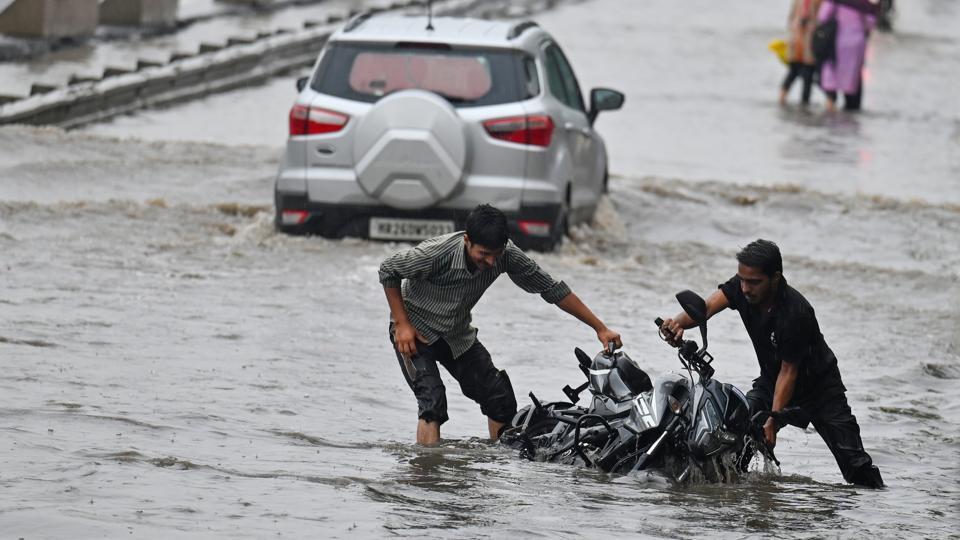
I had seen Gurugram sinking under monsoon rains in countless news reports. This time, as I reported from the ground, the story unfolded before my eyes, and it was different. While several residents told me the situation had improved this year, with water receding from major roads within two to three hours, what stood out was a more pressing concern: the quality of Gurugram’s roads.
During the spell of rain, I saw four major road cave-ins, vehicles and school buses skidding into potholes, and deep trenches left exposed for sewer work. These incidents once again raised questions over the accountability of civic authorities and contractors responsible for building and maintaining Gurugram’s infrastructure.
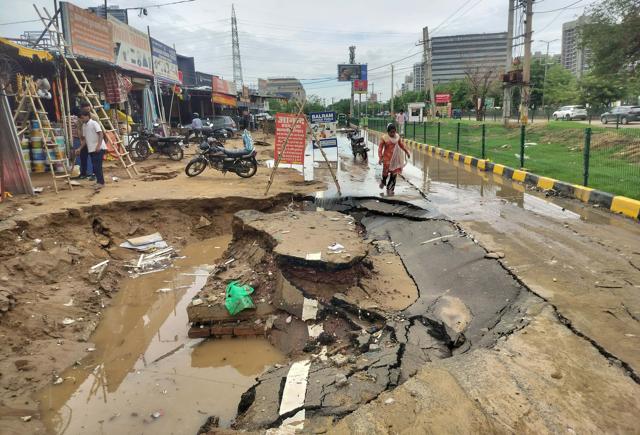
Across several sectors, residents questioned the timing of ongoing roadwork. As a civic reporter, I have come to expect the explanations whenever I ask officials why projects remain incomplete. The answers rarely change. I am told the work has been awarded but is yet to begin; there is a shortage of bitumen, and contractors fail to mobilise workers on time, then the monsoon arrives, followed by restrictions under the Graded Response Action Plan (GRAP) before winter sets in. The excuses change in detail, but not in pattern.
What particularly concerned me was witnessing bitumen work during rainfall near Nirvana Country in Sector 50. Watching fresh layers of road material being laid in wet conditions prompted a simple question: if the basic conditions for road construction are compromised, how can the city expect a different outcome when the rains arrive?
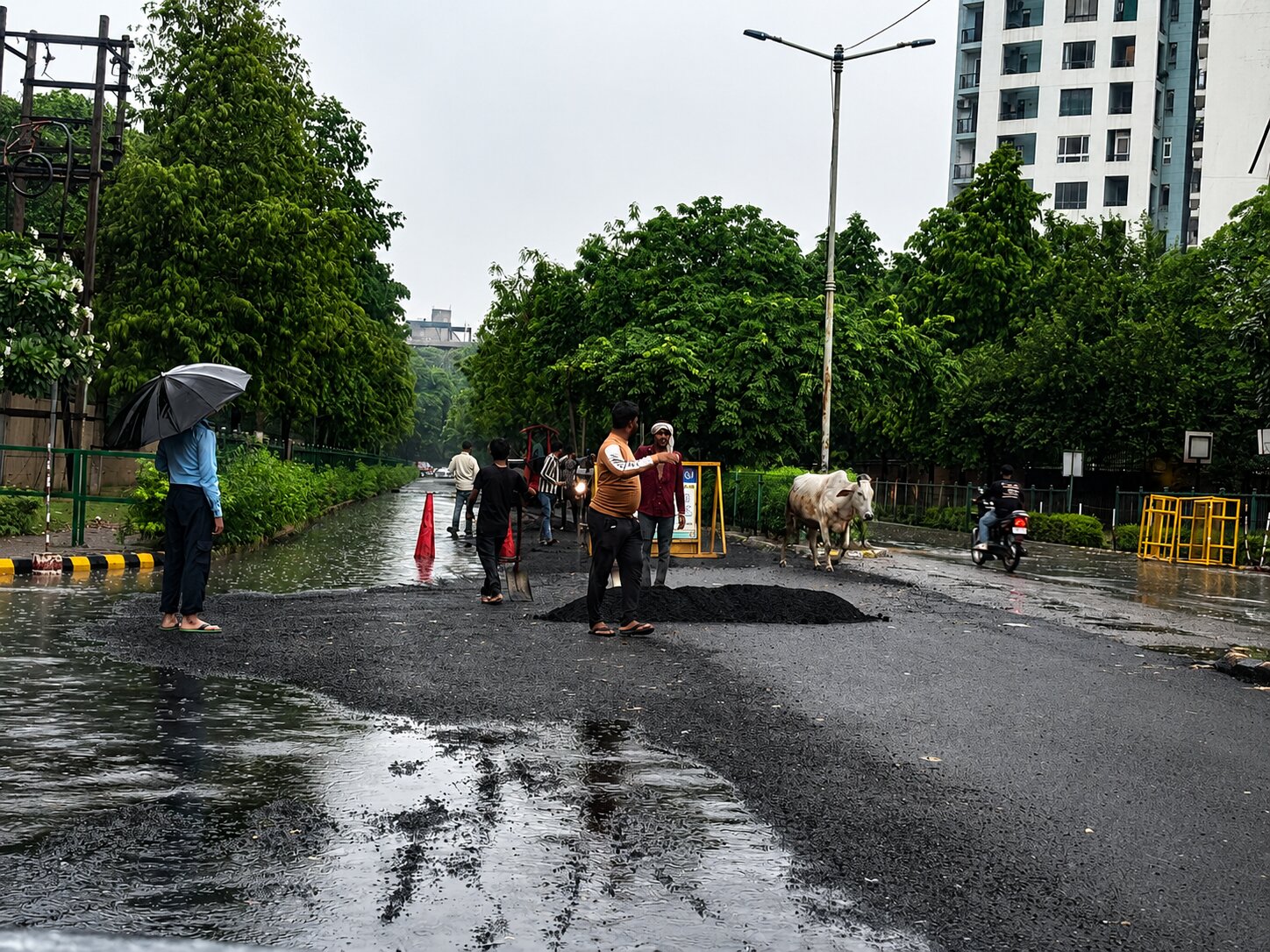
For Haryana’s largest revenue-generating city and a symbol of rapid urbanisation, the scenes reflected chronic civic neglect and served as another reality check for the authorities responsible for keeping the city running.
Beyond questions of accountability and infrastructure, I found that residents bore the immediate impact. For many, the rain meant disrupted school runs, delayed office commutes, vehicles stuck in slush and the uncertainty of travelling on roads that could give way without warning. Dug-up roads, broken footpaths and unfinished projects have turned routine movement into a daily challenge.
As Gurugram continues to expand as a hub of corporate offices and urban growth, I believe its infrastructure must keep pace with its ambitions. The latest rains may have passed, but the questions remain: who is accountable for repeated failures, who ensures the quality of civic works, and when will a city that contributes so significantly to Haryana’s economy receive infrastructure that matches its stature? For residents, every monsoon is a reminder that Gurugram’s future cannot be built on promises alone but on roads, systems and civic planning that can withstand the rain.
Mihika is a correspondent with HT Gurugram, covering residents’ welfare, education, art and culture.


Stay updated with all the Breaking News and Latest News from Mumbai. Click here for comprehensive coverage of top Cities including Bengaluru, Delhi, Hyderabad, and more across India along with Stay informed on the latest happenings in World News.


