
 E-Paper



14 Gurugram sectors face water shortage; GMDA says no lasting solution in sight
Residents of condominiums in Gurugram, India, have experienced a severe lack of water supply over the past few days, leading to heavy reliance on private water tanker suppliers. The Gurugram Metropolitan Development Authority (GMDA) has acknowledged the issue and is working on improving supply, but a permanent solution will take at least a year. The water shortage is due to a deficiency in distribution infrastructure and the unavailability of raw water. GMDA is distributing available water in phases to affected areas. The demand for water in the city exceeds the current supply infrastructure.

 Prefer HTon Google


Residents of several condominiums ranging from Sector 58 to Sector 72 have complained about a severe lack of water supply over the last four to five days, forcing them to rely heavily on private water tanker suppliers.
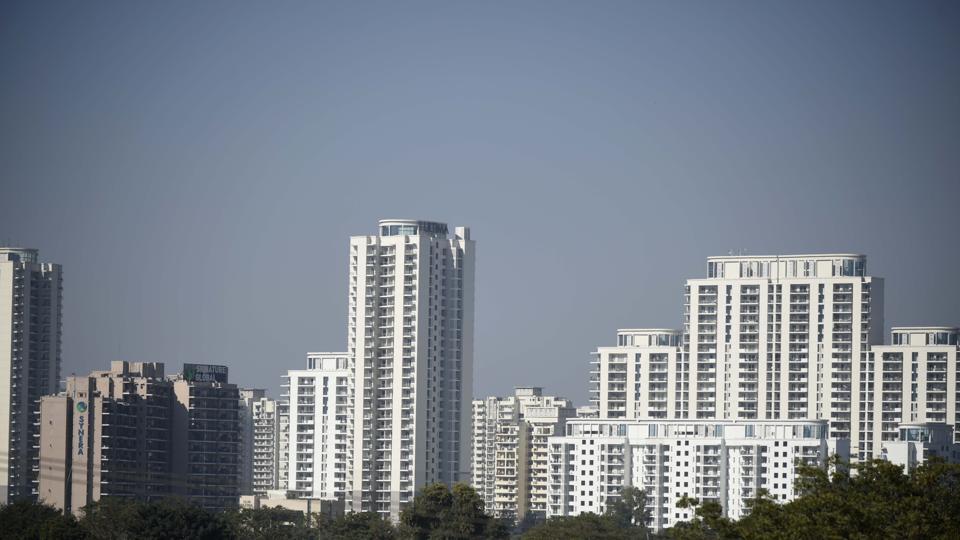
According to resident welfare associations (RWA)s, the water supply has been reduced by nearly half in the last few days, water stored in underground tanks is depleted, and estate managers have begun sending messages encouraging water rationing and conservation.
GMDA said it is taking steps to improve supply but admitted that a permanent solution would take at least a year because they are building a boosting station in sector 72 and a 100 MLD water treatment plant at Chandu Budhera.
Until then, GMDA will distribute available water in phases. “We are working to ensure that the available water is supplied to all affected areas in a phased manner so that residents can meet their requirements,” said Rajesh Bansal, chief engineer of Gurugram Metropolitan Development Authority (GMDA).
GMDA said that the reason for the water shortage was a deficiency in distribution infrastructure and the unavailability of raw water. “Water was being supplied to sectors 58 to 72 from the boosting station in Sector 51 as an interim measure. But over the last three years, resources have stretched because the number of condominiums and connections has increased manifold,” said a senior GMDA official.
GMDA currently has water supply infrastructure for 570 MLD, but demand in the city is around 650 MLD, which is met by groundwater and, in some cases, private tanker supply. Last year, the demand was 630 MLD, while supply was the same, according to officials aware of the matter.
According to officials, water supply shortages occur when a sudden increase in demand or the distribution system breaks down due to a leak or other reasons. Officials said that to address the scarcity, they have begun expanding treatment capacity at the Basai and Chandu Budhera water treatment plants and laying a water pipeline for tail-end areas along the Dwarka expressway.
“We are working to ensure a permanent solution,” said Bansal, adding, “The department of town and country planning has been tasked with resolving the issue of land acquisition for a 450-metre stretch of water pipeline. A new water treatment plant with a capacity of 100 MLD is also being built at Chandu Budhera and will be operational in 12 to 18 months. Once these two projects are completed, we will have enough water to supply Sector 58 to Sector 72.”
Residents said most condominiums between Vatika Chowk and Kherki Daula were experiencing water shortages. Residents of The Peaceful Homes, Tulip Violet and Tulip Ivory in Sector 69, CHD Avenue in Sector 71, GPL in Sector 70, and several adjoining neighbourhoods with many families are experiencing water shortages.
Ajay Sharma, a member of Tulip Ivory RWA, said that they have been experiencing severe water shortages for the last three to four days, forcing the society to rely on tankers. “In developing sectors, the infrastructure for water supply and other amenities is inadequate. The population in these sectors is rapidly growing, but the facilities are inadequate. I don’t believe there will be enough water in the coming days,” he said.
Another resident said that water supply issues had persisted throughout the summer for the area’s residents but that the problem had become more acute in the last week.
According to Neehar Ranjan, president of BPTP Astaire Garden in Sector 70, the water supply has been erratic for six to seven days and has been less than adequate. “There are 580 families in the condominium, and they are experiencing difficulties due to a lack of water. We are attempting to manage the situation through water rationing, but supply needs to be increased. If the pipeline is insufficient, GMDA should supply water via tankers,” he said.
Vaibhav Chauhan, president of CHD Avenue RWA in Sector 72, shared on social media that approximately 800 families at CHD Avenue 71 (Sector 71) have also survived on water tankers for the past two days.


