
 E-Paper



“Beyond the Curtain”: Theatre thespian Anil Rastogi hits ton of plays
The play depicted the 82-year-old scientist-turned-actor’s untold stories, silent struggles, patience and philosophy of his life


Veteran Indian theatre, television and film actor Anil Rastogi hit the stage for his 100th play on Monday wherein he performed in a play “Beyond the Curtain”, which is inspired by Anton Chekhov’s classic “The Swan Song”, at the Uttar Pradesh Sangeet Natak Akademi.
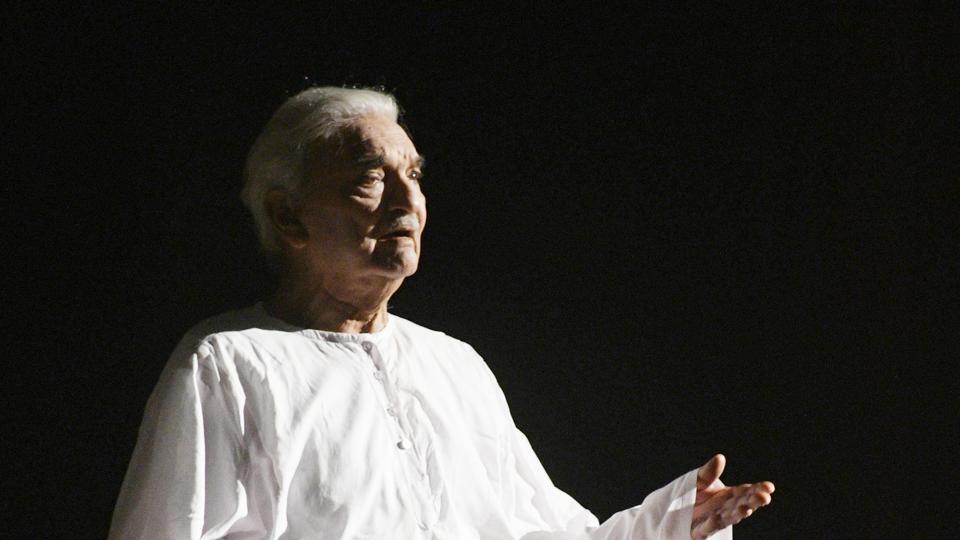
The play depicted him not as Vasily from Chekhov’s classic, crushed under the weight of age, searching for a final performance within his insecurities. Instead, Rastogi was shown finding a beginning through humility, dedication and love for his craft.
The play depicted the 82-year-old scientist-turned-actor’s untold stories, silent struggles, patience and philosophy of his life which continues to burn like a flame. The play, directed by Mumbai-based Lucknowite Muskan Goswami, also wove some instances of plays staged by Rastogi in the past. They included Shakespeare’s “Hamlet”, “Othello” and “King Lear” apart from “Panchi Ja Panchi Aa”, “Daddy” and others. Rastogi has over six decades of experience of theatre.
Throughout the performance, he tried depicting a dialogue between the past and the present. The play chronicles his life journey as a scientist and an actor from the lens of an old man who is suffering from dementia.
What he is, however, reminded of is about his distinguished past as a scientist (research on parasitic diseases at CDRI, Fellowship of the National Academy of Sciences) and the journey of a theatre artiste. With a cake marked with the number 100, flickering candles and scattered costumes, he moves between illusions and laughter, awards and disappointments.
Memories of his mother, father, and brother; the companionship of his wife, son, and grandchild; and the support of CDRI and the Darpan Theatre Group lift him out of loneliness and lead him towards the celebration of his 100th play. His shadow, performed by Ambrish Bobby, created an intense visual and sensory experience on the stage. In the end, “Jo Beet Gayi So Baat Gayi” is sung, offering a message of life’s continuity, the immortality of art, and the power of passion.


