
 E-Paper



Kaziranga - the amazing world of rhinos and much more
AH Khan, IFS (retd), has compiled 31 years of his experience in Assam in a book, discussing the increase in rhino population and other issues in Kaziranga National Park

 Prefer HTon Google


LUCKNOW Spread over a 430 sq km area on one side of river Brahmaputra, Unesco world heritage site - Kaziranga National Park (KNP) in Assam - has more to offer than just its one-horned rhinos and tigers. Apart from swamps and nearly 150 water bodies, the park is also home to various flowers such as roses and orchids, elephants, tortoises, and birds coming from different nations, said Akhter Hussain Khan, 69, Indian Forest Service, (retd) who spent 31 years in Assam during his tenure.
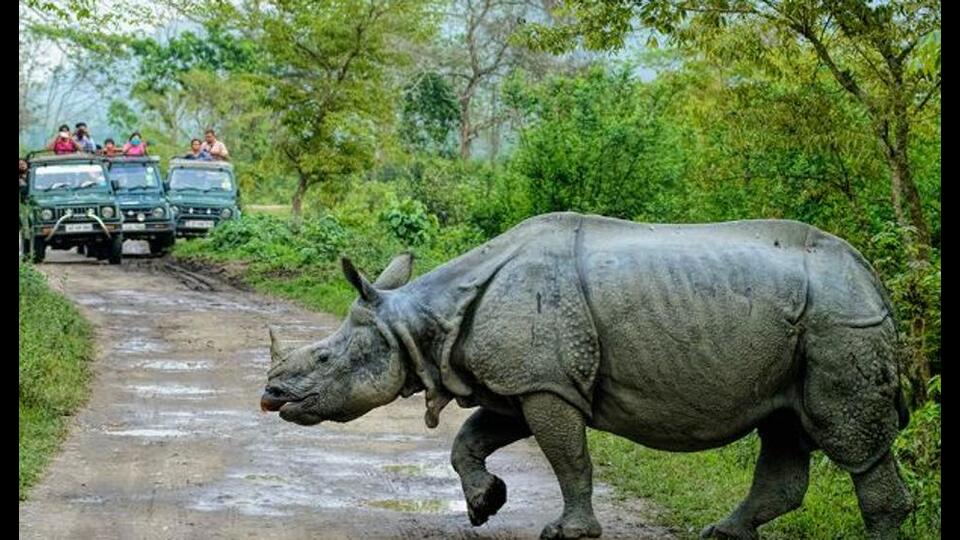
KNP is a protected site and very few people have been able to visit the entire park. Being a forest officer, it was easier for Khan to closely observe the flora and fauna among many other things there that have now come up in the form of a book titled ‘Kaziranga - The Amazing World of Rhinos’, which is to be released in Lucknow on Saturday (April 29).
“Right now, you are carrying my heart in your hand,” said the book’s prologue, which included pictures captured from Khan’s lens over the years, data and his most precious recollections spanning 31 years.
BABY RHINOS PRONE TO TIGER ATTACKS
“Rhinos are over protective about their children as they are highly prone to tiger attacks due to their soft skin. They carry them everywhere till the time they attain an age of 3-4 years, after which their skin becomes hard making them a tough target for the tigers,” said Khan.
He said KNP is much more than what people think about it - it has a large expanse of vegetation that tourists often ignore while craving to see wild animals.
20 TO OVER 2,000 RHINOS
It is said that when Mary Curzon, wife of the Viceroy of the then British India - Lord Curzon - visited the park to witness Indian one-horned rhinoceros, she couldn’t witness even one. She urged her husband to take immediate action to protect the dwindling species, which he did by initiating a plan for their protection. As a result, Kaziranga Proposed Reserve Forest was established in 1908.
Informing why rhinos’ numbers had gone down then, Khan informed that their hunting was treated as a sport by the Britishers. “However, thanks to the Wildlife Protection Act, 1972 that provided for the protection of wild animals, birds and plants,” he said.
The other steps included the Assam (Rhinoceros) Bill passed by the Assam government in 1954, which imposed harsh penalties for rhinoceros poaching. The Assam National Park Act, 1968, established Kaziranga as a designated national park while Unesco declared it as a world heritage site in 1985.
“As per the census conducted by the forest department of the Assam government, rhino population increased considerably from 366 in 1966 to 2,413 in 2018. The park is home to two-thirds of the world’s Indian rhinos. Several years back, their population was as low as 20, the data of which is not available,” he added.
ILLEGAL HORN TRADING
Tigers can’t attack rhinos as they have a horn which they use as defence when attacked. According to Khan, one of the motivations for rhino poaching was the illegal trafficking of rhino horn, which is worth US$ 6,000 per hundred grams. “A single horn typically weighs around 3 kg and costs around ₹2 lakh in the Indian market. However, the illegal trade has gone down to zero due to increased surveillance in the area and locals being provided with jobs as well,” said Khan.
AH Khan shared his experience of World Rhino Day 2021, when the government burned down the world’s largest stockpile of rhino horns seized from poachers and illegal traders in Assam’s Bokakhat to discourage people from illegal horn trade.
TOUGH TERRAIN
There are approximately 500 forest guards and 79 anti-poaching camps in KNP. They live amid tough terrain and cook for themselves with hardly any people around, said Khan who retired in 2014 as additional principal chief conservator of forests.


