
 E-Paper



H3N2 Influenza: State readies hospitals, diagnostic facilities
All chief medical officers have been asked to convene a meeting of all diagnostic facilities (both government and private) and ask them to report influenza cases on the IHIP portal, daily

 Prefer HTon Google


Uttar Pradesh on Monday issued guidelines for the daily reporting of H3N2 Influenza cases by hospitals and diagnostic centres.
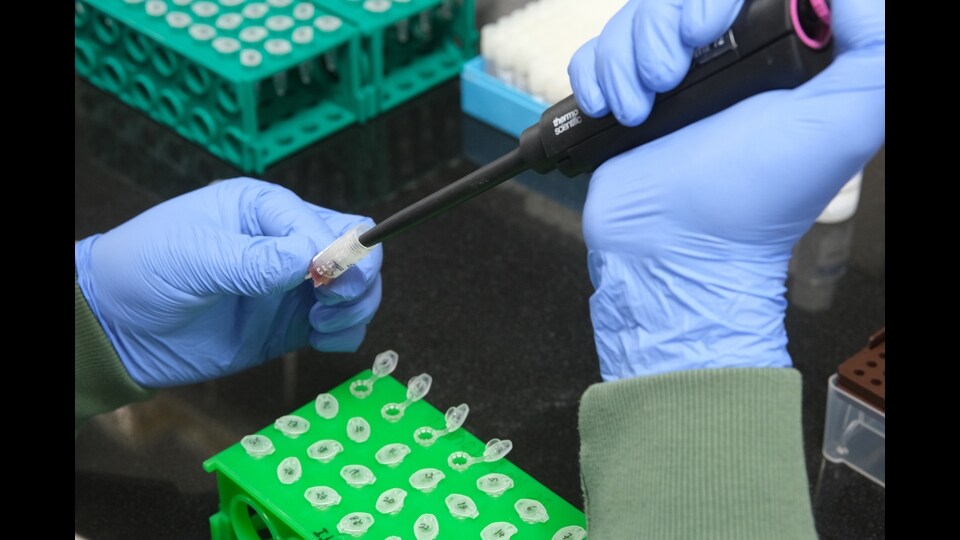
“Patients with influenza like illness (ILI) and severe acute respiratory illness (SARI) must be identified. Samples taken from suspected cases should be tested for ILI, SARI and adenoviruses; reports must be uploaded on the integrated health information platform (IHIP),” the guidelines issued by director general-medical health Dr Lilly Singh on Monday read.
The document has been shared with additional directors, chief medical officers and superintendents/directors of all government hospitals. Chief medical officers of all districts have been asked to convene a meeting of all diagnostic facilities (both government and private) and ask them to report cases on the IHIP portal, daily.
CMOs were also instructed to share the seasonal influenza guideline/handbook, “Clinical management protocol for seasonal influenza”, with all hospitals, and community and primary health centres.
“Community health officers (CHOs), ANMs and ASHA workers should also be provided this handbook,” said Dr Lilly Singh. “People should also be made aware about the symptoms of the disease and treatment available,” added Dr Singh.
In Uttar Pradesh, the facility to test samples for influenza like illness is available at King George’s Medical University.
According to the guidelines, patients who need hospital admission must be kept in isolated and well-ventilated rooms/wards.
Doctors say there is no need for panic as seasonal influenza is self-limiting.
Explaining significance of the daily reporting of cases, Dr Abhishek Shukla, secretary general of the Association of International Doctors, said, “Daily monitoring helps to know if a particular area/block/district is getting more cases. Based on this information, additional support can be planned for that area.”
Who is vulnerable to influenza infection
The government of India has said that since January this year 25.4% samples tested in labs were positive for adenoviruses. Infant, children, pregnant women, people above 65-years-of-age are vulnerable to influenza infection. Also, those with pulmonary, cardiovascular conditions, those with renal dysfunction and immunosuppressed people are vulnerable, read the guideline issued by the DG of medical health.
State reports 3 new Covid cases
The guidelines also instructed officials to also keep count of Covid cases in the state. At present, there are 31 active Covid cases, including three new cases, in the state.


