
 E-Paper



Mining lease holders adopt 42 govt cow shelters in U.P.’s Prayagraj
Prayagraj district magistrate Sanjay Kumar Khatri said those who had adopted these cow shelters were doing good work


Responding to an appeal of the district administration, select mining lease holders have adopted 42 government-run cow shelters in Prayagraj in the last one month and have begun looking after around 8,000 stray cows housed in them.
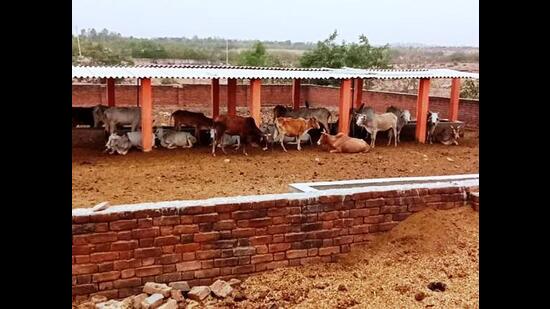
As per the district administration officials, in each of these 42 adopted cow shelters, four types of sheds are being constructed by the mining lease holders. They include one big one for the cows, another smaller one for the sick cows and a third one for calves and fourth for the staff attending to them.
Confirming the development, Prayagraj district magistrate Sanjay Kumar Khatri said those who had adopted these cow shelters were doing good work. “Sheds in most of the adopted cow shelters are either complete or nearing completion. Based on the results, we are also holding talks with others, including NGOs, to adopt other cow shelters and lend a helping hand in this noble work that is a priority for the state government,” he added.
“There are 179 cow shelters functioning in the district as of now. Of them, three are permanent and the remaining 176 are temporary. The permanent cow shelters have the capacity to accommodate around 1000 cows. In all, a total of 18,800 cows are living in these 179 ‘gaushalas’ while the 42 adopted temporary cow shelters as part of the district administration’s efforts house around 8,000 rescued cows,” said chief veterinary officer (CVO), Prayagraj, Dr RP Rai.
A mining lease holder who has adopted a cow shelter at Shankargarh said among the works done included levelling the ground, construction of a boundary wall to protect the cows from wild animals, construction of proper drains and sheds.
“Initially, we were uncertain as we lacked the experience to look after the cows. However, by hiring experienced hands we have been able to ensure that better care and facilities are extended to the cows who hold a special place in our religion and culture,” he added.
He further said while around 50% of the fodder for the cows was arranged by them, the remaining came with the support of locals who too were keen to serve the needy cows.


