E-Paper



NHAI warns toll operators after complaints, assault on jawan
Following attack on armyman in Meerut, NHAI imposed ₹20 lakh penalty on the agency operating Bhuni toll plaza, terminated its contract

 Prefer HTon Google


: After a spate of complaints about unruly behaviour by toll plaza staff, including the recent assault on an army jawan in Meerut, the National Highways Authority of India (NHAI) has come down heavily on toll operators and warned that any future violations will attract strict punitive action, including penalties, contract termination and blacklisting.
In a letter to the managing directors of all toll collection agencies on Friday (August 22), NHAI chief general manager (CO) Abdul Basit said it had been receiving regular complaints for the last one to two months about misbehaviour by toll staff with road users, Members of Parliament, MLAs and even defence personnel, which is tarnishing the image of NHAI and the government in the public domain.
“Such incidents must not be repeated in future. Strong action will be taken against any employee indulging in such behaviour,” the authority warned.
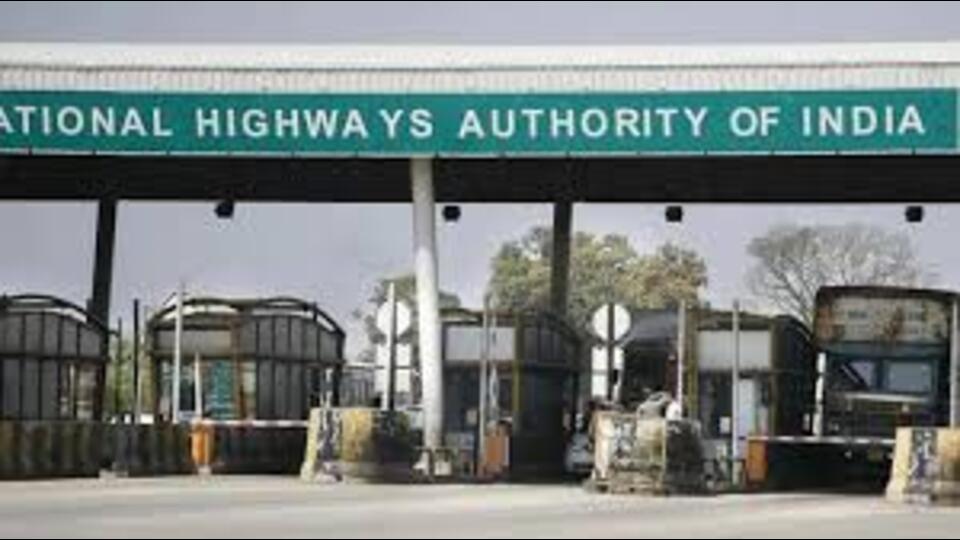
The directive follows a serious incident on August 17 at Bhuni Toll Plaza in Meerut where toll employees allegedly misbehaved with and assaulted an armyman. The altercation led to injuries on both sides and triggered violent retaliation from local villagers, who damaged toll infrastructure and forced a stoppage of toll collection, resulting in revenue loss.
Taking a tough stance, NHAI imposed a financial penalty of ₹20 lakh on the agency operating the Bhuni Toll Plaza, terminated its contract and debarred it from participating in any NHAI project for one year. The agency’s performance security worth ₹3.66 crore has also been encashed.
NHAI has reminded operators of Clause 13(e) of the standard contract agreement, which mandates that contractor-deployed personnel “shall not misconduct/misbehave with members of the public and shall observe strict discipline and decency in their behaviour.”
The authority has also recalled that training programmes were already held in December 2024 on “Enhancing Customer Interaction and Communication Skills at Toll Plazas,” underscoring the importance of courtesy and professionalism.
Making it clear that the Bhuni action will serve as a precedent, NHAI said that similar measures will be taken in all future cases of misconduct. It has directed toll agencies to ensure only authorised staff in uniform are deployed at plazas and to provide regular training on handling the public and elected representatives with politeness and decency.
Basit told HT that for the last one-two months, the NHAI had been receiving regular news through print, electronic and social media about unruly behaviour of toll plaza staff from various parts, tarnishing the image NHAI/government in public domain.
“Now, we have written a letter to all toll plaza managers, warning them of very tough action if such complaints are received in future,” he said.