
 E-Paper



PM should take action against BJP leaders in Gujarat govt, says AIPMM president
Release of 11 convicts contradicts the PM’s call to gain support of the Pasmanda Muslims, the backward and Dalit section among Muslims, says Ali Anwar Ansari

 Prefer HTon Google


LUCKNOW All-India Pasmanda Muslim Mahaj (AIPMM) president Ali Anwar Ansari on Friday said if the Prime Minister is concerned about the welfare and dignity of Pasmanda Muslims, he should take action against BJP leaders in the Gujarat government who ordered release of 11 convicts serving life imprisonment in the Bilkis Bano gang-rape case.
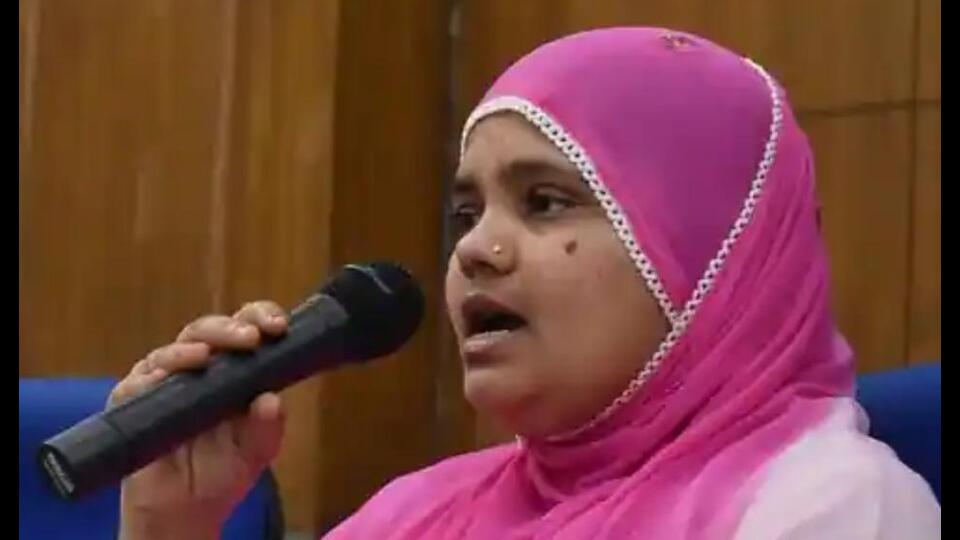
“The release of the convicts contradicts the PM’s call to gain support of the Pasmanda Muslims, the backward and Dalit section among Muslims who are economically and socially deprived. The programme organised to welcome the convicts after they walked out of jail has damaged the country’s image and hurt secular credentials as well,” he said addressing a press conference here.
The family members of Bilkis Bano as well as members of the Muslim community are living in terror in Gujarat, he added.
“Addressing the BJP national executive meeting in July first week, the Prime Minister had told BJP leaders to take out ‘sneh yatra’ under the Pasmanda outreach programme. If he is concerned about the welfare of Pasmanda Muslims, he should take action against the party leaders in Gujarat government who ordered release of the convicts,” said Ansari.
The Pasmanda Muslim Mahaj has shot off a letter to the Prime Minister, demanding check on hate speeches, discrimination against the Muslim community and having rule of law in the country. “The BJP government talks of empowerment of women and at the same time commits atrocities on hapless woman - Bilkis Bano,” he said.
A faculty in Lucknow University, Professor Ravikant, said the decision to release the convicts was taken by the Gujarat government in view of the coming assembly election.
Retired IAS officer, Anis Ansari said the BJP is working on the politics of polarization by targeting members of the Muslim community. The grant of remission by the Gujarat government to 11 convicts in Bilkis Bano gang-rape case was against the policy of 2014 that bars the release of a person convicted for murder or rape, he said.
Social activist Sandeep Pandey said the case is a perfect example of the Gujarat model under which the accused are out of jail while victims are imprisoned.
All 11 life imprisonment convicts in the 2002 Bilkis Bano gang-rape case recently walked out of the Godhra sub-jail under the Gujarat government’s remission policy.
On January 21, 2008, a special CBI court in Mumbai had sentenced the 11 accused to life imprisonment on the charge of gang-rape and murder of seven members of Bilkis Bano’s family. These convicts had served more than 15 years in jail, after which one of them approached the Supreme Court with a plea for his premature release.
The Supreme Court had directed the Gujarat government to look into the issue of remission of his sentence following which the government formed a committee, said Panchmahals collector Sujal Mayatra, who headed the panel.
Bano was 21 years old and five months pregnant when she was sexually assaulted in Randhikpur village near Ahmedabad on March 3, 2002, while fleeing the violence that broke out in the aftermath of the Sabarmati train incident in Godhra. Her three children were also killed during the anti-Muslim riots.


