E-Paper



Power deficit in Uttar Pradesh lowest among big states: NLDC report
On the other hand, Uttar Pradesh records highest demand after Maharashtra, according to the National Load Dispatch Centre report

 Prefer HTon Google


The power deficit in Uttar Pradesh is the lowest among big states, despite it recording the highest demand after Maharashtra, the daily power supply report available with the National Load Dispatch Centre (NLDC) indicates.
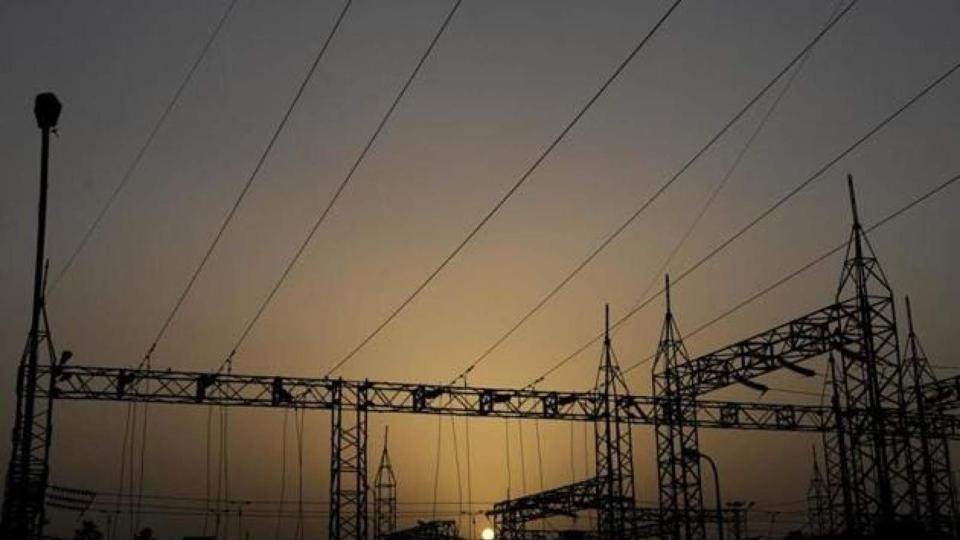
This is the situation even though Uttar Pradesh is among less than a dozen states that have been experiencing energy shortfalls resulting in load shedding in varying degrees for the last one month.
Besides Uttar Pradesh, other states that experienced peak demand-supply gap on May 6 are Uttarakhand, Haryana, Rajasthan, Jammu and Kashmir (Union Territory), Madhya Pradesh, Bihar, Jharkhand and Assam. The situation was the worst in the neighbouring Rajasthan.
As per the report, the energy shortage in Uttar Pradesh on May 6 was only 0.39%, which was the lowest among the big states but a little higher than in Uttarakhand (0.06%) and Assam (0.10%). At 12.57%, the deficit was highest in Rajasthan followed by Madhya Pradesh (7.73%), J& K (1.26%), Bihar (0.64%), Jharkhand (0.61%) and Haryana (0.47%).
“Not only the energy shortage in Uttar Pradesh continues to be lower than many other states, but we have been consistently able to keep district headquarters and bigger cities free from rostering even when the crisis was worse till a few days ago,” UP Power Corporation Ltd (UPPCL) chairman M Devraj said.
He further said that all efforts were being made to ensure that local faults were fixed in the minimum possible time to avoid unnecessary power cuts in the affected areas.
The NLDC report also shows that the peak electricity demand in Uttar Pradesh was recorded to be 22,271 MW (megawatt) the same day and it was the second highest in the country after Maharashtra where the demand was 26,947 MW. At 20,630 MW, the power demand was the third highest in Gujarat. In Rajasthan where the energy shortfall was the highest, the demand was recorded to be only 14,343 MW. It was 12,371 MW in Madhya Pradesh.
Another report sourced from the State Load Dispatch Centre (SLDC) here said that other than villages that were provided power for 17.50 hours against their entitlement for 18 hours on May 6, consumers under all other categories got power supply as per the roster with no extra rostering.
Tehsil headquarters and Bundelkhand received power for 21.30 hours and 20 hours, respectively, while district headquarters, divisional headquarters, mahanagars (metro cities) and industries all got supply for 24 hours on May 6. The report, however, does not mention the load shedding that people might have been put to due to the recurrent local faults all over the state.
“Currently, the situation is quite different from what it was only till a week ago when villages and semi-urban towns faced load shedding from 5-10 hours every day,” a UPPCL official said.
“Much of the relief is due to the load crash after the change in weather following storm and showers in various parts of the state,” the official added.
The situation in the state, he warned, may turn grim again considering the fact coal availability in the thermal plants continued to dip despite all the efforts even as the power demand was bound to soar once again.