E-Paper



Uttar Pradesh to go ahead with mandatory audit of all waqf properties
Uttar Pradesh minister Danish Azad Ansari says he suspects embezzlement of ₹1100 crore in annual revenue of Waqf Board

 Prefer HTon Google


Stating that he suspected embezzlement of around ₹1100 crore in the annual revenue of the Waqf Board, Uttar Pradesh minister of state for minority welfare, Muslim waqf and Haj Danish Azad Ansari has said it will be verified through mandatory audit.
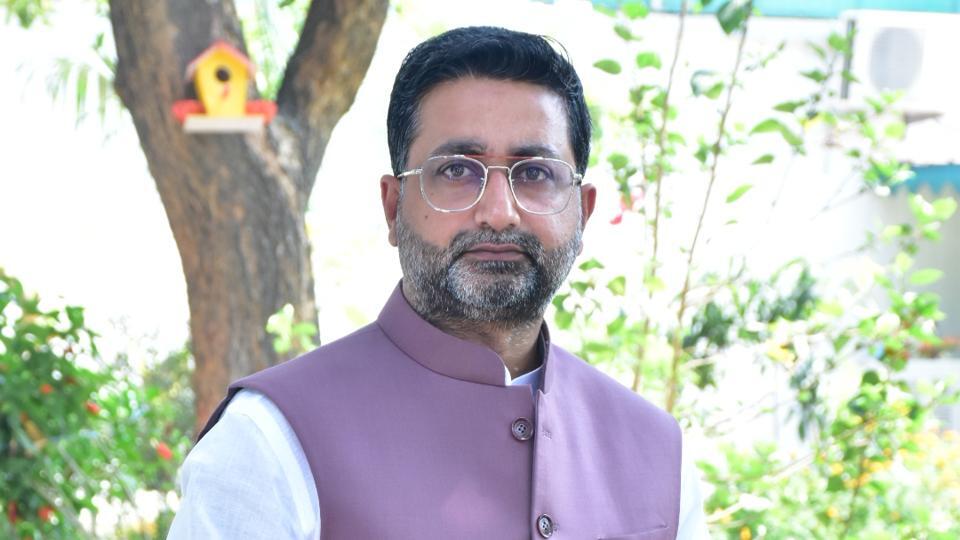
Speaking to HT at his official residence, Ansari expressed happiness over Waqf Amendment Bill being passed by the Lok Sabha and said that it will be a milestone in the welfare of Muslims and those opposing the Bill were doing it for their vested interests.
Ansari said that the Waqf Amendment Bill will bring in more transparency by making audit of the Waqf properties mandatory and curb any corrupt practices.
“The Waqf Amendment Act is a crucial step for changing India by the Narendra Modi government. This is not the first amendment by any government, in 1954,1995 and in 2013 also, there were amendments. Muslims should not think that this amendment is the first of its kind. The Waqf Board is an administrative body and not a religious body as considered by many. The constitution of the Waqf Board is done by the state government and in different districts, district magistrates have been looking after the work of Waqf. This is also nothing new,” the minister said.
“Our focus is to implement all the rules and regulations and most of them were available previously also. There was a provision for auditing as well, but it was not done. Now, audit has been made mandatory after the new amendment. The approximate value of around 1.25 lakh Waqf properties in the country stands at around ₹1.25 lakh crore which should generate an annual revenue of ₹1200 crore. However, at the moment there is only ₹150 crore of annual revenue that Waqf Board is generating. The gap of around ₹1100 crore, where is this money going? If this ₹1100 crore was coming to the Waqf Board every year, then 800 school/colleges would have opened which, in turn, would have helped the poor Muslims. Around 200 hospitals would have opened, which again would have helped the poor, also many skill development centres would have been opened. I can smell embezzlement of ₹1100 crore every year through Waqf Board,” Ansari said.
“The fight is between ‘special’ vs ‘common’ Muslim. Those opposing the Bill are doing it for their vested interest, they have nothing to do with the welfare of backward Muslims,” Ansari added.
Earlier, as per information provided by principal secretary, Revenue, P Guruprasad, only around 4,000 of the 132,000 properties claimed as Waqf assets in Uttar Pradesh qualified under guidelines fixed by the state government, with the rest being public properties that belong to or are controlled by the government. Guruprasad had given this information while speaking exclusively to HT in the report, ‘UP’s claim on Waqf properties puts contentious clause under spotlight’ (February 8).
The number was arrived at after an eight-month long exercise by the revenue department across the state in which land records were examined post the abolishment of Zamindari system in 1952 under the UP Zamindari Abolition and Land Reforms Rules.
“During the examination of the land records, it was found that majority of the properties claimed as Waqf actually belonged to gram samaj (village communities). The exercise to reclaim the government land is nearing completion,” P Guruprasad had stated.
Meanwhile, reacting to Ansari’s statement, All India Shia Personal Law Board general secretary Maulana Yasoob Abbas said, “If there was already a provision for audit and there was a doubt of embezzlement, then why didn’t the government got the Audit done? Instead of getting the audit done, introducing amendment to the Waqf Act is not justified. The way this amendment bill has been passes by the Lok Sabha, Muslims have no option but to take the legal route.”