
 E-Paper



At 319 AQI, city continues to reel under hazardous pollution levels
Six out of nine System of Air Quality Forecasting and Research (SAFAR) monitors in the city saw an AQI value in excess of 300, while two saw ‘poor’ air with index values exceeding 200. Only Worli saw ‘moderate’ pollution levels with an AQI of 186


Mumbai: For the second consecutive day, the city’s air pollution levels remain in the ‘very poor’ category at 319. This was up from an AQI of 306 on Thursday.
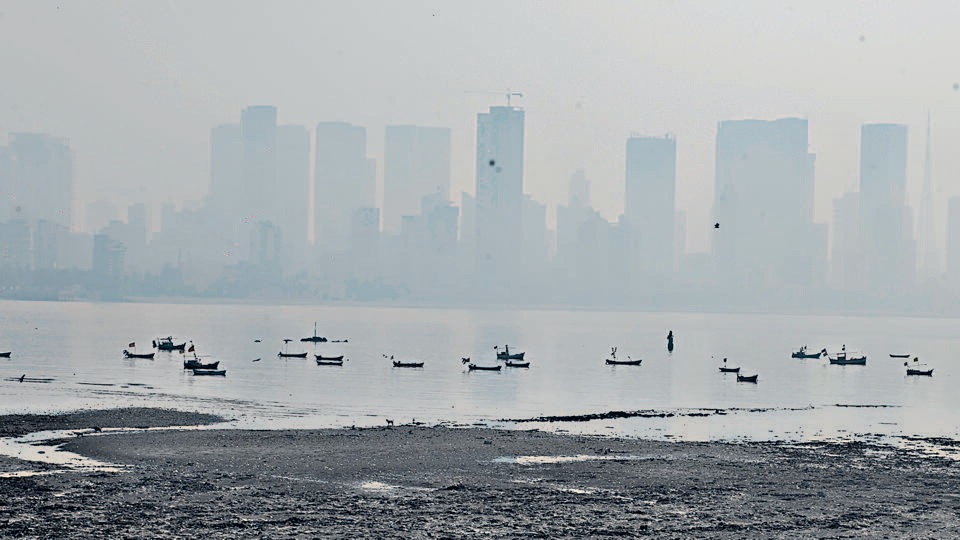
Six out of nine System of Air Quality Forecasting and Research (SAFAR) monitors in the city saw an AQI value in excess of 300, while two saw ‘poor’ air with index values exceeding 200. Only Worli saw ‘moderate’ pollution levels with an AQI of 186.
According to SAFAR, AQI in the very poor category triggers health alerts, everyone may experience health effects and a significant increase in respiratory problems. The SAFAR health advisory for the ‘very poor’ category read that those suffering from heart or lung disease should reduce heavy exertion.
Ronak Sutaria, founder of Respirer Living Sciences, which operates an independent network of 1,000 air quality monitors across the country, said, “The air quality trend we have been seeing in Mumbai is concerning. Twenty out of twenty-one officials ambient air quality monitors in the city, including those operated by IIT-M and the MPCB, show increasing levels of particulate matter. In some locations, the concentrations have increased twofold since early December, and are well beyond the safe threshold prescribed by the CPCB.”
The prevailing pollution levels are due to a slowing down of wind speeds, which is typical for the winter season. “Over the last two months, there have been unprecedented changes in the weather scenario. Owing to the phenomenon of La Nina (cold ocean temperatures in the Equatorial Pacific), India has been experiencing and will continue to experience more than unusual cooler and extended winters. In addition to this, the western part of India is influenced by the warming of the Mediterranean Sea. As a result, there are more than unusual calm winds across the Mumbai region and surrounding parts of western India. This has ensured that the dispersion of air pollutants being emitted from pollution-related activities does not happen swiftly despite Mumbai being surrounded by the ocean,” said Gufran Beig, project director, SAFAR.
Beig also cautioned that “these changes are being witnessed and can be associated with the impacts of climate change, and such high pollution events are only expected to increase for Mumbai in coming years.”
Stay updated with all the Breaking News and Latest News from Mumbai. Click here for comprehensive coverage of top Cities including Bengaluru, Delhi, Hyderabad, and more across India along with Stay informed on the latest happenings in World News.


