
 E-Paper



Authorities crack down on pharma firms amid ban on addictive opioids
Officials inspected National Pharmaceuticals and Maxwell Life Sciences, both of which produce Tapentadol and Carisoprodol. The move is part of a broader effort to curb the illegal export of these drugs after evidence emerged of their misuse in countries such as Nigeria, Ghana, and Ivory Coast


Mumbai: Two days after the government imposed a ban on the manufacture and export of two highly addictive opioids—Tapentadol and Carisoprodol—the Maharashtra Food and Drugs Administration (FDA), along with the Central Drugs Standard Control Organisation (CDSCO), conducted inspections at two pharmaceutical companies in Boisar on Tuesday. The crackdown follows a BBC exposé that linked the drugs to a growing opioid crisis in West Africa.
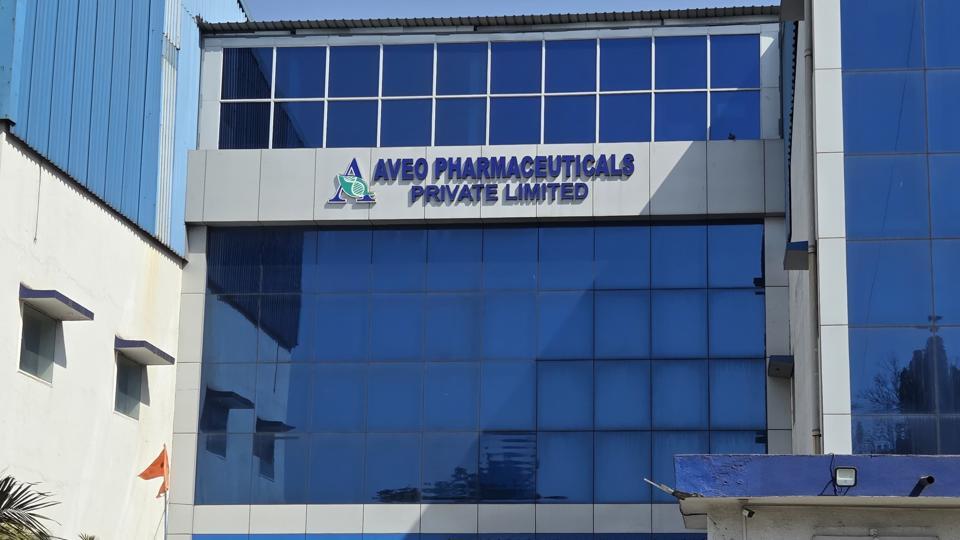
Officials inspected National Pharmaceuticals and Maxwell Life Sciences, both of which produce Tapentadol and Carisoprodol. The move is part of a broader effort to curb the illegal export of these drugs after evidence emerged of their misuse in countries such as Nigeria, Ghana, and Ivory Coast.
The government’s action was prompted by the BBC documentary India’s Opioid Kings, which exposed the illicit trade of these substances. The documentary featured a secretly recorded confession by Vinod Kumar Sharma, managing director of Mumbai-based Aveo Pharmaceuticals, who admitted that his company’s combination drug, ‘Tafrodol’ (a mix of Tapentadol and Carisoprodol), was both harmful and profitable. Following the revelations, authorities initiated stringent measures to curb the export and production of these drugs.
Regulatory crackdown
On February 21-22, a joint team from the CDSCO and Maharashtra FDA conducted a thorough audit of Aveo Pharmaceuticals. Subsequently, the FDA issued a Stop Production Order to the company on February 22, effectively halting the manufacture of Tapentadol and Carisoprodol in any form.
During the inspection, officials seized approximately 13 million tablets and capsules, along with 26 batches of Active Pharmaceutical Ingredients (APIs) containing the banned substances. Additionally, an export consignment of Tapentadol 125 mg and Carisoprodol 100 mg, destined for Ghana, was intercepted at Mumbai Air Cargo and placed on hold pending further investigation.
A senior FDA official stated that during the recent inspections at National Pharmaceuticals and Maxwell Life Sciences, authorities reviewed stock records, account books, and scheduled exports. “All the companies we have inspected so far possess valid permits and licenses. However, we are prohibiting the usage of already produced stocks,” the official said.
Interestingly, another FDA source noted that while Tapentadol and Carisoprodol are individually approved by the CDSCO in India, their combination is not permitted. “The drugs are similar to other synthetic painkillers and do not technically fall under opioid classification. However, they are not prescribed in India, and their export in combination form has been stopped,” the official added.
Health ministry’s response
The Union Health Ministry has assured swift and decisive action in response to the BBC revelations. According to a statement released by the Press Information Bureau (PIB) on Sunday, the ministry confirmed that unapproved combination drugs containing Tapentadol and Carisoprodol were being exported to West Africa by Indian pharmaceutical companies, prompting an immediate government intervention.

Stay updated with all the Breaking News and Latest News from Mumbai. Click here for comprehensive coverage of top Cities including Bengaluru, Delhi, Hyderabad, and more across India along with Stay informed on the latest happenings in World News.


