
 E-Paper



Delay in fellowships pushes research scholars in science and tech institutes into debt
CSIR, the apex body that runs the fellowships programme for both junior and senior researchers in science and technology institutes, said the delay in disbursements was a matter of concern.


It has been four months since Kishalay Ghosh, 26, from Hooghly in West Bengal, joined as a research scholar at a research institute funded by the Council of Scientific and Industrial Research (CSIR), but is yet to receive his fellowship.
Ghosh joined the Tata Memorial Centre Advanced Centre for Treatment, Research and Education in Cancer (ACTREC) in Kharghar on November 2, 2020. Since then, he has been forced to borrow money from friends and family to meet expenses in the absence of his eligible fellowship dues.
Ghosh, like many research scholars, is eligible for the junior research fellowship (JRF) programme of the CSIR which pays over ₹38,000 including housing allowance. “I am up to my eyes in debt. There’s hardly any friend left from whom I haven’t borrowed any money. My father is the only other earning member in the family and he is close to retirement,” said Ghosh. Living in a rented accommodation, his expenses amount to almost ₹12,000 a month.
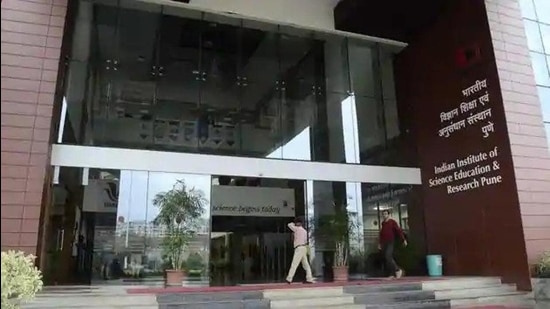
Ghosh’s plight is shared by many research scholars in CSIR-funded institutes across the state who said the disbursal of fellowship amounts was irregular. “The fellowships are an incentive for researchers. But since they are irregular, most of us live in debt. Even when the funds are disbursed, they are spent on paying back loans,” said a JRF scholar at Indian Institute of Science Education and Research, Pune.
CSIR, the apex body that runs the fellowships programme for both junior and senior researchers in science and technology institutes, said the delay in disbursements was a matter of concern.
“We at CSIR cannot avoid taking the responsibility of delay in fellowship disbursal. Payments are released only after attendance and claim are certified by the host Institute, which often has a delay rate of two to four months. During the pandemic it went up to four to seven months as well,” said A Chakraborty, head, Human Resource Development Group-CSIR, which handles fellowships.
In Ghosh’s case, his fellowship is yet to be activated by CSIR. The host institute took 2.5 months to send his papers and CSIR was responsible for another delay of 1.5 months, said Chakraborty.
CSIR releases funds directly into the bank accounts of research scholars in its 703 host institutes. However, funds are released only after receiving approved bills from host institutes.
Annually, CSIR spends over ₹500 crore annually towards fellowship schemes. The fellowship schemes provide financial support to scholars for a maximum of 60 months (5 years) for pursuing research work. Every year around 2,500 scholars join various institutes for PhD programmes and around 1,500 complete their term.
“We are concerned with the delay and would like to urge scholars to cooperate in sending timely bills from their institutes. For example, for the month of February, only 28 of the 703 institutes have submitted their claim bills on the due date which is 5th of every month,” said Chakraborty.
CSIR is currently in the process of building an online fellowship management portal that grants full access to scholars about the status of their fellowship. The portal is likely to be released in three months, said Chakraborty.
Stay updated with all the Breaking News and Latest News from Mumbai. Click here for comprehensive coverage of top Cities including Bengaluru, Delhi, Hyderabad, and more across India along with Stay informed on the latest happenings in World News.


