
 E-Paper



Govt to translate social reformer Jyotiba Phule’s books for Urdu readers
In a move to take Phule’s writings beyond the Marathi literary world, the government-established cultural body is set to translate two of his most significant books, ‘Gulamgiri’ (Slavery) and ‘Shetkaryacha Asud’ (The Farmer’s Whip), into Urdu

 Prefer HTon Google


MUMBAI: The thoughts of Jyotiba Phule, the iconic social reformer who waged a war against caste discrimination and worked for women’s education and social equality, are set to reach a wider Urdu-speaking audience in Maharashtra courtesy the Maharashtra State Urdu Literature Academy.
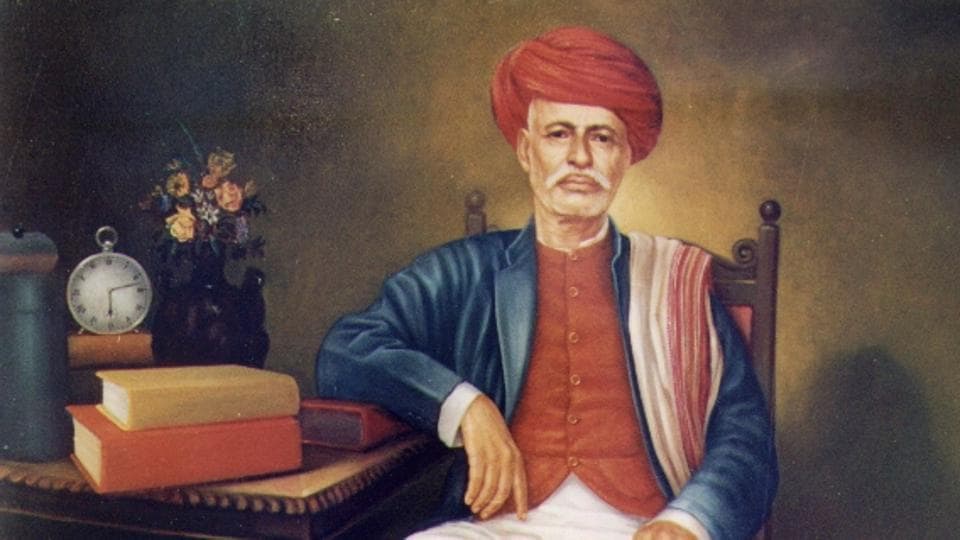
In a move to take Phule’s writings beyond the Marathi literary world, the government-established cultural body is set to translate two of his most significant books, ‘Gulamgiri’ (Slavery) and ‘Shetkaryacha Asud’ (The Farmer’s Whip), into Urdu and publish them before his 200th birth anniversary on April 11, 2027. The initiative, being undertaken at a cost of ₹25 lakh, is expected to introduce Urdu-medium students and readers to Phule’s views on caste discrimination, the exploitation of farmers and the importance of education.
For many Urdu-speaking readers, the translation will offer an opportunity to understand the work of one of Maharashtra’s most influential social reformers in their own language. While some of Phule’s literature is already available in Urdu, readers and educationists said the new initiative would help take his ideas to a much wider audience, particularly students and young people.
Published in 1873, ‘Gulamgiri’ is one of Phule’s most important works in which he questioned the caste system and the social practices that kept marginalised communities away from education and equal rights. In ‘Shetkaryacha Asud’, published in 1881, he wrote about the poverty and hardship faced by farming communities and questioned their exploitation by landlords and the administration.
Urdu author and poet Naushad Usman said the initiative could help bridge the gap between Urdu readers and the Bahujan (marginalised communities) literary movement. “The Maharashtra government has taken the extremely commendable step of translating these two books by Mahatma Jyotiba Phule into Urdu,” he said, adding, however, that while there was a “huge shortage” of such literature in Urdu, it was not completely absent.
“For instance, Advocate Ghaziyuddin Syed from Solapur had earlier written books in Urdu on the life and contributions of Jyotiba Phule, Dr Babasaheb Ambedkar and Shahu Maharaj,” he said. “He also translated Govind Pansare’s book ‘Shivaji Kon Hota?’ into Urdu. “After reading these books, Urdu-speaking readers truly understood Maharashtra.”
Usman said that two communities would get connected through Phule’s two books. “A large section of Urdu readers is still far from the Bahujan literary world,” he said. “Making such literature available in Urdu will help readers understand the social reform movements and history of Maharashtra.”
Sajid Nisar Ahmed, founder of the Akhil Bharatiya Urdu Shikshak Sangh, said the initiative would be particularly useful for Urdu-medium students. “Some of Mahatma Phule’s literature is already available in Urdu,” he said. “However, this initiative will help increase its reach among students and parents and create awareness about his thoughts among children. Urdu schools and teachers are ready to take part in these activities.”
The translations are part of a larger programme planned by the minority development department to introduce Phule’s work to minority communities. Madrasas covered under the Dr Zakir Hussain Madrasa Modernisation Scheme will organise a ‘Mahatma Phule Educational Week’, featuring science, mathematics and reading competitions. ₹40 lakh has been allocated for these activities.
The government will also establish ‘Mahatma Phule Book Corners’ in minority students’ hostels, where books in Marathi, Urdu and Hindi will be made available. The facilities are expected to be started by November 30, with an allocation of ₹30 lakh.
Short videos and reels on Phule’s life and work will also be produced and shared on social media. In addition, essay and elocution competitions on the theme of ‘Satyashodhak Vichar’ will be organised across 36 districts between November 23 and 27. The winners will be felicitated on April 11.
“With a total allocation of ₹1.11 crore for the various activities, the government aims to take Phule’s message beyond language barriers and introduce his ideas of equality, education and social justice to a new generation of readers,” reads the Government Resolution.

Stay updated with all the Breaking News and Latest News from Mumbai. Click here for comprehensive coverage of top Cities including Bengaluru, Delhi, Hyderabad, and more across India along with Stay informed on the latest happenings in World News.


