E-Paper


After fire safety audits, UPRVUNL takes corrective steps at 6 thermal power plants
The audits, conducted by the National Safety Council Mumbai, in June and July this year, made 165 observations covering critical installations

 Prefer HTon Google


In a move to strengthen industrial safety at its thermal power stations, the Uttar Pradesh Rajya Vidyut Utpadan Nigam Limited (UPRVUNL) has initiated corrective measures following independent fire safety audits of all its six power plants. These measures include upgraded firefighting systems, round-the-clock fire response and enhanced worker protection.
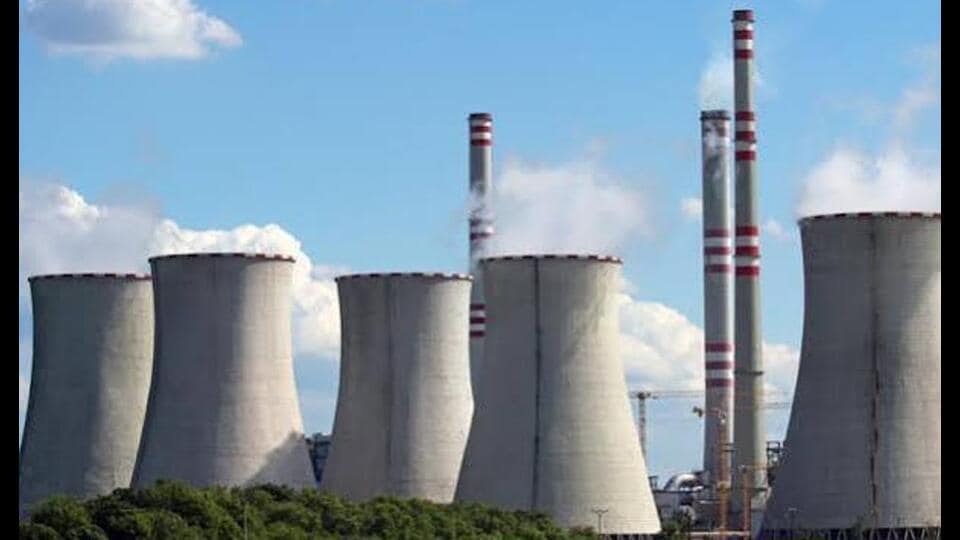
The audits, conducted by the National Safety Council (NSC), Mumbai, in June and July this year, made 165 observations covering critical installations, including fire hydrants, extinguishers, hydrogen storage areas, cable galleries, control rooms and emergency exits.
Of these, 71 observations have been complied with, while work on the remaining 94 is in progress, said UPRVUNL managing director Mayur Maheshwari. “Fire safety cannot wait for an accident. We sought an independent agency to look at our plants with fresh eyes, and every observation is being acted upon,” he said.
The six thermal power stations covered under the exercise are Anpara, Obra, Parichha, Harduaganj, Jawaharpur and Panki.
Among the corrective measures, Anpara has received a dedicated power supply for fire water pumps, updated hydrant layouts and fire extinguishers conforming to the latest standards. At Parichha, high-velocity water spray systems have been switched to automatic mode, while gas suppression systems have been installed in eight zones of control and observation rooms.
At Harduaganj, a public address system has been installed and hydrogen storage areas have been provided with warning boards and emergency instructions. Firefighting equipment identified as necessary at Jawaharpur has also been purchased or ordered.
The plants are additionally strengthening emergency preparedness through five fire wings of the Central Industrial Security Force (CISF), which provide round-the-clock fire protection. Regular inspections, mock drills, fire safety programmes and emergency response teams form part of the arrangements.
Alongside fire protection, UPRVUNL has commissioned water audits through the National Productivity Council (NPC), Kanpur, and dust audits through the Regional Labour Institute (RLI), Kanpur. The exercises are aimed at identifying water losses, leakages and areas of coal and ash dust exposure, enabling corrective action to improve resource efficiency and workplace safety.
Worker welfare measures include dedicated Shramik Suvidha Kendras at all six plants, providing workers with facilities for rest, clean meals, coolers and fans. Upgraded safety helmets have also been supplied to workers across the projects.
“Our workers are the backbone of every plant. A clean place to rest and the right protective gear are a matter of basic dignity and safety,” Maheshwari said.