
 E-Paper



HC refuses interim relief to real estate baron’s daughter in fight over father’s estate
Sabita Narang had approached the high court in August 2014, seeking a declaration that she was entitled to one-fourth share in the estate of her late father as per a 1995-96 family arrangement, especially in view of the 2005 amendment to the Hindu Succession Act

 Prefer HTon Google


MUMBAI: The Bombay High Court on Monday refused interim relief to Sabita Rajesh Narang, daughter of late real estate baron Gopal Lachmandas Raheja, in her legal fight with her brother, Sandeep G Raheja, over their late father’s estate.
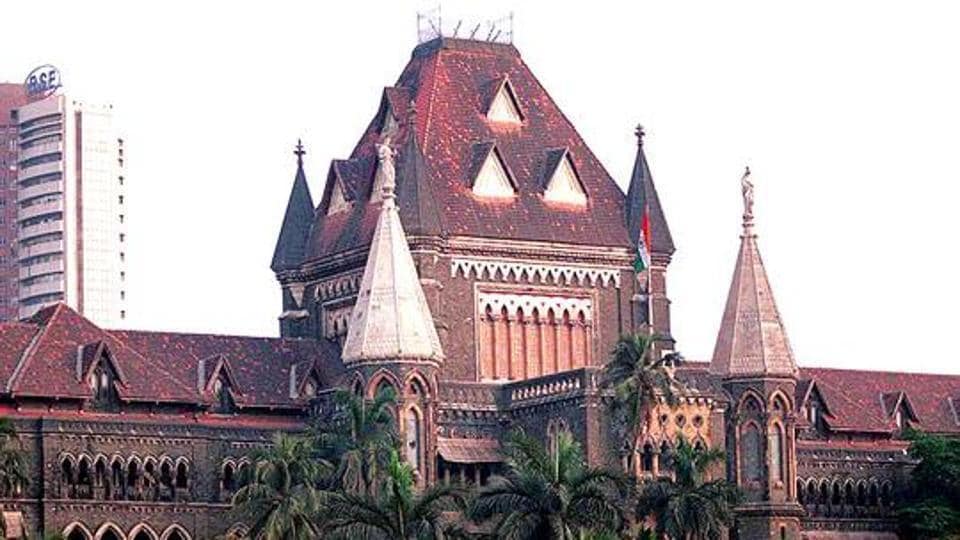
A single judge bench of justice Milind Jadhav rejected Narang’s plea for appointment of an administrator to manage and control the properties, assets and businesses of Gopal Raheja Group companies and restrain her brother and other directors from selling, transferring and/or creating any encumbrance or third party rights in the assets and properties of the 26 companies.
Narang had approached the high court in August 2014, seeking a declaration that she was entitled to one-fourth share in the estate of her late father as per a 1995-96 family arrangement, especially in view of the 2005 amendment to the Hindu Succession Act, which recognises equal right of daughters, like sons, in joint family properties.
Narang had therefore sought partition of the properties and assets, including the businesses and entities owned by the Gopal L Raheja Group, and one-fourth share in the entire estate, as a coparcener.
Sandeep Raheja opposed his sister’s plea on multiple grounds. As per the 1992 oral family arrangement, all their family members, including Gopal Raheja, had transferred their shares and interest in Gopal Raheja Group companies to him, his wife and children; in return, substantial assets were transferred to Narang and their other sister, Sonali Nimesh Arora, Sandeep Raheja claimed.
While rejecting Narang’s plea for interim orders, justice Jadhav noted that she had not specifically denied receipt of the assets, which included movable as well as immovable properties.
The court said that though Narang had claimed share in her late father’s estate as a coparcener, it was not clear whether the Gopal L Raheja hindu undivided family referred to in the 1995-96 family arrangement was in fact the Gopal L Raheja Group. Narang would have to prove that the terms referred to the group by adducing evidence, and only then its properties, assets and businesses could be said to be coparcenary properties belonging to the hindu undivided family, the court said.
The judge said that based on material available before the court, prima facie it could not be said that the Hindu undivided family referred to the group, and therefore her claim of coparceny right cannot be accepted at this stage.
The court also refused to grant Narang’s plea to allow her participation in the management and control of the Gopal L Raheja Group companies and firms, after noticing that she was neither a shareholder or a director of those companies.
“Once it is seen that plaintiff (Narang) is neither a shareholder or director of defendant nos 7 to 32 (group companies) entities, then unless and until the plaintiff proves her case and succeeds in proving her case, her case cannot be considered to interfere and meddle with the operations of the defendant – companies/ entities,” justice Jadhav said.
“There is no threat also to the plaintiff’s claim because the companies are all going concerns and operating in the public domain either as private limited companies and limited liability partnerships,” the court noted.

Stay updated with all the Breaking News and Latest News from Mumbai. Click here for comprehensive coverage of top Cities including Bengaluru, Delhi, Hyderabad, and more across India along with Stay informed on the latest happenings in World News.


