E-Paper



IIT Bombay campus to go vertical, update teaching methods in ₹2,000-crore revamp
IIT Bombay is revamping its education with flipped classrooms and expanding infrastructure to enhance learning and research, aiming for global excellence

 Prefer HTon Google


Mumbai: The Indian Institute of Technology (IIT) Bombay is set to transform its educational approach by shifting from traditional teaching methods to a more learning-focused process, which involves major changes to its infrastructure. This decision follows a comprehensive review conducted by a committee of external experts, who evaluated the institute’s performance from 2018 to 2022.
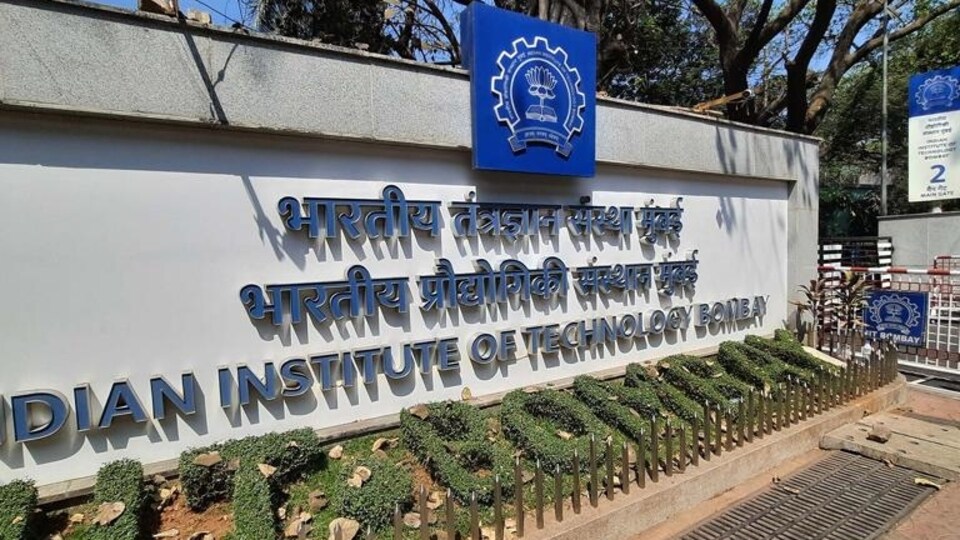
The committee’s report strongly recommended enhancing industry relations, modernising infrastructure and translating research into practical applications for societal benefit. Based on these recommendations, IIT Bombay has planned a series of expansions and upgrades and is aiming to increase its area from nine lakh square metres to 16 lakh square metres through vertical development.
Alongside the physical expansion, the institute will also revamp its teaching methods. It plans to introduce ‘flipped classrooms’, a teaching approach where traditional lectures are moved outside the classroom to make for more interactive, student-centred activities. This shift is intended to make learning more engaging and ensure that students benefit fully from the 40 lectures conducted each semester rather than focusing solely on exam preparation.
“The importance of optimising learning experiences is to better prepare students for real-world challenges,” said Prof Shireesh Kedare, director, IIT Bombay. “By fostering a more interactive environment, the flipped classroom model aims to encourage students to actively participate in the learning process, leading to a deeper understanding of the subject.”
Expanding built-up space
The infrastructure plan is a direct response to the challenges posed by rapid growth. IIT Bombay currently faces significant limitations in terms of space, and the planned vertical expansion will help accommodate the growing number of students, faculty and programmes. With plans to increase the capacity from the existing 12,000 rooms to 16,000 rooms within the next two to three years, the expansion will also address the pressing need for additional student accommodation.
The development of academic and residential buildings worth over ₹2,000 crore are currently in various stages of implementation. According to Prof Kedare, the institute aims to preserve green areas on the campus while expanding the built-up area by over 75%.
Upgrading research capabilities
As part of its infrastructure development, IIT Bombay will enhance its research capabilities through a significant investment in advanced equipment. “The institute has allocated ₹500 crore to procure around 200 world-class research pieces of equipment, including high-performance computing systems, nuclear magnetic resonance instruments, and liquid helium facilities,” said Prof Milind Atrey, deputy director, Academics, Research and Translation.
Prof Atrey said the equipment would not only benefit IIT Bombay’s own faculty and students but would also be accessible to other educational institutions and industries at a nominal fee, thereby fostering collaboration and wider access to cutting-edge technology. The funding for these instruments comes from a ₹1,000-crore grant provided under the ‘Institute of Eminence’ initiative by the central HRD ministry.
Review recommendations
The review committee’s assessment provided a detailed roadmap for IIT Bombay’s future development, highlighting several areas for improvement. Key recommendations included modernising outdated laboratories, expanding departmental libraries and restructuring academic units. The committee also suggested improving the faculty-to-student ratio and focusing on emerging research areas such as artificial intelligence, machine learning and biotechnology.
Additionally, the review emphasised the need to strengthen industry partnerships and international collaborations to enhance the institute’s global reach. It called for the promotion of postdoctoral programmes to increase research output and the establishment of outreach campuses or hybrid programmes to extend IIT Bombay’s educational impact. It also praised recent innovations and achievements, and lauded IIT Bombay’s efforts to maintain inclusivity in faculty appointments.
Placement statistics
The review also made a reference to IIT’s exit survey on student placements. Around 57.1% students got placed through IIT-B placements, 10.3% landed up in jobs outside of IIT-B placements, 1.6% initiated start-ups, 8.3% entered the public services, 6.1% were still looking for a job and 12% of the students opted for higher studies.
Prof Kedare said that the infrastructure expansion, adoption of flipped classrooms and investment in research facilities would significantly enhance the institute’s capabilities. “As it continues to evolve, IIT Bombay aims to uphold its status as a premier educational and research institution not only in India but also on the global stage,” he said.