
 E-Paper



IMFL took the fizz out of other alcoholic drinks in 2021-22
The cup of Bacchus is overflowing, at least when it comes to Indian Made Foreign Liquor (IMFL)


The cup of Bacchus is overflowing, at least when it comes to Indian Made Foreign Liquor (IMFL). The sales of IMFL in Maharashtra have shown the healthiest growth in 2021-22 compared to other types of liquor like beer and country liquor (CL). Consumption of wine has also shown a steady rise. In a break from convention, IMFL sales have marginally outstripped that of beer in terms of volumes.
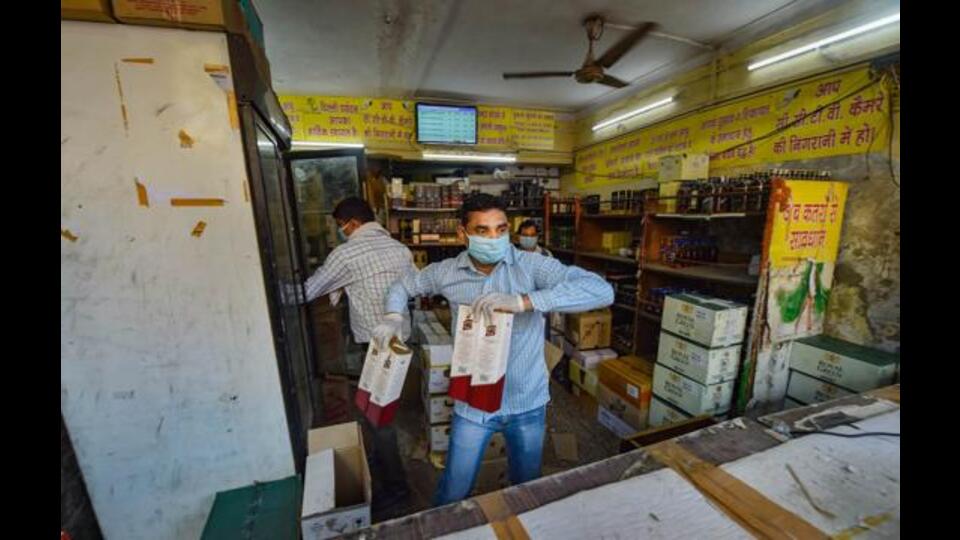
This has been attributed to the high prices of beer vis-à-vis IMFL and the desire of people to consume hard drinks. The changed drinking patterns during the Covid-19 pandemic, wherein people avoided chilled beverages like beer in favour of various types of IMFL like whisky, rum and brandy, have also solidified over time. In 2020-21, many of the lockdown restrictions were in force, affecting sale of liquor. These were gradually eased in the last fiscal, leading to growth in overall consumption.
The consumption of IMFL has risen by 17.97% from 1,999.25 lakh bulk litres (LBL) in 2020-21 to end at 2,358.60 LBL in 2021-22. In comparison, beer sales grew by a lower 14.95% from 2,011.93 LBL to 2,312.81 LBL, and CL, which is consumed by the working and toiling classes, went up from 3,208.06 LBL to 3,483.08 LBL (8.57%). Wine sales grew by a massive 21.75% from 70.76 LBL in 2020-21 to 86.15 LBL in 2021-22 though wine consumption is negligible in terms of volumes compared to the other categories of liquor.
In Mumbai city and suburbs, CL has shown the highest growth, largely due to the strong presence of slums and lower income group clusters. This is followed by beer, IMFL, and wine.
For instance, in the city and suburban district, CL sales in 2021-22 were 79.91 LBL and 218.35 LBL against 54.73 LBL and 148.11 LBL in 2020-21, translating into a rise of 46.02% and 47.43% respectively. Beer sales also grew at 25.85% and 27.62% to end at 122.16 LBL and 390.62 LBL against 97.07 LBL and 306.08 LBL.
Consumption of IMFL in the city and suburbs rose by 24.73% and 21.38% to end at 119.78 LBL and 301.07 LBL versus 96.03 LBL and 248.03 LBL. The growth in wine sales in Mumbai city was healthier at 26.71% than the 11.85% in the suburbs. Consumers in the island city drank 5.88 LBL wine, which is higher than the 4.64 LBL in 2020-21, whereas consumption in the suburbs rose to 17.90 LBL from 16 LBL. However, compared to the sale of IMFL, beer and CL brands, the quantity of wine sold was much less.
The revenues of the state excise department have also risen to ₹17,177.19 crore, which is 13.84% more than the ₹15,089.24 crore in the previous financial year.
A state excise official said sales of IMFL were healthier than beer as some consumers wanted to get a ‘kick’ at lower prices, especially due to financial distress caused by the lockdown. The extended winter also led to sluggish growth in beer sales.
Arvind Miskin, president of the Association of Progressive Retail Liquor Vendors, and former president of the Maharashtra Wine Merchants Association, said IMFL sales were healthier than beer sales due to the price difference. “The rates of beer are quite high,” he said, stating that while a 180 ML bottle of an entry-level IMFL brand cost ₹160, the MRP of a bottle of a popular beer brand was ₹180 for mild beer and ₹190 for strong beer.
During the Covid-19 pandemic, people avoided cold beverages such as beer to avoid health problems like a sore throat, and preferred to consume spirits. This trend continued even after the three waves had subsided, Miskin said. “The wine culture has developed well,” he said, adding that compared to two decades ago, the development of various brands and the growth of wine tourism in the vineyards at Nashik had led to some health-conscious consumers choosing wine as their preferred drink.
Wine is seen as an aspirational drink and a healthier choice when compared to other types of alcohol and is usually preferred by the elite and upwardly mobile. The state excise official said during the lockdown, some uber rich consumers and those working from home had shifted to farmhouses and second homes in areas like Alibag. This was one reason for the 34.41% growth in wine sales in Raigad.
Adarsh Shetty, past president and advisor, Indian Hotel and Restaurant Association, said the state government’s decision to cut import duties on high-end brands of foreign liquor and scotch had led to a shift in consumption patterns. “Since these brands have become cheaper, those who chose premium Indian brands have migrated to them due to a similar price range,” he added.
Sales of beer were seasonal, and went up in the summers and declined once the monsoons and winters set in. In the winters, people preferred hard liquor like rum.
Rajesh Jadhav, former state secretary, All India Wine Producers Association, said a reason for higher wine sales was steep prices of beer. “Cheaper brands of wine are also available in the market. Wine has around 14% to 15% alcohol, which is more than beer. So, some people who want a stronger kick may prefer wine over beer,” he added.
Stay updated with all the Breaking News and Latest News from Mumbai. Click here for comprehensive coverage of top Cities including Bengaluru, Delhi, Hyderabad, and more across India along with Stay informed on the latest happenings in World News.


