
 E-Paper



Main intent behind PSA is to crush dissent: Mihir Desai
Though the law was purportedly targeted against ‘urban naxals’, it did not define who an urban naxal was, leaving scope for anyone to be implicated, Desai said


Mumbai: At an event to mark the 19th anniversary of a series of bomb blasts on local trains in the city, popularly known as the 7/11 blasts, senior advocate Mihir Desai on Friday questioned the motive of the state government after the Maharashtra Legislative Assembly passed the Maharashtra Special Public Security Bill on Thursday, and said the main intent behind it was to crush dissent.
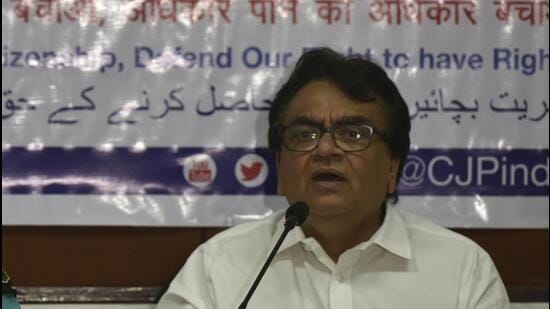
“Laws like the Unlawful Activities (Prevention) Act (UAPA) already have provisions to ban an organisation. So what was the need for a new law,” Desai, who practises in the Bombay high court, asked.
Organisations like the Popular Front of India (PFI) and the Students’ Islamic Movement of India (SIMI) had been banned under the UAPA in the past, he said.
“But under the new law, if the government thinks you are an organisation, it can ban you.” It would not matter in such cases if the organisation was registered or unregistered, he mentioned.
Though the Bill was purportedly targeted against ‘urban naxals’, it did not define who an urban naxal was, leaving scope for anyone to be implicated, Desai said. He said the new legislation was aimed at “crushing dissent”.
It was important to hit the streets and protest against the law, he noted, referring to massive protests in 2020 over the three farm laws which were eventually repealed by the central government.
“Such laws need to be protested against, so that they are taken back or at least, not misused,” the senior advocate said.
Desai was speaking at an event organised by the Innocence Network founded by Abdul Wahid Shaikh, the only person acquitted by the special Maharashtra Control of Organised Crime Act (MCOCA) court in the 7/11 bomb blasts trial in 2015.
Among twelve other accused convicted in the case, five men were sentenced to death while seven others were sentenced to life imprisonment. All twelve accused subsequently challenged their conviction before the Bombay high court, which reserved its judgment in the case after hearing both the prosecution and the defence at length.
Shaikh Sohail, son of Mohamed Ali who was sentenced to life imprisonment, hoped his father would return home soon.
“We have faith in the judiciary. My father has been in jail for 19 years and we have faced great hardship in these years. We are hopeful that he will return home,” he said.
Lawyers and relatives of the other accused read statements issued by their families, recounting their fight for justice over the past 19 years.

Stay updated with all the Breaking News and Latest News from Mumbai. Click here for comprehensive coverage of top Cities including Bengaluru, Delhi, Hyderabad, and more across India along with Stay informed on the latest happenings in World News.


