
 E-Paper



BMC’s human milk bank touches pre-Covid numbers with up to 60% rise in donations
The milk bank at BYL Nair Hospital in Mumbai Central which saw 217 litres of human milk donations in 2018, registered 275 litres of donations in 2022, while Rajawadi Hospital in Ghatkopar, which received 20-litre donations in 2018, saw a 30-litre donation last year


Mumbai: After a brief lull during the pandemic, the three human milk banks in the city run by the Brihanmumbai Municipal Corporation (BMC) saw a significant rise in donations, almost touching the pre-Covid numbers.
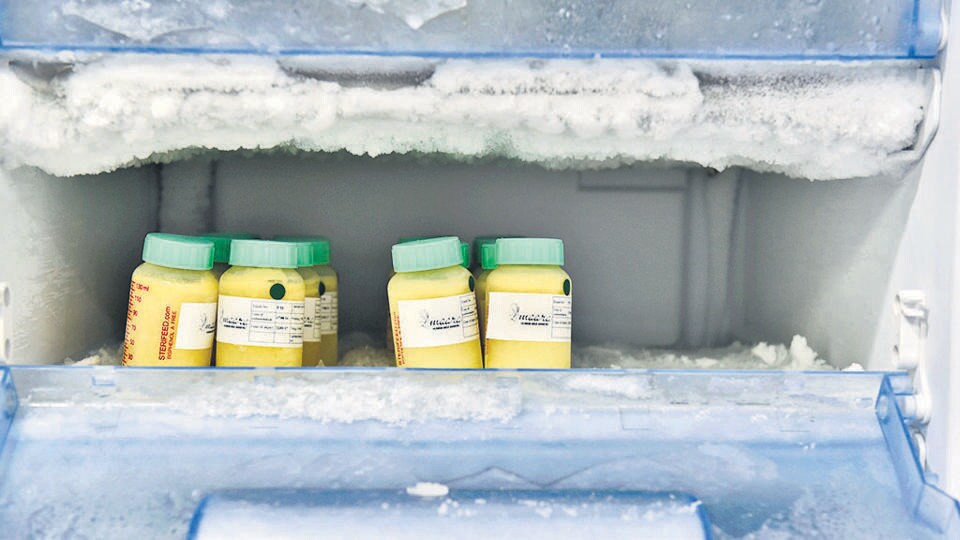
The milk bank at BYL Nair Hospital in Mumbai Central which saw 217 litres of human milk donations in 2018, registered 275 litres of donations in 2022, while Rajawadi Hospital in Ghatkopar, which received 20-litre donations in 2018, saw a 30-litre donation last year.
Donations at Lokmanya Tilak Municipal General Hospital (Sion Hospital), which is also Asia’s first human milk bank, established in the year 1989, is slowly picking up pace to reach pre-Covid numbers.
In 2019, the hospital saw 880 litre human milk donations, in 2020, the number slipped to 526 litres, in 2022, it saw 790 litre donations, a 60% rise from 2021 (632).
A human milk bank collects breast milk donated by lactating mothers. The milk is then pasteurised for the removal of viruses and tested for authenticity. After which it is kept in a deep freezer for storage before dispensation to infants in need.
“During the Covid-19 pandemic, we did see a dip. Post that, we beefed up our awareness programmes. The donor milk helps preterm babies and we are mostly dependent on in-house donors (women who had delivered and admitted) and new mothers coming to the outpatient department,” said Dr Vidya Thakur, chief medical superintendent, of peripheral hospitals of BMC.
During the Covid-19 pandemic, these human milk banks had to prioritise the milk with the fall in donations. Doctors said only the smallest, sickest and most vulnerable babies were priority. With the footfall in the hospital increasing, BMC concentrated on awareness programmes on human milk donations too.
Dr Sushma Malik, head of Pediatrics and Neonatology at Nair Hospital, expressed optimism about the future of milk donations. Dr Malik anticipated a higher participation rate from new mothers, leveraging the hospital’s monthly average of 300-350 deliveries. She highlighted that women attending follow-up consultations were also showing keen interest in contributing to this noble cause.
Dr Swati Manerkar, a neonatologist who heads the milk bank in Sion Hospital said they are now going beyond the numbers. “Collecting more milk does not mean you are doing better work. We are concentrating on empowering new mothers to breastfeed their babies, conduct research on breastfeeding and mentor train staff and resident doctors too on breastfeeding,” she said.
Dr Manerkar said they are also concentrating on neonates getting a colostrum-first form of breastmilk that is released by the mammary glands after giving birth from the mother while being admitted to the neonatal intensive care unit (NICU).
“We have devised a system wherein the lactation counsellor helps the mother to express colostrum, collect it and take it to the NICU for the baby if the mother is unable to go. Expression of colostrum is not an easy task and requires a skill that needs to be mastered. Scientifically it is proven that colostrum helps reduce neonatal morbidity and decreases the time taken for the baby to reach the full feed. This is one important quality improvisation we are doing at our milk bank,” said Dr Manerkar.

Stay updated with all the Breaking News and Latest News from Mumbai. Click here for comprehensive coverage of top Cities including Bengaluru, Delhi, Hyderabad, and more across India along with Stay informed on the latest happenings in World News.


