
 E-Paper



Stakeholders question University of Mumbai’s nod for 74 new colleges
Approving colleges in a city that already is overflowing with colleges, especially for traditional arts, science and commerce, shows zero research by the varsity, teachers’ body said


University of Mumbai’s recent announcement of having approved 74 new colleges to its already large brood of affiliated colleges has attracted dissent and arguments from several stakeholders.
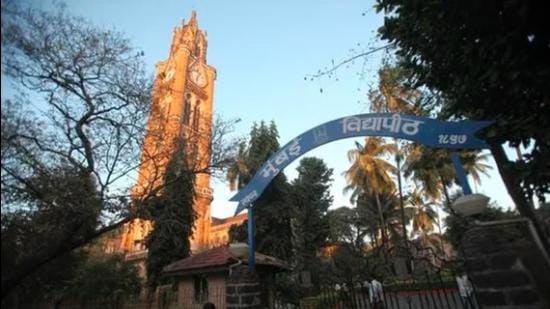
While varsity officials have pointed that the plan for new colleges – for the 2022-23 academic year – have been approved after taking into consideration the demand, teacher representatives and several senate members have highlighted how this move has been made without following basic statutory laws as prescribed in the Maharashtra State Public University’s Act.
“The university statues specifically mention that a special committee should conduct a survey of the location and understand from stakeholders the need for colleges before approving a new college in their perspective plan. However, no such physical survey was conducted. Approving colleges in a city that already is overflowing with colleges, especially for traditional arts, science and commerce, shows zero research by the varsity,” said Tapati Mukhopadhyay, president, Maharashtra Federation of University and College Teachers’ Organisation (MFUCTO).
The perspective plan is an annual exercise to chart out MU’s future growth. It provides details about prospective colleges for different regions under the university’s jurisdiction. The plan needs the state government’s nod before it is finalised.
Last year, MU had proposed 36 new colleges for academic year 2021-22 in its perspective plan. Later, the state government added 18 more to the list. Eventually, managements of only 24 colleges showed interest and applied, and got the final approval from the state government.
This year, more than double the number of colleges has been proposed by the university, and, if approved, the total number of affiliated colleges under MU will cross 900.
“Instead of focussing on giving autonomy to colleges, the university is busy adding to its burden by adding new institutes, especially in cities like Mumbai, where there’s already an overflow of colleges. Time and again, we have highlighted the problem of vacant teacher posts, which has left many colleges at the mercy of ad-hoc or visiting faculties. MU should focus on maintaining the existing infrastructure and save the dying colleges,” said a former senior official from the varsity on condition of anonymity.
At present, only 42 MU colleges have been awarded the autonomous status while several others are still waiting for approval.
The university controls over 840 affiliated colleges across the Mumbai Metropolitan Region (NMR), including Thane and Palghar as well as Raigad, Sindhudurg, Daman and Goa. The large area and huge number of colleges, coupled with an acute shortage of staff, often creates administrative problems for the varsity, affecting the overall quality of education imparted.
According to the new perspective plan, MU has recommended to start 46 new arts, science and commerce colleges, 15 law colleges, eight night colleges and three women’s colleges. While 12 locations have been identified in suburban Mumbai, five are in the city. Once the locations are finalised, applications will be invited from parties interested in setting up the college
. Principals, however, feel adding new colleges with traditional courses will be of no help.
“A basic demographic survey of the city and state will show the varsity exactly what areas need colleges. Similarly, a visit to the area will give them (university) an idea on what courses are in demand among the youth. Figures show that enrolment numbers for the university dipped in 2020-21 to 190,000 from 220,000 the year before. Yet the university only focusses on new colleges instead of maintaining the existing institutes,” said the principal of a city college. He added that instead of new traditional colleges, MU should focus on adding divisions for self-financed courses in the existing colleges to accommodate the growing demand.
An official from MU, on the condition of anonymity, said, “The university is not an approving body for opening colleges. As per the guidelines of the state government, the university can only recommend new colleges for approval to the government, which we have done. The basis is to address the demand for courses in different areas and to ensure that not a single student is deprived of admission due to lack of availability of a college nearby.”
However, the official said that opening a new college would address demand better than providing autonomy to more existing colleges.
“When a new college is approved, it means that the institute has adequate infrastructure to handle footfall of students. To get autonomy, colleges must have a National Assessment and Accreditation Council (NAAC) accreditation of A and adequate infrastructure. This becomes difficult for colleges in the city that have limited space at their disposal. Also, opening new colleges will prevent the monopoly of certain colleges and give students options between more colleges,” said the official.
Despite repeated attempts, university pro vice-chancellor Ravindra Kulkarni did not respond to calls or messages.
For years, law colleges have been mushrooming all over the city, and with every passing year, while the number of colleges increases, students feel the infrastructure is not equipped to support the growing strength.
“Most law colleges depend heavily on visiting faculty because the university doesn’t even approve vacant teaching posts. While the university only wants to show growing numbers on paper, the need of the hour is for the university to tackle existing problems first, and then opt for setting up of new institutes,” said Vaibhav Ekde, president, Maharashtra Students Welfare Association.

Stay updated with all the Breaking News and Latest News from Mumbai. Click here for comprehensive coverage of top Cities including Bengaluru, Delhi, Hyderabad, and more across India along with Stay informed on the latest happenings in World News.


