
 E-Paper



Why independent candidates are declining in BMC polls
Patil said that in some cases, independent candidates are fielded on the basis of community identities or even given similar names to confuse voters.

 Prefer HTon Google


MUMBAI: The Brihanmumbai Municipal Corporation (BMC) elections are witnessing a decline in the number of independent candidates, a trend flagged in a research study conducted after the 2017 civic polls that has been attributed to rising election costs, alliance compulsions and the growing influence of money and muscle power.
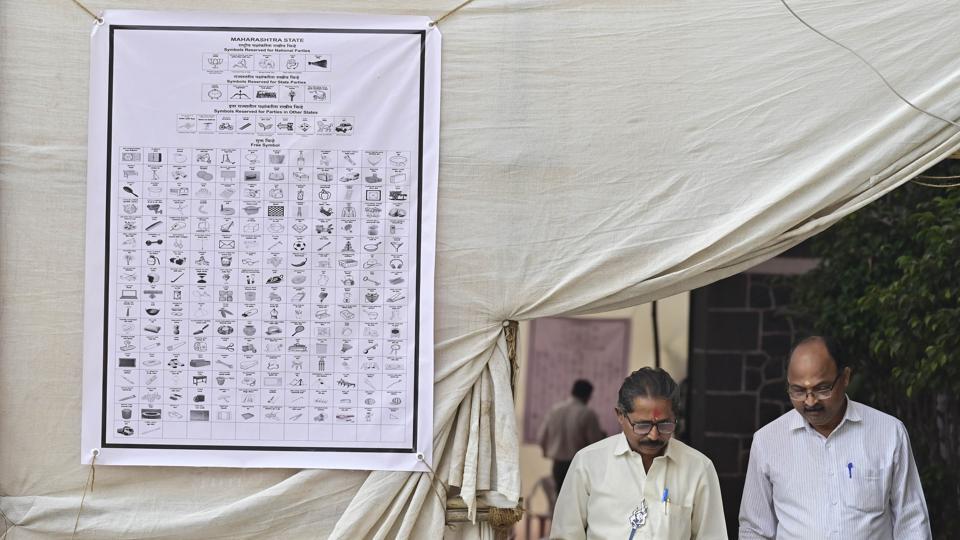
According to the research report, titled Contesting Municipal Elections: Motivations and Strategy, authored by political researcher Sanjay Patil under the guidance of Mumbai University professor Surendra Jondhale, the share of independent candidates has declined sharply since 2012. While independents accounted for 40.97% of all contestants in the 2012 BMC elections, the figure dropped to 30.67% in 2017. In the 2026 elections, it has edged up slightly to 32.8%.
ALSO READ | BMC election expenses slated to surpass ₹175 crore, 30% more than 2017
Explaining the trend, Patil told HT that municipal elections have become intensely competitive, requiring vast financial and organisational resources. “Most independent candidates are managed by political parties. Elections today demand huge resources, which genuine independents often lack,” he said.
Patil classified independent candidates into three broad categories. “One category consists of rebel candidates who are seeking party tickets but contest as independents after being denied nominations. The second includes aspirants who fail to secure tickets from any party. The third category comprises candidates fielded strategically by political parties to cut into the vote share of their opponents,” he said.
Several high-profile independents in the current elections fall into the rebel category. Bharatiya Janata Party (BJP) leaders such as Divya Dhole from Versova (ward 60), Nehal Amar Shah from Matunga (ward 177), and Janhvi Rane from Abhyudaya Nagar (ward 205) are contesting as independents after failing to secure party nominations. In Sewri’s ward 202, Sena (UBT) leader Vijay Indulkar is contesting as a rebel independent candidate against six-time corporator and former mayor Shraddha Jadhav of the same party.
Patil said that the political context in 2026 is markedly different from that of 2017. “The elections are being held after a gap of nine years. Due to alliance politics, promises made to aspirants could not be fulfilled, particularly assurances of tickets. This has led to a large number of revolts,” he said.
He added that in some cases, independent candidates are fielded on the basis of community identities or even with similar names to confuse voters. “This is a deliberate strategy by major political parties to divide the opposition vote. Some of these candidates are even asked to withdraw later,” Patil said.
The 2025-26 BMC polls have also thrown up rare electoral scenarios. In ward 226, only two candidates are contesting—BJP’s Makarand Narwekar and independent candidate Tejal Pawar. “This has never happened in the history of municipal elections. A ward with just two candidates is extremely rare,” Patil observed.
The high cost of campaigning remains a key deterrent for independents.
“Without political backing, independents need substantial funds and an extensive network. It is expensive, and that is the main reason behind the decline in independent candidates in BMC elections,” Patil said.
Historically, successful independent citizen candidates have been few and far between. Patil recalled that the last notable instance was in 2007, when Adolf D’Souza from Juhu and Makarand Narwekar from Colaba won as independents. “After 2007, I haven’t seen strong civil society-backed citizen candidates winning elections. Such experiments have largely disappeared,” he said.

Stay updated with all the Breaking News and Latest News from Mumbai. Click here for comprehensive coverage of top Cities including Bengaluru, Delhi, Hyderabad, and more across India along with Stay informed on the latest happenings in World News.


