
 E-Paper



World Water day: A look at Mumbai’s freshwater and artificial lakes
As we celebrate World Water Day, we look at seven lakes in and around Mumbai that provide water and hydropower to the city that never sleeps

 Prefer HTon Google


Tulsi Lake
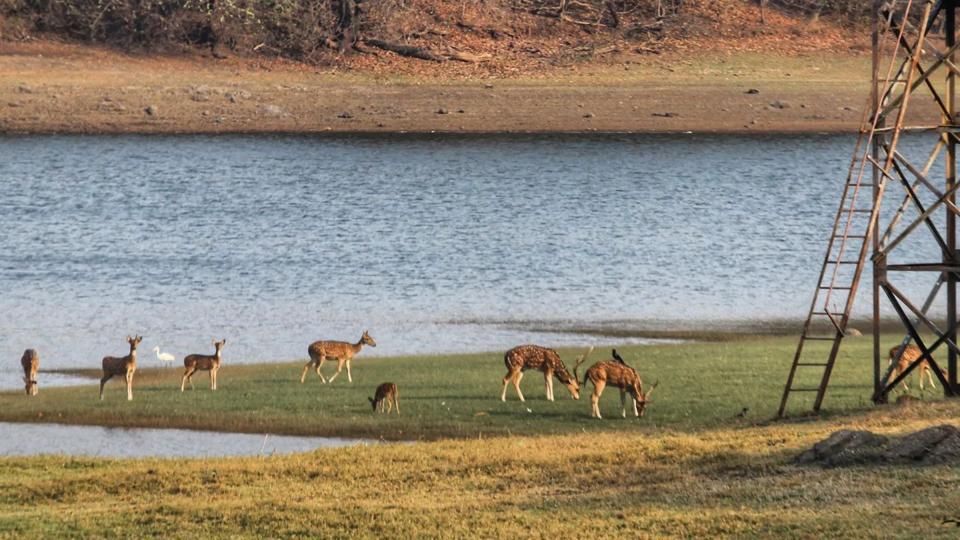
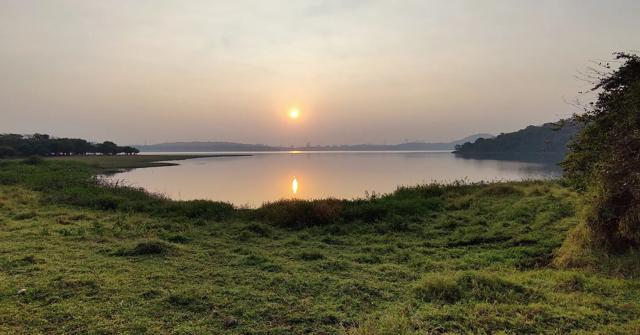
The second largest lake in Mumbai, the Tulsi Lake is a freshwater body. It is located inside the Sanjay Gandhi National Park in Borivali. Built as a backup for the Vihar Lake, it was conceived in 1872 and completed in 1897. It was created by building a dam on the Tasso River and mainly supplies drinking water to the southern parts of Mumbai. The Dahisar and Poisar River originate from this lake, which has a sizable population of freshwater crocodiles as well.
Bhatsa Lake
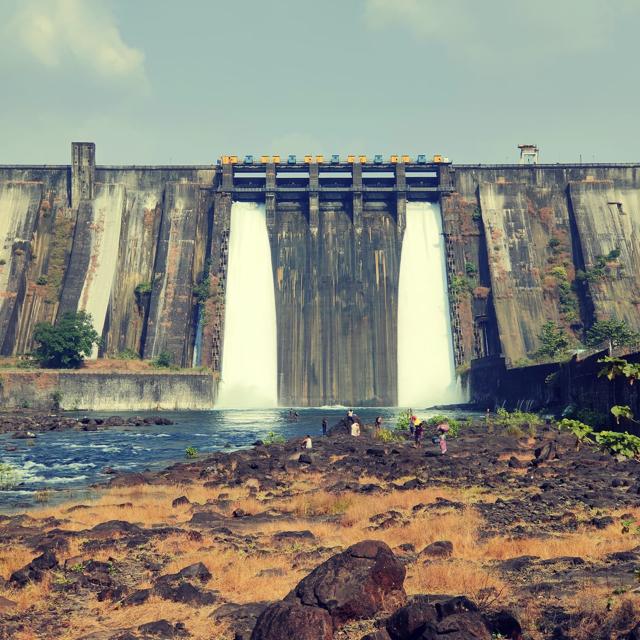
After the Koyna Dam in Satara, the Bhatsa Dam in Thane is the second tallest dam in Maharashtra. It provides 40% of the water to the city and is built on the Bhatsa River. However, it is connected to two major rivers — the Bhatsa River and the Corna River. Along with fulfilling the water needs of Thane and Mumbai, this dam is also used to generate hydroelectricity.
Valvan Dam
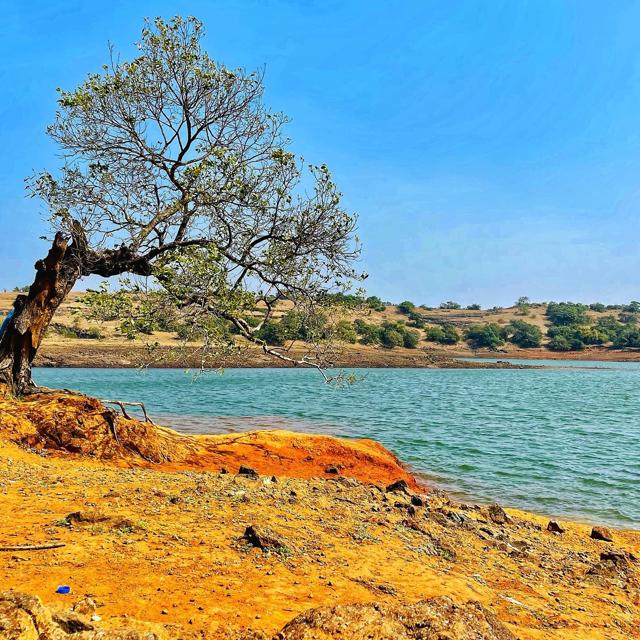
Built on the Indrayani River near Lonavala, this dam is privately owned by Tata Powers. It provides water to the nearby Khopoli Power Plant for the production of hydroelectricity and to residents of Lonavala, Khandala and some neighbouring villages.
Vihar Lake
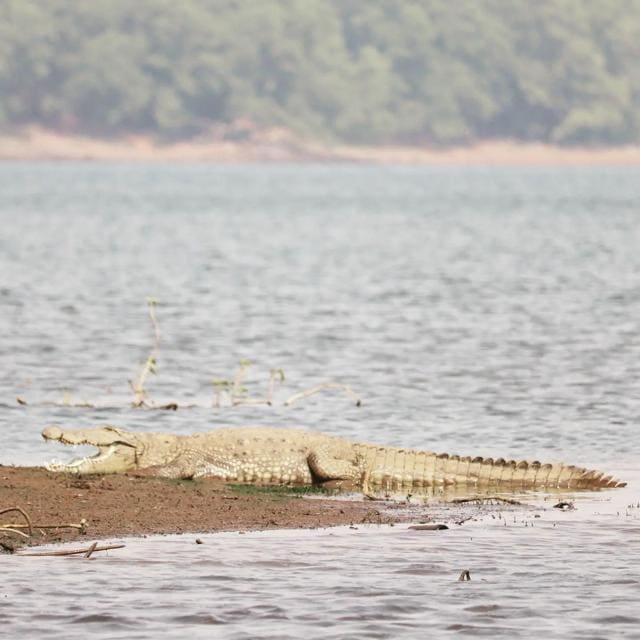
Located in the midst of the Sanjay Gandhi National Park, the Vihar Lake was built in 1860. Infested with crocodiles, the Mithi River originates from this lake. The water from the Vihar Lake was used when piped water was supplied to Mumbaikars for the first time.
Powai Lake
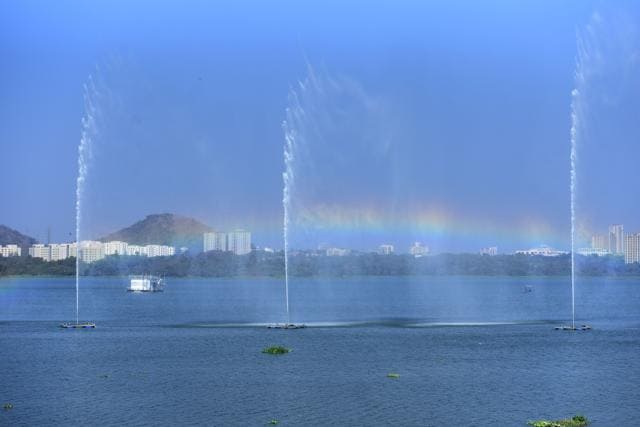
This artificial lake is situated in the posh locality of Powai and surrounded by IIT Bombay and Hirandadani complex on either side. A haven for migratory birds in the concrete jungle, there have been crocodile sightings as well. Created in 1891, the Powai Lake was created by constructing two dams on the Mithi River. Both the surburb and lake were named after Framaji Kavasji Powai Estate
Tansa Dam
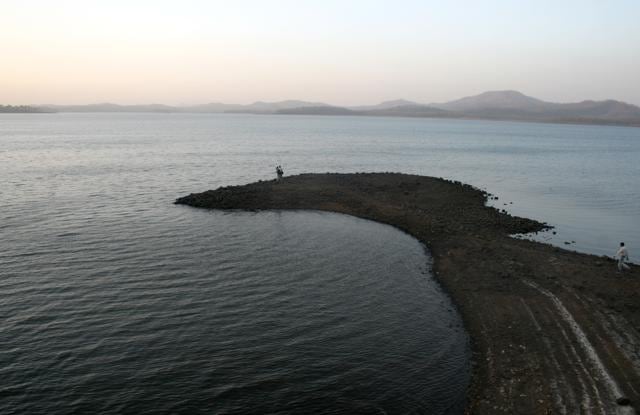
The Tansa Lake in Thane district is a scenic place to catch the sunset. The surrounding area has been declared a nature sanctuary. It is a destination visited by environment enthusiasts, ornithologists, and conservationists. First built by the British to supply the increasing demand of water in the city, it has been raised several times to keep up with this demand. The water from this lake is primarily used for consumption purposes.
Vaitarna Dam
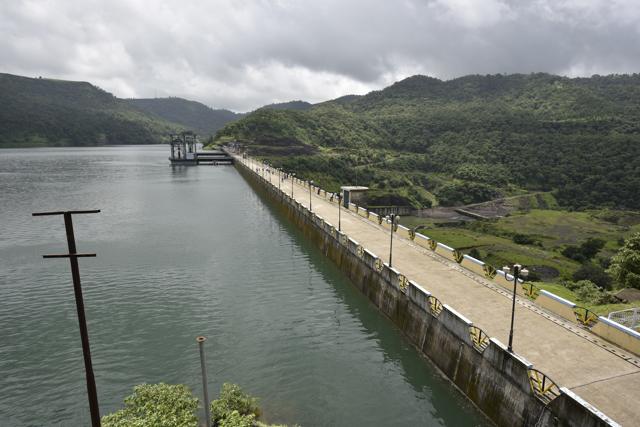
Located in Palghar district, the Vaitarna Dam was constructed on the Vaitarna River. It is a gravity dam and was first built in 1701 and renovated in 1950 by engineer Narayan Modak. The dam was first opened in 1957 and supplies water to Palghar and Mumbai districts. The river has been further divided in to Upper Vaitarna, Modak Sagar, and the Lower Vaitarna.


