E-Paper



Confident of meeting demand of CWG 2030 through renewable energy in Gujarat: Official
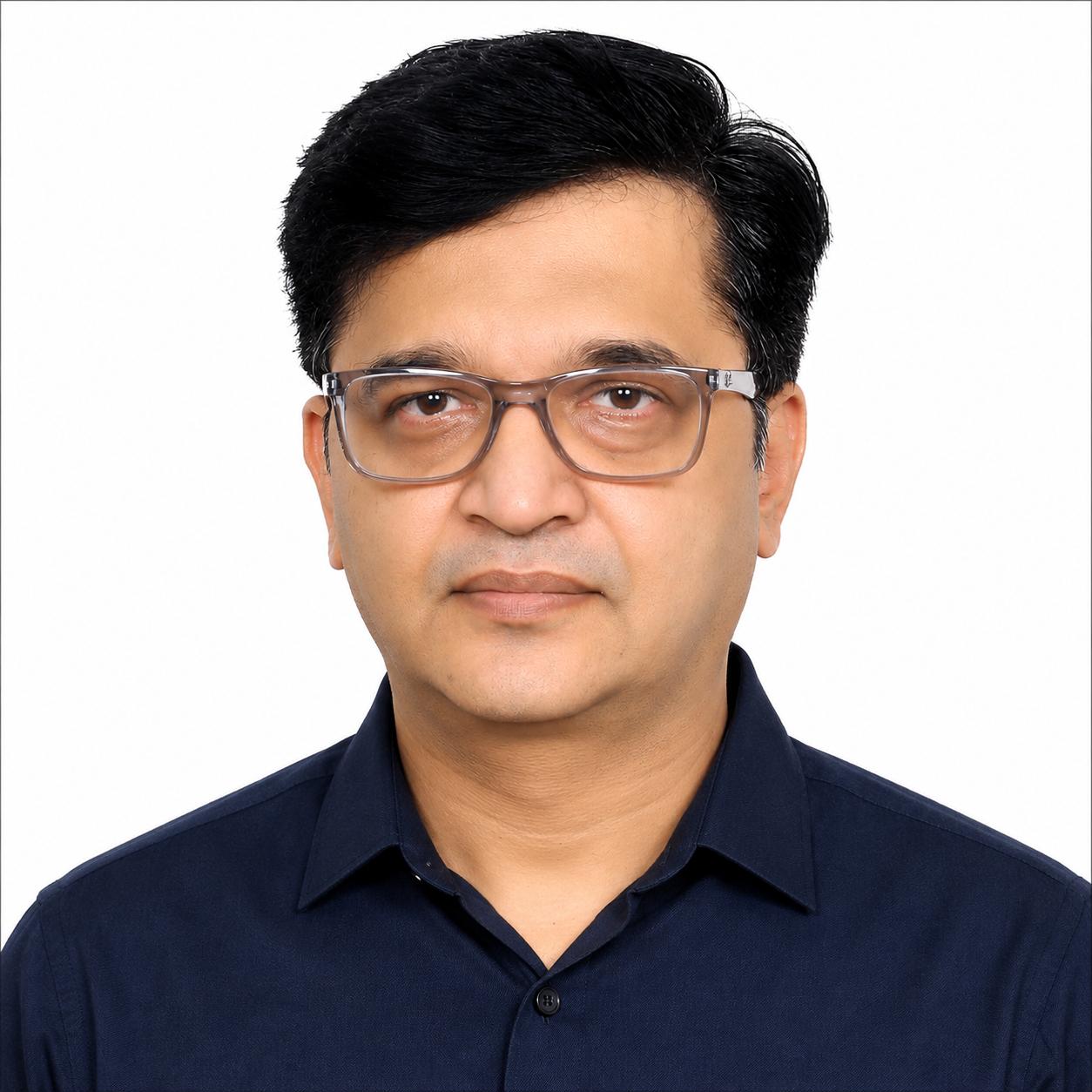
Ashvini Kumar, principal secretary, Energy and Petrochemicals Department, said Gujarat was confident of meeting the full power demand of the Games through renewable sources

 Prefer HTon Google


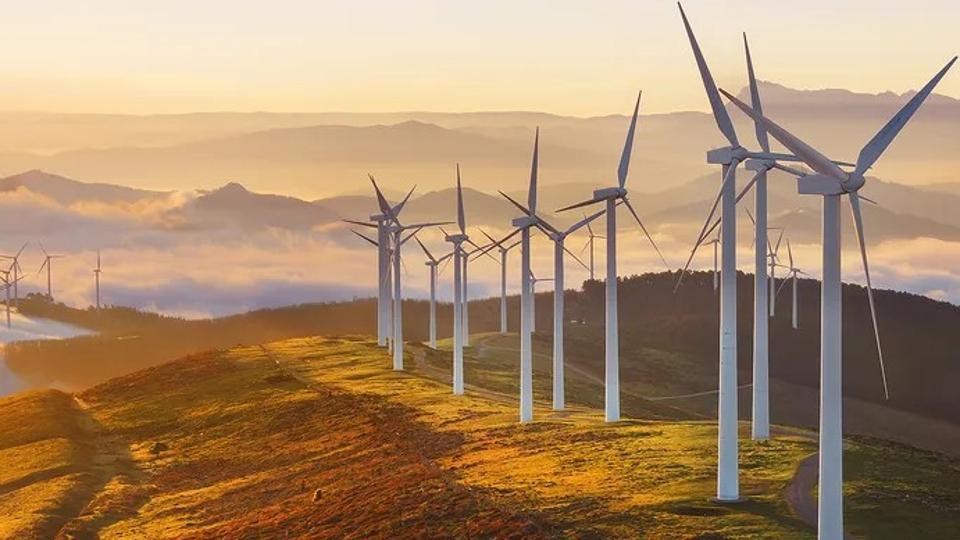
The Commonwealth Games 2030 in Ahmedabad is likely to be powered entirely by renewable energy, with no dependence on fossil-fuel-based electricity, a senior Gujarat government official said on Monday, signalling the state’s intent to use the Games as a demonstration of large-scale clean energy capability.
Ashvini Kumar, principal secretary, Energy and Petrochemicals Department, said Gujarat was confident of meeting the full power demand of the Games through renewable sources, backed by grid upgrades and energy storage expansion.
“When we host the Commonwealth Games 2030 in Ahmedabad, 100% of our energy requirements will be met by renewable sources only. We are investing heavily in upgrading our grid network and transmission systems, and we are moving from two hours of battery storage to four hours of battery storage. We are very sure that we will not need any fossil-fuel-based electricity supply when the Games are held,” Kumar said.
The remarks were made during a panel discussion at the Commonwealth Connect Forum held in Ahmedabad, hosted by India Global Forum in partnership with the Government of Gujarat and the Ahmedabad Municipal Corporation at Veer Savarkar Sports Stadium in Ahmedabad. The forum coincided with a visit by a West Midlands delegation led by Richard Parker, Mayor of the West Midlands, aimed at building long-term economic partnerships around infrastructure, clean energy, manufacturing and skills.
Also Read:India get hosting rights for 2030 centenary Commonwealth Games in Ahmedabad
He said Gujarat already had adequate renewable generation capacity and remained a power-surplus state exporting electricity to other parts of the country. He said the Commonwealth Games would also serve as a global showcase of India’s clean energy ambitions and operational capacity.
“We would like to demonstrate to the world through the Commonwealth Games that we can deliver large international events entirely on renewables, and that we can do even better if we bag the Olympics in 2036,” he said.
The Birmingham 2022 Commonwealth Games generated over £1.2 billion for the UK economy with half of that being delivered within the region itself and it created over 22,000 jobs, with half of those being in the West Midlands, said Parker, Mayor of the West Midlands.
“And we sold over 1.5 million tickets. We delivered on time and under budget, and we reinvested over £70 million back into the community projects after the Games were completed. But the numbers, of course, only tell part of the story, and they never tell the full story. The real legacy of the Games lives in the lives of the community volunteers. It was the activities that found the experience not only great but helped them build their own self-confidence and self-belief. It inspired young athletes from across the country,” he said.
“The Games you are hosting in 2030 are not simply the next edition of the Commonwealth Games. They will mark 100 years of Commonwealth sport. A century shared in competition, a shared history and shared connections across continents,” Parker said at the event.
Ahmedabad secured the hosting rights for the Commonwealth Games 2030 last year and has begun coordinated planning across power, transport, urban infrastructure and hospitality. Preparations are centred around the Sardar Vallabhbhai Patel Sports Enclave in Motera, anchored by the Narendra Modi Stadium, which is being developed as a permanent sports district with supporting arenas and facilities for long-term use beyond the Games.
Manoj Ladwa, Founder and Chairman of India Global Forum and key organiser of Commonwealth Connect Forum, said the focus of the engagement was economic repositioning rather than event management.
“This is not about hosting an event. It is about repositioning a state. When Ahmedabad hosts the Commonwealth Games, it is not simply building venues. It is recalibrating how global capital, investors and governments see Gujarat. Perception drives investment and confidence drives capital,” Ladwa said.
He said the Commonwealth network offered Gujarat access to a large and young economic bloc.
“The Commonwealth is a growth network of 56 countries, 2.7 billion people and over $13 trillion in combined GDP. In a fragmented global order, trusted networks are assets. Commonwealth Connect is about activating that network and ensuring Gujarat converts global attention into structured economic advantage,” he said.
Samir Shah, managing director, Savvy Infrastructure, a real-estate company, said public investment in sports infrastructure had a strong multiplier effect and should be planned with long-term use in mind.
“Every dollar of public investment leads to almost three to five dollars of private investment. What is happening in Ahmedabad is that we are not developing stadiums, we are developing sports districts. That leads to rejuvenation of entire areas, not just sports venues,” Shah said.
Ahmedabad municipal commissioner (AMC) Banchhanidhi Pani said the city’s Games preparation was rooted in long-term urban transformation rather than short-term spectacle. He said the focus was on integrated infrastructure, sustainable mobility and civic modernisation, supported through global partnerships.
Shekhar Patel, President of the Confederation of Real Estate Developers’ Associations of India, said Ahmedabad had in the last few years already planted six million trees with high survival rates and planned to add four million more within two years. He said urban forests and green planning were being aligned with the city’s Commonwealth and Olympic ambitions.