E-Paper



Culture, ecology take centre stage in IFFI’s Indian Panorama non-feature lineup
This year, IFFI — the only festival in India accredited by the International Federation of Film Producers’ Associations (FIAPF) — will feature 240 films from 81 countries

 Prefer HTon Google


Panaji: From endangered art forms to ecological journeys across mountains and forests, culture- and nature-themed storytelling is dominating the Indian Panorama non-feature section at the 56th International Film Festival of India (IFFI) in Goa.
Jointly hosted by the National Film Development Corporation (NFDC), ministry of information and broadcasting, and the Entertainment Society of Goa (ESG) of the Government of Goa, the nine-day film festival is on till November 28.
This year, IFFI — the only festival in India accredited by the International Federation of Film Producers’ Associations (FIAPF) — will feature 240 films from 81 countries.
Jury head Dharam Gulati, a cinematographer, said on Friday that this year’s selection — drawn from a record number of entries — showcases the country’s cultural depth, environmental consciousness and the creativity of filmmakers exploring dying traditions and fragile landscapes.
“We have chosen films which are culturally important. Indian culture is being promoted. Historical films, biographical films, films related to dying arts — some music, localised kind of music and dance forms, which are dying and the new generation is not learning. Films made on nature and wildlife. There is a lot of diversity in this kind of film,” Gulati said, addressing the press.
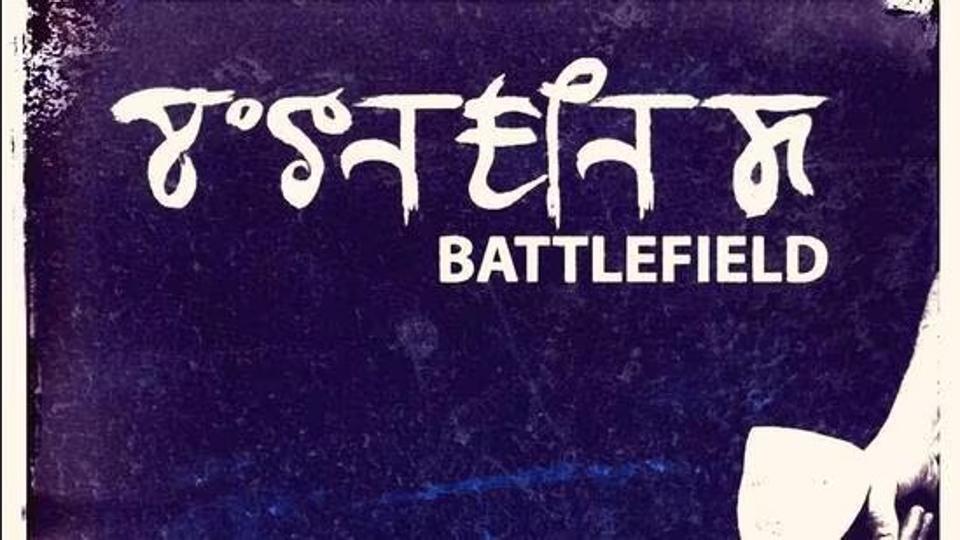
He said that Battlefield, an 86-minute film set in conflict-torn Manipur, revisits the Battle of Imphal — one of the bloodiest confrontations between the Allies and the Axis during World War II — through the eyes of Rajeshwar, who undertakes excavations to uncover remnants and stories of a bygone era.
Oslo, an English and Marathi film that tells the story of a Siberian Husky and her owner, Pooja, follows their pilgrimage from Pune to the Himalayas and explores the bond between a woman and her dog, Gulati said.
Other environmental films include Nilgiris, about the southern Western Ghats, Piplantari, a tale of eco-feminism, and Shangrila, a Sikkimese documentary that captures Sikkim’s ethereal beauty.
The jury had the task of selecting 20 films from more than 500 submissions — more than double the number received last year — after the NFDC waived the processing fee for filmmakers to submit their entries.
Producer Anjali Punjabi, a jury member, said that the Indian Panorama non-feature section is “a remarkable treasure trove of short fiction. This year, we were fortunate to witness an incredible diversity of films.”
Highlighting the “freedom that short fictions offer, beyond the constraints of feature filmmaking and funding,” she said that both veteran filmmakers and aspiring students had contributed to “a rich tapestry of storytelling.”
Anjali highlighted the opening non-feature film, Kakori, which tells the story of sacrifice by revolutionaries during the Indian freedom struggle, for its unique blending of fiction and non-fiction.
The Indian Panorama section — comprising both feature-length and non-feature-length films — is one of IFFI’s highlights, bringing together films from all corners of the country, especially underrepresented regions.