
 E-Paper



Gurugram admin to share list of waterlogging hot spots soon
The list will be uploaded on the official website of the corporation and shared via social media platforms, enabling citizens to review, comment and suggest additional vulnerable locations

 Prefer HTon Google


Gurugram: The Municipal Corporation of Gurugram (MCG) has decided to share a list of 138 identified waterlogging hotspots across the city with municipal councillors and Resident Welfare Associations (RWAs), ahead of the monsoon season. The decision to share the list was announced by MCG chief Pradeep Dahiya during a review meeting with senior officials on Monday.
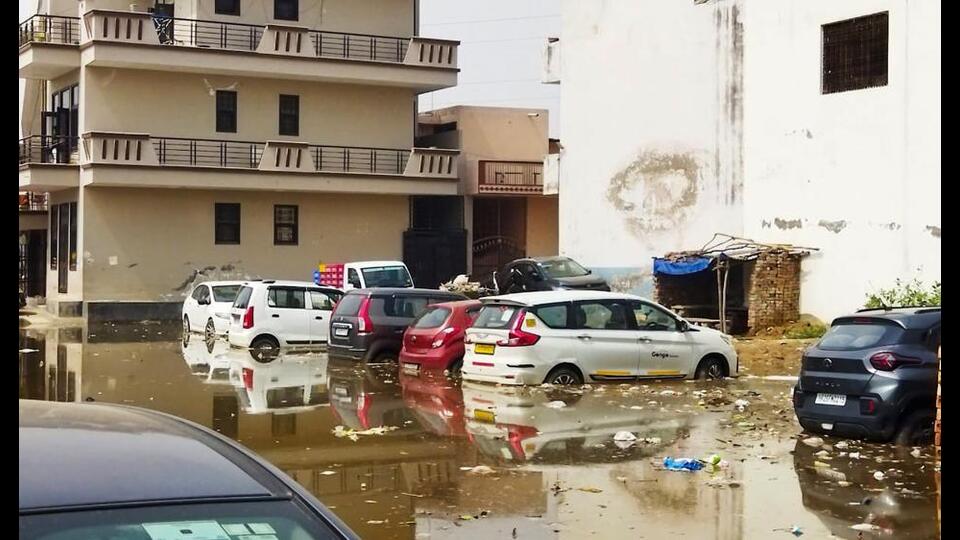
The list will be uploaded on the official website of the corporation and shared via social media platforms, enabling citizens to review, comment and suggest additional vulnerable locations. MCG officials said the move is aimed at enhancing transparency and soliciting community participation to strengthen the city’s flood resilience before the onset of heavy rains.
“We want to ensure that no vulnerable area is left out of the monsoon preparedness plan. By sharing the list of hotspots with councillors and RWAs, we are inviting real-time, ground-level inputs from the people who know their neighbourhoods best,” said Dahiya. “Our goal is zero waterlogging this monsoon and that will require both administrative readiness and civic collaboration.”
As part of the monsoon preparedness plan, the MCG has deployed its engineering wing in the field. Joint commissioners, executive engineers, assistant engineers and junior engineers have been assigned zones to conduct ground inspections and ensure immediate action at critical spots. Teams of sanitation workers and sewer management personnel have also been mobilised at each site.
Dahiya directed all officials to complete cleaning and desilting of drains, sewers, and GT lines (main drainage channels) on a war footing. He instructed officials to ensure that all connections between the Gurugram Metropolitan Development Authority (GMDA)’s drainage system and MCG’s internal sewer network be cleared of obstructions, debris by May 30.
“All manholes across the city must be inspected, repaired and fitted with sturdy covers before the rains begin. Open manholes during the monsoon season are a public hazard and will not be tolerated,” he warned. The MCG chief also ordered that all rainwater harvesting systems across public buildings and community areas be made operational before the monsoon season begins.
He emphasised the reuse of treated water from the city’s sewage treatment plants (STPs). This water, he said, should be diverted for irrigation in parks, green belts, and even construction work wherever feasible.
On the grievance redressal front, the Commissioner reiterated that civic complaints, especially those related to waterlogging, sanitation and infrastructure, must be addressed within defined timelines. All joint commissioners were asked to monitor redressal status zone-wise and ensure accountability at the ward level.
During the meeting, Dahiya also reviewed the progress of MCG’s upcoming digital streetlight monitoring system, which is expected to go live by the end of this year. Once implemented, the system will allow real-time tracking of streetlight functionality across the city and help in quick rectification of outages.
The MCG commissioner directed officials to identify new advertisement sites and initiate auction processes to generate more revenue for the civic body. He also ordered a crackdown on illegal hoardings and unapproved advertisements, saying strict penalties would be imposed on violators.
“We are working with a clear goal: to make Gurugram better prepared, cleaner, safer, and more accountable before the monsoon,” said Dahiya. “The success of this effort will rely not just on government action, but also on the participation of residents, councillors, and community bodies.”
The civic body is expected to issue a public bulletin this week, detailing the list of waterlogging sites and steps taken so far.


