E-Paper



Odisha becomes 1st state to have separate registration for ‘vintage vehicles’
Under the CMV, 50 years old vehicles (two-wheelers and four-wheelers) from the date of their first registration would be defined as vintage motor vehicles


Odisha on Monday became the ever Indian state to have a separate registration process for vintage vehicles (both two and four wheelers) that are more than 50 years old after the ministry of road transport and highways (MoRTH) made provision under Central Motor Vehicles (CMV) Rules, 1989, for the registration process of vintage motor vehicles, state transport department officials said.
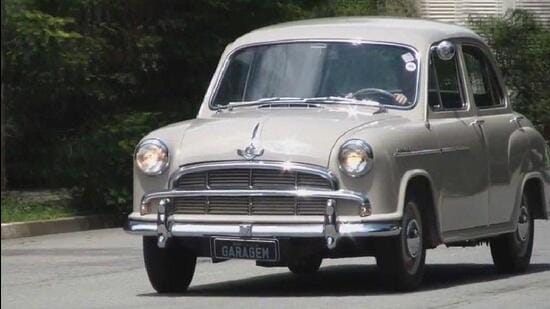
“MoRTH has taken initiatives to discourage the use of old vehicles by introducing a scrapping policy. At the same time, to preserve and promote the heritage of old vehicles in India, the centre has formalised the registration process of vintage motor vehicles,” said Dipti Ranjan Patra, joint commissioner transport, technical.
“The new rules would provide salient features such as retention of old already registered vehicles with a new Vintage registration mark “VA” series (Unique Registration Mark),” she added.
Also Read: Odisha Police Recruitment: Apply for 4790 constables post at odishapolice.gov.in
Under the CMV, 50 years old vehicles (two-wheelers and four-wheelers) from the date of their first registration would be defined as ‘vintage motor vehicles’. Moreover, vehicles with no substantial overhaul, including modification in chassis or body shell, and/or engine will be considered vintage, as per the rule.
The application for registration/re-registration would be made as per ‘Form 20’ and shall be accompanied by an insurance policy, fee, bill of entry in case of imported vehicles, and old RC in case of an already registered vehicle in India, officials informed.
The state registering authority would issue a certificate of registration as per ‘Form 23A’ after inspection of the vehicle and subject to the condition that the vehicle is fit & has valid PUC and will cost the owner ₹20,000 giving a validity of 10 years. Subsequently, the renewal of said registration will cost the owner an additional ₹5,000 and shall be renewable for a period of 5 years.
Once the vehicle is registered as ‘vintage’, it would not be allowed to be driven on roads for regular/commercial purposes. “A vintage motor vehicle is allowed to run on Indian roads only for display, technical research or taking part in a vintage car rally, refuelling and maintenance, exhibitions, vintage rallies.”
After the owner of the vintage motor vehicle is issued a vintage number, they can also sell their vehicle by applying for transfer of ownership of the motor vehicle in the manner as provided under the Motor Vehicles Act, 1988.