E-Paper



Odisha govt bans cannabis use at shrines of Lord Shiva
The Odisha government’s directive came following an appeal by social activist Padmashri Baba Balia on banning cannabis at shrines of Lord Shiva

 Prefer HTon Google


The Odisha government on Tuesday prohibited the use of cannabis at all Lord Shiva shrines across the state, officials said. The move comes ahead of the Kanwar Yatra in monsoon months.
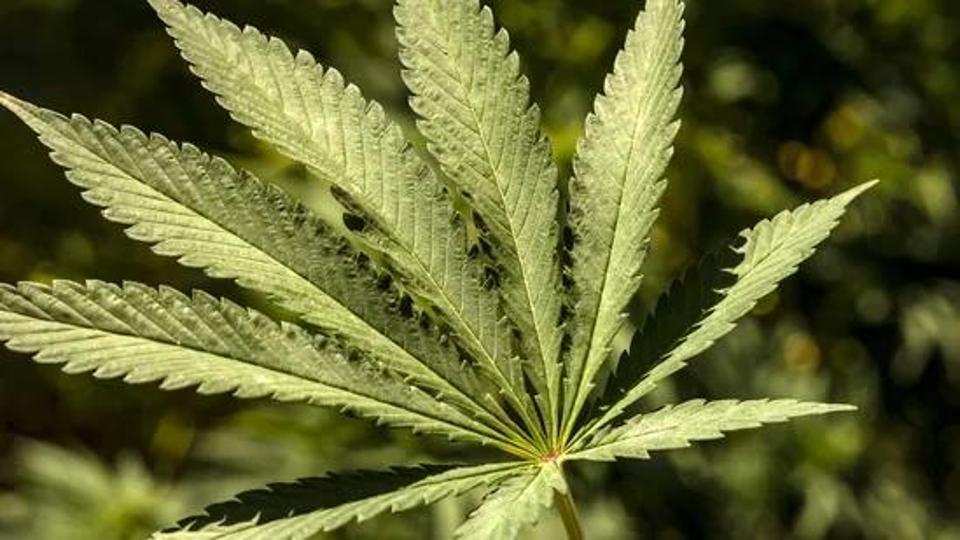
In a letter to all the district collectors and superintendents of police, director of the Odia Language Literature and Culture department, Dilip Routray asked the officials to take necessary measures to stop the use of cannabis at the shrines of Lord Shiva. The state government directive came following an appeal by social activist Padmashri Baba Balia on banning the same at shrines of Lord Shiva.
“I had written a letter to the government requesting a ban on Ganja at Shiva shrines. Cannabis can be offered as offering at the shrine but should not be distributed among devotees for consumption. The ban will curb health hazards among the youth,” said Baba Balia.
Cannabis believed to be the loved substance of Lord Shiva has been an integral part of religious celebrations on Shivaratri as well as Shravan Purnima when devotees smoke cannabis (musky flavoured dried flowers of cannabis plant) and drink bhang ( a drink made from ground leaves and flowers from the female cannabis plant, spices and milk).
Bijay Kumar Das, chief servitor of the Akhandalamani temple of Aradi in Bhadrak district, where bhang is mixed with the holy prasad everyday, said that he was dismayed by the ban. “Bhang is used during the ‘Gharsana’ ritual of our temple and this is a century-old tradition. However, we will hold discussions with the officials if we can still use a small portion,” he said.
In Bhubaneswar’s Lingaraj Temple, a senior priest said no devotee is encouraged to offer bhang at the shrine. “Some devotees may be offering on their own. I feel the government should not have waded into matters of religion,” said the priest.
In Odisha, bhang is legally avaliable, while cannabis is illegal as per the Narcotic Drugs and Psychotropic Substances (NDPS) Act, 1985.
A household sample survey on substance abuse conducted by ministry of social justice and empowerment between December 2017 and October 2018 among people between the age group of 10-75 years found that after alcohol, the second most commonly used substance was cannabis and opioids. The survey found that 4.9 lakh people in the state need help for cannabis-related problems.