E-Paper



One-third of Delhi’s PM2.5 is ammonium sulfate: Study
A 2025 Harvard-led study, conducted by researchers from Harvard TH Chan School of Public Health, found that sulfate particles, including ammonium sulfate, were among the strongest contributors to asthma hospitalisations.


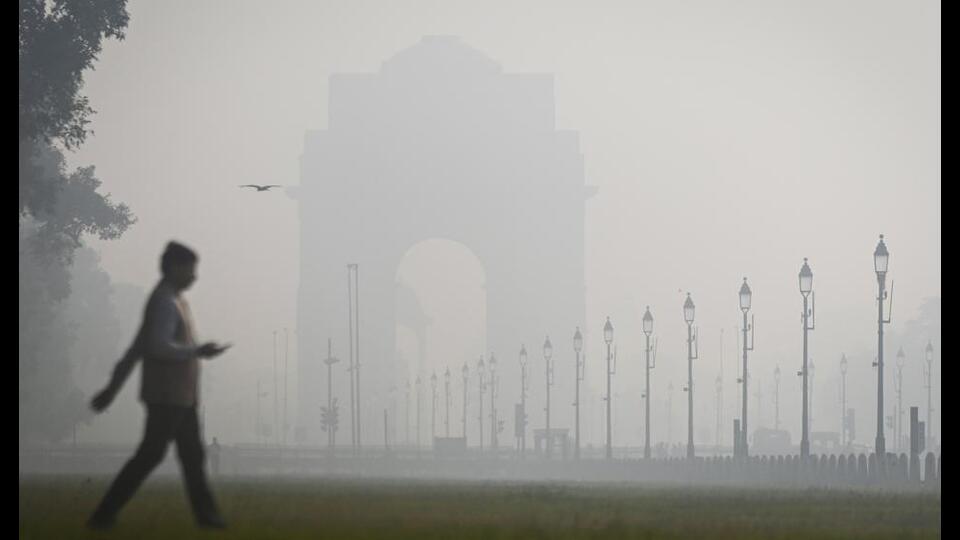
New Delhi: Nearly one-third of Delhi’s annual PM2.5 pollution consists of secondary ammonium sulfate, according to a recent analysis by the Centre for Research on Energy and Clean Air (CREA). Health researchers warn that this component of air pollution may be more harmful than overall PM2.5 levels, with strong links to asthma and acute cardiac events.
A 2025 Harvard-led study, conducted by researchers from Harvard TH Chan School of Public Health, found that sulfate particles, including ammonium sulfate, were among the strongest contributors to asthma hospitalisations. The study reported a 10.6% increase in asthma hospital admissions among children for every decile increase in the sulfate-heavy pollution mixture. Researchers noted that sulfate particles were more strongly associated with asthma risk than several other PM2.5 components.
In addition to respiratory effects, cardiovascular risks are also significant. A December 2024 study published in Nature Communications examined the impact of PM2.5 components on acute coronary syndrome (ACS) across multiple urban regions. The study found that sulfate particles showed a stronger per-unit association with ACS onset than total PM2.5 mass, indicating that even smaller increases in sulfate pollution can sharply raise the risk of heart attacks.
Doctors in Delhi say these findings align with clinical trends. Dr Ashok added that in Delhi over the last decade with the increase in pollution doctors are also witnessing an increase in patients frequently complaining of nasal congestion, runny nose and reduced lung capacity, symptoms increasingly seen even in those without prior illness. While individual preventive steps such as masks and air purifiers can reduce exposure, he said these are not accessible to large sections of the population.
“Air pollution must be addressed as a national priority like many other issues as multiple studies and ground reports now show it is directly costing lives. This problem cannot be solved through isolated actions or blame,” he said.
With ammonium sulfate emerging as a dominant and highly harmful component of Delhi’s air, researchers say the findings underscore the need to urgently curb sulphur dioxide and ammonia emissions.