
 E-Paper



Pet poops in public? ₹500 fine if left unattended, warns Varanasi Nagar Nigam
Among the 33-point provisions, one of the key rules specify that if any pet animal defecates in the open, the owner must collect the faeces and dispose of it at home through a faecal vehicle.

 Prefer HTon Google


In an effort to promote cleanliness in Kashi, the Varanasi Nagar Nigam on Monday implemented the Uttar Pradesh Solid Waste Management and Sanitation Rules, 2021.
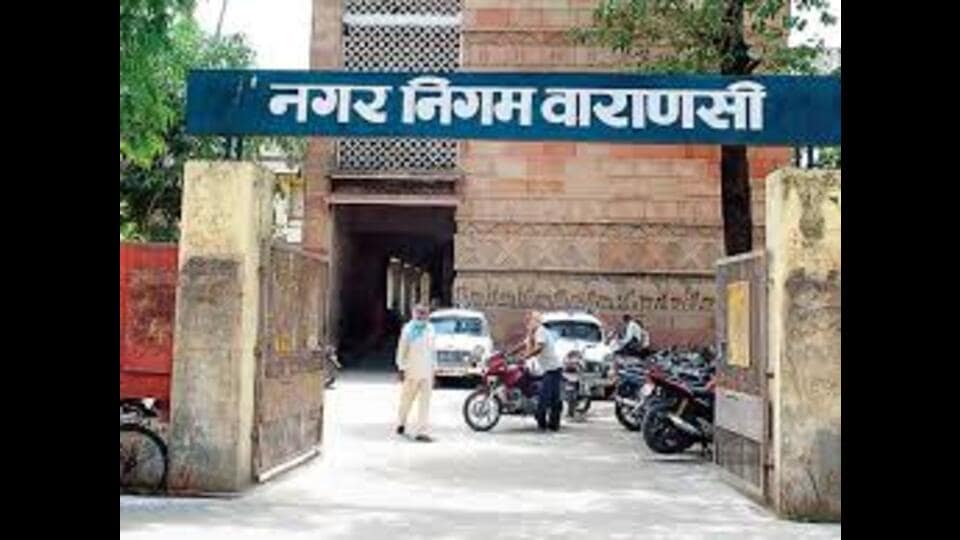
Among the 33-point provisions, one of the key rules specify that if any pet animal defecates in the open, the owner must collect the faeces and dispose of it at home through a faecal vehicle. Failure to comply will result in a penalty of ₹500.
Municipal commissioner Akshat Verma formally launched the implementation of the new rules during a meeting with all department heads. The rules booklet was distributed to zonal officers, engineers, health inspectors and revenue officials, with clear instructions to ensure strict enforcement and impose penalties on violators.
According to the municipal commissioner, if any citizen, organisation, or institution repeatedly violates the rules, they will face repeated fines, and persistent offenders may face FIRs.
Public relations officer Sandeep Srivastava confirmed through a press communique that the Sanitation Rules 2021 are now fully in force in the city. The Nagar Nigam has empowered officials to collect on-the-spot fines under Section 46 of the Rules.
Key provisions and penalties under the rules
Allowing pets to defecate in public places without cleaning up will invite a fine of ₹500. Littering on roads, in parks, or in public spaces will result in a ₹500 fine. Throwing garbage or puja materials into rivers, drains, or other water bodies will lead to a ₹750 fine. Littering near educational institutions, hospitals, religious places, or heritage sites will attract a ₹750 fine. Spitting, urinating, or leaving food for animals in a manner that causes littering will incur a ₹250 fine. Throwing waste from vehicles will result in a ₹1,000 fine.
The use of banned plastic, thermocol, or any other restricted material will attract an on-the-spot fine under the relevant Act. Burning or burying waste will lead to a ₹250 fine, while transporting uncovered waste in trucks or other vehicles will result in a ₹2,000 fine. Dumping construction and demolition waste in drains, roads, or public spaces will incur a ₹3,000 fine. Organising public events without providing waste bins will attract a ₹2,000 fine.
For unsegregated waste disposal, a ₹200 monthly fine will be imposed on households, ₹2,000 for each violation involving construction waste, ₹200 for garden waste, ₹750 per month for meat or fish waste, and ₹1,000 per week for bulk waste generators. Unauthorised waste collection without registration will result in a ₹500 fine.
Under the provisions related to drains and sewers, discharging harmful materials into drains or blocking sewer lines will invite a ₹500 fine. Discharging untreated industrial effluents will lead to a ₹5,000 fine. Allowing manual work in sewage systems without proper safety gear will also attract a ₹5,000 fine. Maintaining unhygienic premises that could cause disease will result in a ₹5,000 fine. Vendors keeping unsegregated waste at their stalls will be fined ₹25 per day.
Dumping waste from outside the city limits within municipal boundaries will lead to a fine of ₹1,000 per day, along with recovery of cleanup costs. Damaging municipal property or infrastructure will attract a ₹2,000 fine and recovery of damages. Improper disposal of human or animal carcasses in rivers, drains, or reservoirs will result in a ₹3,000 fine.
The Municipal Commissioner reiterated that repeated violations will invite escalating penalties, and persistent offenders may face legal action through FIRs.
Additional municipal commissioner Savita Yadav, Sangam Lal, municipal health officer Dr SK Chaudhary, general manager (Jalkal) Anoop Singh, chief engineer RK Singh, zonal officers and other officials attended the meeting held to implement the new rules.


