
 E-Paper



Rainfall triggers serpent infiltration, 85 rescued so far this month
The spike, according to wildlife experts, is linked to heavy rainfall and unplanned construction, which is driving snakes out of their natural habitats into homes, residential sectors and even government institutions

 Prefer HTon Google


Gurugram: Gurugram has logged a surge in snake sightings this monsoon, with 85 snakes rescued across the city so far in July, wildlife officials said on Thursday. With a week still left for the month to get over, this is the highest number of snake rescues reported in a single month this year, they added.
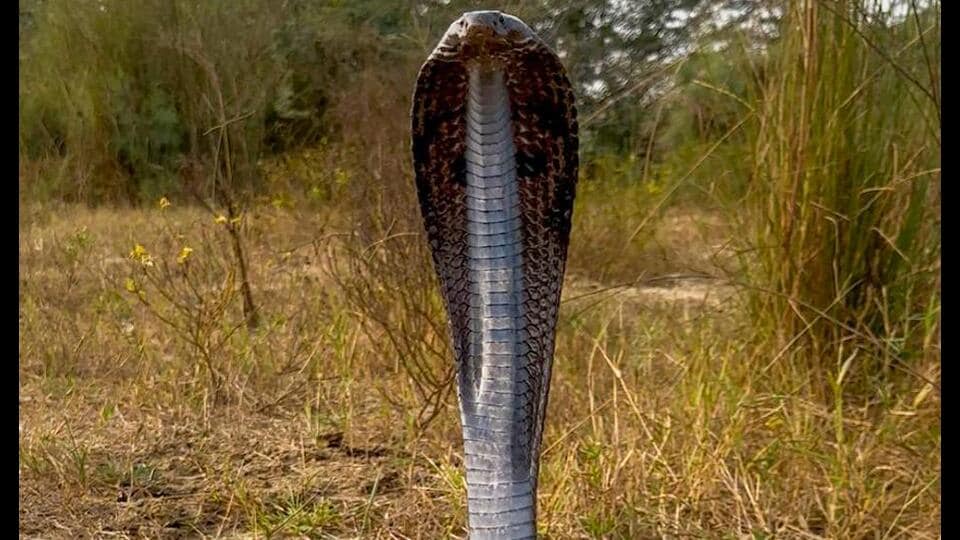
The spike, according to wildlife experts, is linked to heavy rainfall and unplanned construction, which is driving snakes out of their natural habitats into homes, residential sectors and even government institutions.
Anil Gandas, a city-based wildlife rescuer who has conducted thousands of rescues since 2011, said this has been his most intense month in recent years. “The majority of the calls are from the Dwarka Expressway stretch, especially sectors 107, 108, 84, 112, 110A, 99A, 101, 102, and 106. These areas were once agricultural land but are now under heavy construction. I have already rescued 85 snakes this month and expect the numbers to rise further till October.”
According to Gandas, snake rescue numbers this year have risen steadily: 13 in January, 8 in February, 7 in March, 16 in April, 29 in May, 38 in June, and 85 so far in July. The trend, he warned, is expected to continue till the end of the monsoon season.
Snake rescues have also been reported from government institutions. At the Government Senior Secondary School in Dhankot, a common kukri and an Indian rock python were safely removed earlier this month.
In one particularly striking rescue at Surya Vihar in Dhanwapur village, 13 kraits—including 11 hatchlings and two adults—were found inside a dried-up water tank in a house, he said. “This was a rare and risky case. The presence of a snake family inside a home could have turned dangerous had it not been reported in time,” he added.
In another case, Deepak Ahlawat, a resident of Sector 109, had a scary experience when a common krait, one of India’s most venomous snakes, was found curled up inside his kitchen cabinet. “It was late evening, and I had just walked into the kitchen when I noticed something moving. I froze. It was a snake—just inches from where I keep my utensils. I immediately called for help,” he said. “Had I not seen it in time, it could have been fatal. It was a narrow escape.”
In Daulatabad, Kavita Sharma found a snake inside her bedroom, hidden near the bed. “I was about to lie down when I saw a movement from the corner of my eye. When I turned on the light, I couldn’t believe what I saw—a snake right next to the bed. I screamed and rushed out,” she said. “We always hear about these incidents, but when it happens in your own home, it’s terrifying.”
Among the species rescued this month are spectacled cobras, common kraits, Indian rock pythons, rat snakes, Indian sand boas, red sand boas, wolf snakes, and common kukri snakes.
Forest officials have confirmed that over 100 snakes have been rescued from the Dwarka Expressway zone alone this year and have been released into the Aravalli Forest.
Divisional forest officer (DFO) Ram Kumar Jangra said a coordinated response mechanism is in place. “We have created a network of volunteers, officials, and NGOs who respond to alerts. Anil Gandas leads most rescue operations and is familiar with all the vulnerable areas. Our team’s contact numbers are available with residents, and we are on standby,” he said.
Last year, Gandas carried out more than 1,200 snake rescues in Gurugram. This year, if the current pace continues, that record may be broken. Officials have urged residents to avoid handling or provoking snakes and to immediately contact professional rescuers in case of a sighting.
Wildlife experts say the spike is a clear signal of ecological imbalance and a need for better habitat planning in developing areas. Gurugram residents have been advised to seal water tanks, inspect storage areas, and call professionals in case of sightings instead of attempting to remove the reptiles themselves.


