
 E-Paper



Residents of 44 localities in Meghalaya’s capital consume toxic water: Report
A report from the State Food Testing Laboratory in Meghalaya's capital Shillong has revealed that residents in 44 major localities are consuming hazardous water. The water samples from these localities showed the presence of harmful organisms and high levels of iron, indicating that the water is unsafe to drink. The government has called for an emergency review meeting to address the issue.

 Prefer HTon Google


The reisdents of 44 major localities of Meghalaya’s capital Shillong are consuming hazardous and pernicious water, a report of the State Food Testing Laboratory, under the Commissionerate of Food Safety, has revealed.
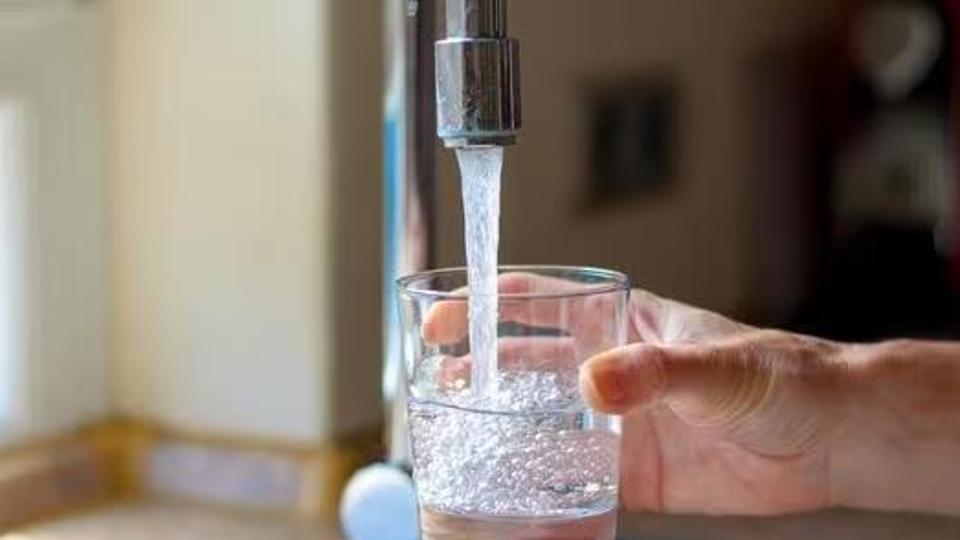
Water samples from 46 localities within Shillong were collected by the Federation of Khasi Jaiñtia and Garo People (FKJGP), a citizens’ body of the state’s three major tribes, on August 22 and sent for testing after concerns were raised by the public about the quality of drinking water.
As per the report, only two localities, Demthring and Mawblei were marked “safe”.
According to the report, water samples from 44 localities showed presence of Coliform and E. coli organisms with low pH value, high turbidity, and iron content above the prescribed limit, which clearly indicated that the water collected and tested in these localities is unsafe water as per the Food Safety and Standards Authority of India (FSSAI) standards.
The FKJGP said that detection of low pH value in these water samples collected indicates that the water is acidic in nature. As per FSSAI standards, the normal pH value of drinking water ranges from 6.5 to 8.5, respectively. Below 6.5, the water is said to be acidic in nature.
It said that as per research, when acidic water passes through water pipes, it can corrode and damage them and if the pH of the water is extremely low, it can even start to dissolve the copper from the metal pipes. The organisation said that it is concerned that if copper enters drinking water, it can lead to kidney or liver damage.
Though the presence of iron can be beneficial to health, excessive iron in drinking water may have negative effects, which can cause diabetes, hemochromatosis, stomach problems and nausea and damage healthy skin cells which may result in early onset of wrinkles.
Besides, high iron content damages the liver, pancreas, and heart and high turbidity in drinking water can harbour microbial pathogens, which can be attached to particles and impair disinfection.
The presence of faecal coliforms in water indicates that faecal contamination of water by a warm-blooded animal has occurred and this may cause several intestinal diseases in humans, the organisation said.
Pathogen like E coli can cause several diseases like Diarrhea, hemorrhagic colitis, hemolytic uremic syndrome, respiratory illness, pneumonia, and other illnesses and can also cause illnesses such as meningitis, septicemia, urinary tract, and intestinal infections which may be fatal in small children and the elderly and may even result in high mortality rate.
The test reports of the water samples collected at random were also submitted to the state government with a call to address the concerns and take immediate steps to ensure safe and clean drinking water for the people.
“Our only concern is that authorities like the Municipal Board and PHE (Public Health Engineering) Department including localities representative to kindly work together for the safety of the citizens,” the FKJGP said.
HT sought a response from the government, but no official statement has been issued on the matter. However, people familiar with the matter said that the government has taken serious note of this matter and has called for an emergency review meeting on Wednesday.
The people said that regular tests are being conducted by the state PHE department. Besides, there are over 1,000 storage tanks, some operated and managed by the PHE, and some by the Shillong Municipal Board (SMB), and some by localities also.
“But since this has come to light, we will be asking for a complete report on all the tanks and take necessary measures where we find there are issues. So, we will verify the report and take it seriously and take necessary steps for verification from our end,” chief minister Conrad K Sangma said, as quoted as telling a high-level meeting that was convened late Tuesday evening.


