
 E-Paper



SC accepts PIL seeking action against non-prescription of generic meds
The petition also calls for the National Pharmaceuticals Pricing Authority to establish a pricing mechanism that takes manufacturing costs into account.

 Prefer HTon Google


AGRA In response to the PIL filed by an Agra-based lawyer, the Supreme Court has directed the issuance of notices to respondents. The PIL seeks stringent disciplinary actions by the Ethics and Medical Registration Board, as well as the State Medical Councils, against registered medical practitioners who do not prescribe generic alternatives to branded names.
The writ petition also calls for the National Pharmaceuticals Pricing Authority to establish a pricing mechanism that takes manufacturing costs into account. This mechanism aims to protect buyers from being overcharged or exploited by medical establishments relying on inflated MRPs.
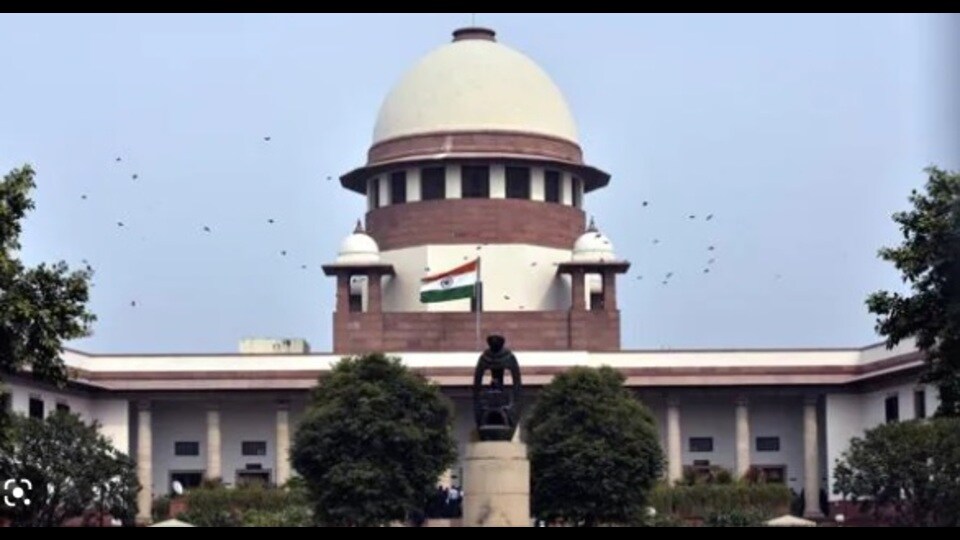
The Supreme Court bench -- comprising Chief Justice DY Chandrachud, Justice JB Padriwala, and Justice Manoj Mishra -- has informed that notices will be issued regarding the Writ Petition (Civil) 793 of 2023, as stated by the petitioner, KC Jain.
KC Jain, the petitioner, emphasises that despite the Medical Council of India (MCI) requiring doctors to prescribe generic medicines since 2002, a span of 21 years, branded medicines are still commonly prescribed. This practice results in increased costs for patients compared to generic alternatives.
Jain further highlights that only 20% of drugs fall under the Drug Price Control Order (DPCO), failing to address pricing for the remaining 80%. This situation forces patients to pay elevated prices for medicines.
Explaining the PIL filed with the Supreme Court, Jain points out that access to affordable medicines plays a pivotal role in ensuring effective healthcare delivery and upholding the right to health. He notes that generic medicines, containing the same active ingredients as branded versions but without the associated brand name, are often significantly more affordable, with price differences ranging from 50% to 90%.
Jain’s petition also underscores the necessity of medicines for the right to life, but high costs restrict access for economically disadvantaged individuals. He cites MCI regulations from 2002 and subsequent communications advocating generic medicine prescriptions, as well as amendments made in 2016, emphasising the importance of doctors prescribing generic medicines. Despite these measures, the practice is not consistently followed nationwide.
The PIL raises concerns about the pricing of scheduled and non-scheduled drugs as per the DPCO. While scheduled drugs are subject to price control, non-scheduled drugs lack a fixed procedure for pricing, allowing manufacturing companies to set significantly higher MRPs. The petition calls for government intervention in regulating the prices of non-scheduled drugs. Jain adds that the matter is scheduled for a hearing on October 6, 2023.


