E-Paper



Temperature continues to plummet in Delhi, coldwave may hit soon
According to the India Meteorological department’s (IMD), isolated coldwave conditions are expected in Delhi till Wednesday, and minimum temperatures are likely to remain 2-3°C below normal at most places till the weekend. In isolated pockets, it may even go up to 5°C below normal.


New Delhi: Mercury continued to plummet on Monday, with the city’s base station, Safdarjung, recording a minimum temperature of 10.4°C, four degrees below normal and the lowest so far this winter season.
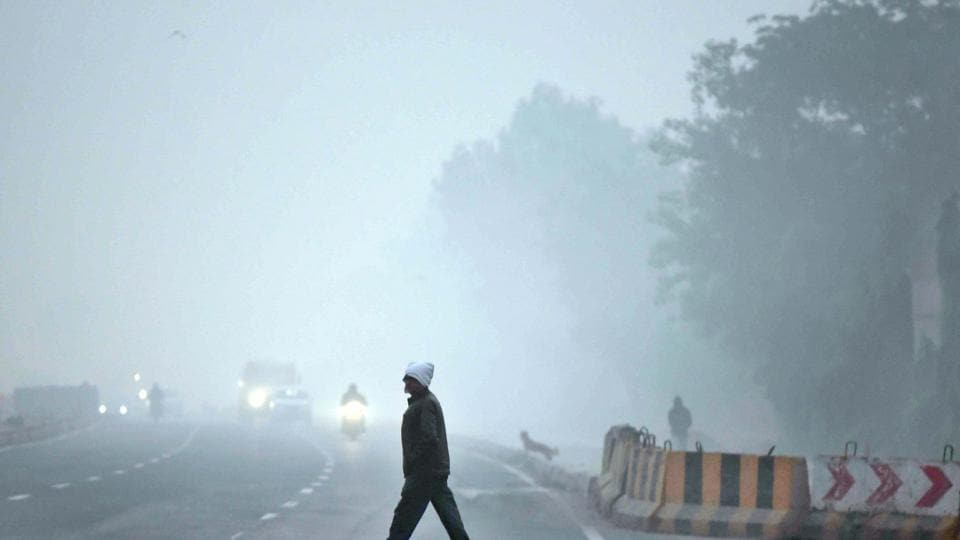
In surrounding areas, the minimum temperature was even lower — 8.5°C at Sikar, 9.6°C at Churu, 9.8°C at Bhiwani, and 9°C at Alwar.
The maximum temperature at Safdarjung was, meanwhile, 27.5°C, two degrees below normal. It is likely to stay between 26 and 28°C on Tuesday.
According to the India Meteorological department’s (IMD), isolated coldwave conditions are expected in Delhi till Wednesday, and minimum temperatures are likely to remain 2-3°C below normal at most places till the weekend. In isolated pockets, it may even go up to 5°C below normal.
In some isolated pockets on Monday, the minimum temperature dipped even below 10°C, with southwest Delhi’s Ayanagar recording a low of 9.9°C – six notches below normal. However, coldwave conditions were not declared in the capital. A cold wave is considered when the minimum temperature is below 10°C, with the temperature departure (difference in actual and average temperature for a given time) being 4.5°C or more below normal.
“Since only a single station saw mercury dipping below 10°C, cold wave conditions were not declared for Delhi. However, it will be if this criteria is met for two consecutive days,” said and IMD official, adding that the minimum temperature is likely to stay between 10-12°C on Tuesday and possibly between 9-11°C on Wednesday.
Officials said a combination of cold northwesterly winds and clear skies were leading to a dip in temperature. “Cold northwesterly winds are leading to a gradual dip in temperature. We also have clear skies, which impact minimum temperature as any heat accumulated during the day is lost rapidly at night,” said Mahesh Palawat, vice president at Skymet.
IMD data shows that Delhi’s lowest minimum temperature for November in the last few years was: 9.5°C in 2024, 9.2°C in 2023, and 7.3°C in 2022.
The data also showed that Safdarjung recorded four cold waves in November 2020, but none between 2021 and 2024 for the same month.