
 E-Paper



Varanasi ropeway project: Station facade etchings to showcase city’s heritage, craftsmanship
The carvings on Chunar sandstone being installed at the ropeway stations mirror the architectural style of Varanasi’s ancient buildings

 Prefer HTon Google


The urban transport ropeway, which is likely to start operations soon, will showcase Varanasi’s religious, spiritual, and cultural heritage.
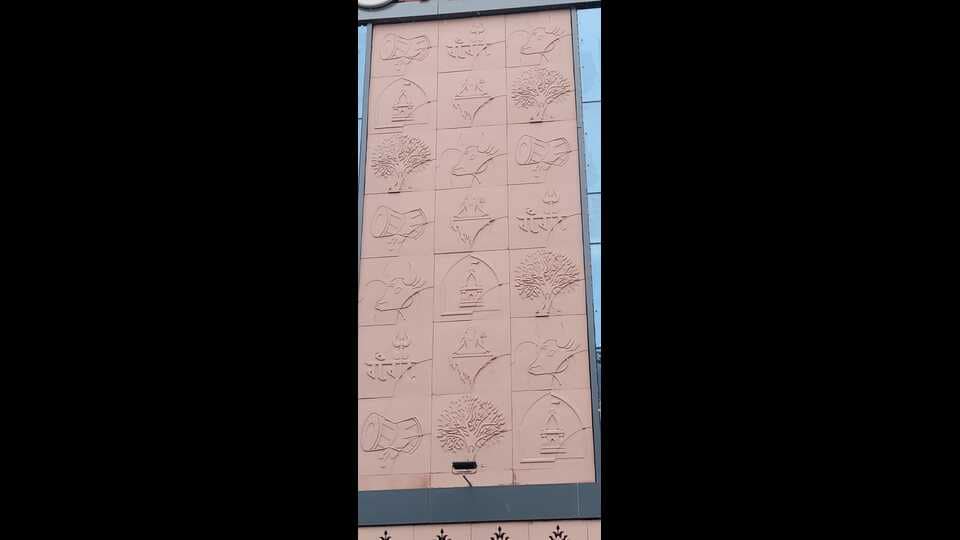
Artwork has been done on the walls and facades of the ropeway stations so that the tourists get a feel of Varanasi’s rich religious and cultural heritage. Symbols like the cow, the Ganga river, the Trishul, and the Damru have been carved out. Lord Buddha’s spiritual legacy, Sarnath, where Lord Buddha gave his first sermon, has also been carved out at the stations. Images of the Ganga and Varanasi’s historic ghats (riverfront steps) are also being etched onto the station walls.
The carvings on Chunar sandstone being installed at the ropeway stations mirror the architectural style of Varanasi’s ancient buildings, showcasing the city’s rich heritage and craftsmanship.
Of the five ropeway stations--Cantt Ropeway Station, Vidyapith Station, Rath Yatra Station, Girjaghar Station, and Godowlia ropeway Station - construction of the three is nearly complete, while work on the second section—extending up to Godowlia Station—is progressing rapidly.
Purna Borah, vice-chairman, Varanasi Development Authority, stated that Varanasi is renowned worldwide for religion, spirituality, culture, and art. Keeping these attributes in mind, the identity of Varanasi is being incorporated into the designs of the ropeway stations and gondolas. Glimpses of Varanasi’s unique traditions, handicrafts, spirituality, music, and religious heritage will be visible at all the stations.
Once the ropeway becomes operational, approximately 3,000 people will be able to travel in one direction per hour. The project will operate 148 trolley cars, with each trolley capable of accommodating 10 passengers. Plans are in place to operate the ropeway for approximately 16 hours daily.


