
 E-Paper



105 killed in 2022 as man-animal conflict reaches its peak in Maha
The man-animal conflict was at its highest during 2022 when over 100 humans lost their lives in Maharashtra, even as wildlife conservation remains a top priority and the department faces various complex challenges especially with the rising cases of human-wildlife conflict

 Prefer HTon Google


The man-animal conflict was at its highest during 2022 when over 100 humans lost their lives in Maharashtra, even as wildlife conservation remains a top priority and the department faces various complex challenges especially with the rising cases of human-wildlife conflict.
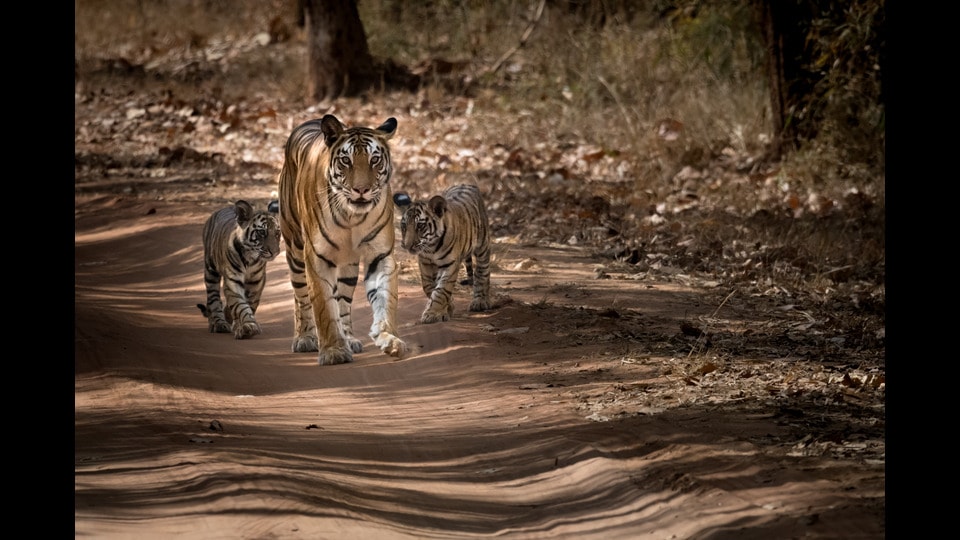
According to the data shared by the forest department, the number of people who have died during such conflicts has gone up since 2019. The data shows that a total of 39 people across the state died during 2019, while in 2020 this number was reported to be 87.
In 2021, 84 people died due to human-wildlife conflict and in 2022 this number increased to 105, the forest department data revealed. Majority of these deaths were reported from Vidarbha region of Maharashtra where most were victims of tiger attacks.
During this period, the compensation given for man-animal conflict and crop damage caused due to wildlife too increased.
The data shows that in 2019-20 the total compensation given for such incidences across the state was ₹7,035 lakhs which increased to ₹8,022 lakhs in 2020-21. The compensation given during 2021-22 was ₹8,004 lakhs which further increased to ₹8,137 lakhs in 2022-23.
Speaking on this issue, former principal chief conservator of forests (wildlife), Maharashtra, Sunil Limaye said, “Addressing the man-animal conflict is currently the most important task for the forest department. This is also a reminder of the human encroachment on the wildlife habitats forcing animals to come out in search of food and shelter.”
Limaye highlighted that during such conflicts it is not just people who are affected but the animals too are at the receiving end as they are then captured and sentenced to a life inside enclosures. Data shows that in 2019-20 two tigers were imprisoned, which increased to five in 2020-21 and 2021-22, while in 2022, a total of seven tigers were imprisoned.
“A growing tiger population is an indicator of a good ecosystem. The government of Maharashtra has instructed high conservation efforts and for its success it is important that all stakeholders work together,” said Limaye. He emphasised that in the years to come it will be more and more important for people to realise the importance of coexisting with the wildlife and for this it is important to sensitise people on how to deal with wildlife.
Rahul Patil, deputy conservation officer said, “Man animal conflict is taking place due to rapid urbanisation and concretisation. We have destroyed their habitat and forest department is taking steps to restore and protect their lost habitat.”
Earlier on December 15, Maharashtra minister for forest Sudhir Mungantiwar while commenting on growing instances man-animal conflict had asked officials to take steps to prevent such instances. “These man-eating tigers must be trapped immediately else the officer will have to face suspension,” he had said as the tiger from Chandrapur had killed two humans.


