
 E-Paper



Around 25 leopards moving freely within PMC, PCMC limits
Of late, there have been several incidents of leopard sightings in and around human settlements within the Pune Municipal Corporation (PMC) and Pimpri-Chinchwad Municipal Corporation (PCMC) limits

 Prefer HTon Google


Based on calls of sightings received from different localities in Pune and Pimpri-Chinchwad, there are likely to be around 25 leopards in and around human settlements in both cities according to the Pune forest department. While the department has not conducted an official survey, vigilance has been increased in both cities, said Mahadev Mohite, deputy conservator of forests, Pune forest division.
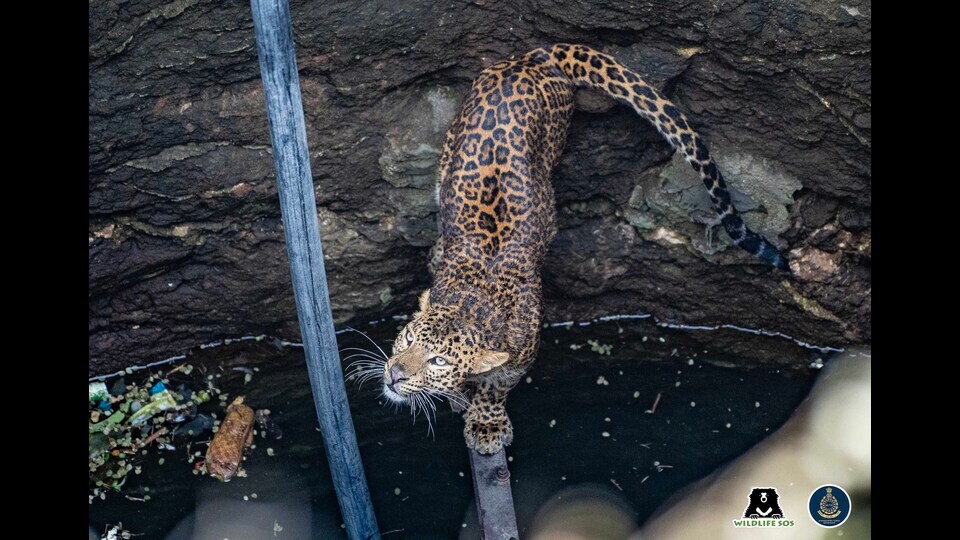
Of late, there have been several incidents of leopard sightings in and around human settlements within the Pune Municipal Corporation (PMC) and Pimpri-Chinchwad Municipal Corporation (PCMC) limits. As recently as Thursday, a young leopard was rescued from the Chikhali area in Chinchwad which is densely populated by humans.
Mohite said, “Leopards have a significant presence in the city areas. Both the Indrayani and Mula-Mutha rivers as well as large water bodies are among the hotspots where leopards can be seen as these water bodies and the vegetation around them provide safe passage to the leopards to roam around.”
Also, prey such as goats, dogs, cats and other small animals is easily available in and around human settlements apart from the absence of other natural predators which has resulted in a surge in the number of leopards in city areas. Most of these leopards are new-age leopards and are habituated to feeding themselves on domesticated/stray animals found in and around human settlements. Relocating them to forests is not an option as they may not be able to survive. In forests, the leopard survival rate is low as there are many other natural predators and constant fights erupt for survival, said Mohite.
About the forest department’s preparedness for man-animal conflicts, Mohite said, “Although the human-leopard conflict in city areas is not new for the forest department, it was mainly restricted to rural areas earlier. However, city areas are also experiencing such conflict situations these days, therefore the department is gearing up to handle such situations in urban areas as well. Currently, we have sufficient tranquilisers. The department owns three rescue vans and vans from the RESQ Charitable Trust are also available for such operations. Regular training is being provided to all forest officials throughout the year to deal with such conflict situations. We have also appointed at least one Rapid Rescue Team (RRT) which is involved in actual rescue operations, and also the Primary Response Team (PRT) which is mainly responsible for crowd control and management during rescue operations and awareness programmes during non-operation time. The PRT is a combination of both forest officials and volunteers from local areas.”
When a leopard is spotted in areas populated by humans, panic erupts among the humans as well as in the wild animal. If not handled carefully, the situation may get complicated as there is a chance that the crowd may become uncontrollable, or the animal may become aggressive out of a need to defend itself. Therefore, people’s support is crucial in such a situation. Mohite said, “After spotting a wild animal in their area, people should first maintain a safe distance from that animal and ensure their own safety. They should then immediately inform the forest department.”


