
 E-Paper



Battle for Taljai hill: Do not hold development to ransom when “destroying” an ecological sanctum
The recent proposal of “development” of over a hundred acres of Taljai hill has met with fierce opposition from local citizens of the Sahakarnagar-Taljai area and the environmentally-conscious citizens across the city


Hills in and around Pune are a matter of pride and love for Punekars. These hills, covered with greenery and rich biodiversity, and work as lungs for the city.
They absorb pollution and help make the city a pleasant place to live in. Over the years, we have seen frequently that the hills are being targeted under the schemes of “development”. Taljai hill is no exception. The recent proposal of “development” of over a hundred acres of Taljai hill has met with fierce opposition from local citizens of the Sahakarnagar-Taljai area and the environmentally-conscious citizens across the city.
Tight from the onset I would like to emphasise that we are NOT against development. But, we do question the intentions of the government and the policymakers. I grew up in Sahakarnagar, and over the years I have seen the degradation of the Taljai hill. Wide concrete roads were built, food stalls were installed, buildings were constructed. Unfortunately, despite the opposition by the locals and the concerns raised by the environmentalists back then, these projects were pushed through by the decision-makers, without wider public consultations and participation.
The recent proposal is outrageous for many reasons. The first and foremost concern is that the Detailed Project Report (DPR) of this proposal has NOT been made public yet. The proposal is already on the Standing Committee’s agenda, and still, the public at large is kept in the dark about the plan. This looks extremely suspicious. Hence, the issue is not only about the environment, but also about the governance, lack of transparency, and lack of public participation.
Now let’s see what exactly is proposed in this new plan for Taljai. Construction of a food plaza, parking areas, a sports complex, another sports complex for women, schools, and an adventure park are the projects which will directly result in the concretisation of a large area. Different kinds of gardens are also a part of this proposal. The whole project will first destroy the existing natural ecology and biodiversity on the hillslopes and then the Pune Municipal Corporation (PMC) will spend a lot of money on tree plantations, landscaping and maintaining the gardens.
This is exactly like cutting down trees and then installing wooden artificial nests for birds!
Now let’s address the question of “development”. Here, I would like to reiterate that the citizens are NOT opposing sports complexes and schools, but they are opposing these projects on Taljai hill. The location is the problem, not the proposed infrastructure.
For public utilities like schools, gardens and grounds, the city Development Plan has reserved land called amenity spaces. There are about 270 spaces in the city which are still unused. The total area of these unused spaces is around 123 acres.
Imagine converting even 2/3rd of this area into urban forests and gardens. The city will have an additional green area without touching the already existing ecology and biodiversity. Instead of spending Rs120 crore on the proposed Taljai project, the PMC needs to focus on using that money to develop those amenity spaces for schools, gardens, playgrounds, urban forests. Most of the amenity spaces do not have a rich biodiversity like the one on Taljai. So converting those into urban forests is a far better idea than destroying an already existing ecology.
To summarise, we demand transparency in the processes of such projects, wider public consultations and participation, deeper analysis of the environmental impact and alternatives, and making these findings public.
The real battle is not between the environment and development; but it is between transparent, inclusive governance and sustainable development on one side, and arbitrary ideas of governance on the other.
We must save Pune’s hills to save Pune. This is a long and complex battle and I’m sure that the citizens shall endure it.
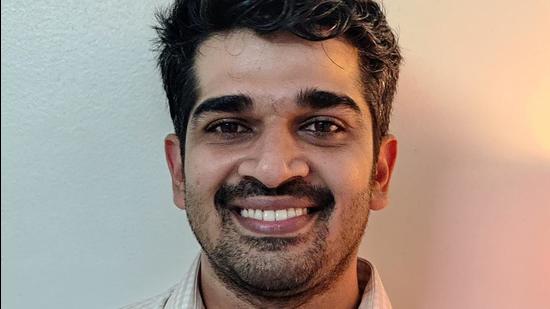
The writer is a resident of Sahakarnagar.
- As told to Prachi Bari


