
 E-Paper



Hospitals in Pune with up to 50 beds can operate with combined consent for STPs
Dr Kalpana Baliwant, health officer of Pune Municipal Corporation, said, a list of hospitals has been given to the electric department of PMC and the STPs will be incorporated in the existing available spaces


In an order issued on July 2, the Maharashtra Pollution Control Board (MPCB) made it mandatory for healthcare facilities with 51 or more beds to incorporate Sewage Treatment Plants (STPs). However, the Indian Medical Association (IMA) claim healthcare facilities that generate less than 100 kiloliters of output discharge should be also exempted from the rule.
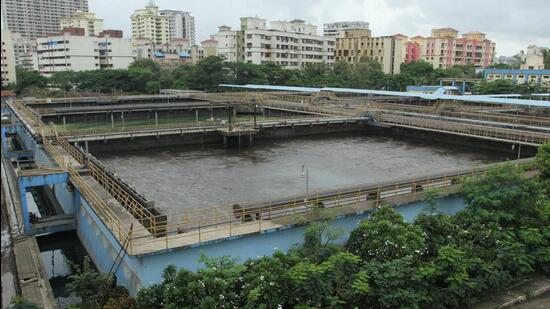
The IMA had met Dr Avinash Dhakne, member secretary of MPCB last year in September and requested to provide some relief to small and medium hospitals to have STPs. The board in its meeting held on 13 June considered an exemption for installation of Sewage treatment plants (STPs) in Health Care Establishments.
The circular issued by the board on 2 July, stated, “Healthcare facilities with a bed capacity of up to 50 will be granted combined consent and BMW authorization without the necessity of installing individual Sewage treatment plants (STPs). However, in Pune, not all public and private hospitals can fulfil the criteria. It has become a cause for concern given the non-availability of space and facilities to set up STPs in several hospitals.”
“Even non-bedded healthcare facilities are required to dispose of infectious liquid wastes only after treatment by disinfection as stipulated under the BMW rules,” Dhakne said.
Dr Sanjay Patil, chairman, the Hospital Board of India, Pune chapter, welcomed the decision and said the board should also give exemption to hospitals with more than 50 beds. There are around 150 small and medium hospitals in the city with more than 50 beds but their daily that generate less than 100 kiloliters of daily output discharge should be also exempted from the rule.
“Earlier even the hospitals with less than 10 beds were also asked to have STPs. The new rules should be uniformly implemented across the state,” he said.
The circular will be in force with immediate effect.
Dr Kalpana Baliwant, health officer of Pune Municipal Corporation (PMC), said, a list of hospitals has been given to the electric department of PMC and the STPs will be incorporated in the existing available spaces.
“We have started working towards implementation of the rule. The budget and space are priorities to set up the STPs either modular or customized. The electrical department will conduct the survey and submit the report. The STPs will be implemented as a priority in around 7 hospitals that have space,” she added.


