E-Paper



Content, Creativity, Careers: How media education is evolving in digital era?
Now they will learn mobile journalism, digital news writing, podcasting, social media storytelling, fact-checking, audience analytics platform-specific writing.

 Prefer HTon Google


Media education is being forced to answer a practical question: what should a student learn when news no longer stays in one format? The way people receive information and the way news is presented to them have completely changed since the advent of the digital age. Readers now usually learn about news through either their phone notifications, short videos (such as clips of news stories), social media threads (like Twitter/Instagram), podcast clips, or live updates, long before they ever see any print edition or television news bulletin.

In response to this change, news organizations have evolved. Many news initiatives operate digital departments in addition to their traditional newsrooms. Reported stories begin with the field reporting and data verification process, but now often also is published on a news organization’s online article/web page.
INSPIRE-SHE Uncertainty? Check the government science scholarships students can still apply for
The numbers explain why education cannot move slowly. The FICCI EY Media and Entertainment Report 2026 says India’s media and entertainment sector grew 9% to INR 2.78 trillion in 2025, with digital media becoming the largest segment after crossing INR 1 trillion in revenue. Media classrooms can no longer treat digital as a side skill. It now shapes how stories are planned, produced, distributed, measured, and valued.
Traditional media learning still matters. Students must read newspapers, understand news values, study television formats, learn reporting, write clearly, and respect media ethics. These foundations build credibility. The change is that they now additionally have to be taught mobile journalism, digital news production, podcasting, social media storytelling, fact-checking, audience analytics, and platform-specific writing.
Former AICTE Chairman says Civil Engineering is back in demand—check India's top 10 institutes
The Reuters Institute for the Study of Journalism's 2026 report provides a global perspective. It says that, on average across surveyed markets, social media and video networks have become more popular than television and news websites or apps as a source of news. Media education, therefore, has to teach platforms without surrendering editorial judgment to them. Students need to understand reach, algorithms, verification, public trust, and the pressure to publish quickly.
Meaningful reform cannot stop at adding one digital media paper. Institutions require a number of resources to develop their journalism programs. Specifically, such resources include mobile reporting assignments, labs (for newsrooms), editing practice, modularized verification and data training, and live work experience within the industry. (Creator economy training should assist independent creators with: ways in which they earn income; disclosing sponsorships; building community; and refraining from becoming too influential or creating blurred lines between commentary and journalism.)
Faculty development is equally important. Many teachers were trained for a slower media system. Upskilling has to become practical through short newsroom residencies, co-teaching with digital editors, tool-based certifications, and periodic curriculum reviews with working journalists, producers, and platform specialists.
Engineering's New Reality: Why IITs are no longer the only destination
However, this transition contains risk. Digital journalism jobs are on the rise; however, many job categories are unstable and low-paying. Smaller institutions may experience challenges obtaining/creating a proper infrastructure with trained faculty members and regularly providing curriculum updates. Failing to address these gaps will create a greater divide in the number of students who have real, type-of digital experiences, compared to those who graduate from colleges/universities with out-of-date material.
An educational revolution in media studies should create real value in learning. The idea of earning your fee back belongs here when it means helping students build portfolios which include paid projects, client interactions, experience where possible, internships, and proof of skill before graduating.
Media education cannot chase every new platform blindly. Its real task is to prepare students who can report carefully, create across formats, question what they publish, and understand the responsibility that comes with digital reach.
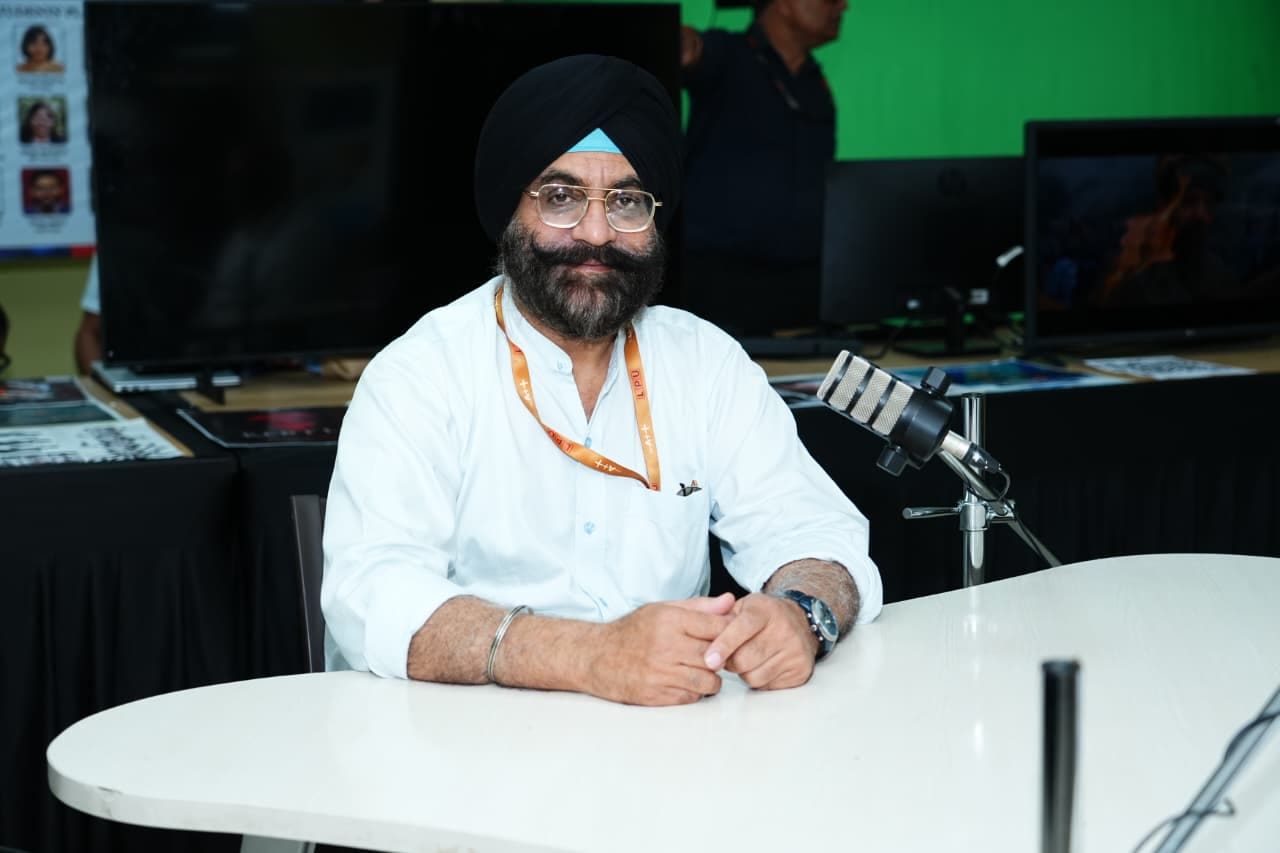
(This article is written by Prof. (Dr.) Pavitar Parkash Singh, Senior Dean and Coordinator of Faculty (COF), LPU)