
 E-Paper



In rain deficit Maharashtra, Bhira and Tamhini close in on 10,000mm mark, Solapur gets just 159.5mm
The geographical divide within Maharashtra could not have been more conspicuous than during this monsoon with Bhira and Tamhini in the western ghats closing in on the 10,000 mm seasonal rainfall mark even as Solapur has recorded only 159

 Prefer HTon Google


The geographical divide within Maharashtra could not have been more conspicuous than during this monsoon with Bhira and Tamhini in the western ghats closing in on the 10,000 mm seasonal rainfall mark even as Solapur has recorded only 159.5 mm rainfall since June 1 which is the lowest among the state’s districts.
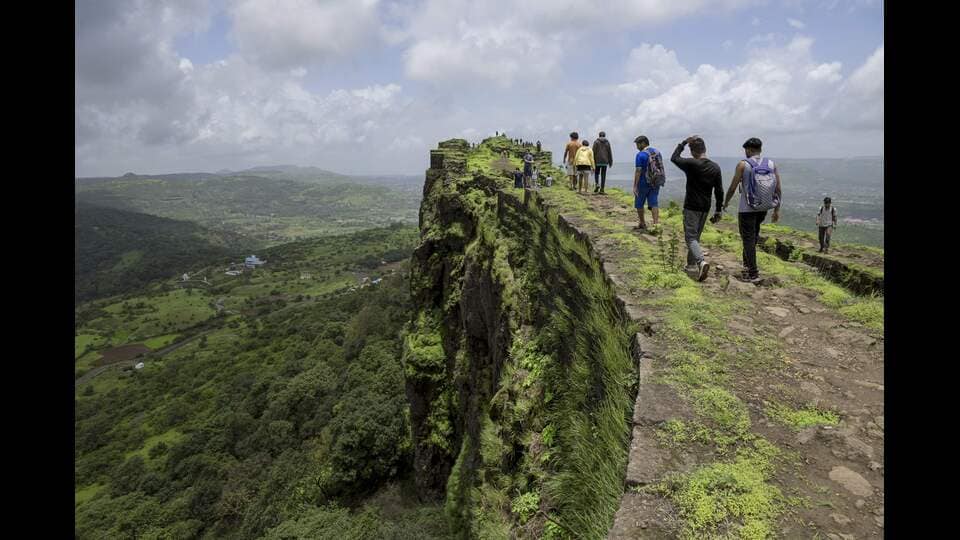
Meteorologists attribute this sharp contrast in rainfall to the interaction between the southwest monsoon and the western ghats. While moisture-laden winds from the Arabian Sea rise and release heavy rain on the windward side of the Sahyadris, areas to the east lie in the rain-shadow region and can receive substantially less rainfall.
So far this monsoon, Bhira in Raigad district has recorded 9,534 mm of rainfall while Tamhini in Pune district has logged 9,081 mm. Both locations continue to receive showers, keeping them within striking distance of the 10,000 mm seasonal rainfall mark, which would be an exceptional seasonal total even for the western ghats.
The exceptionally high rainfall in Bhira and Tamhini is a result of their location on the windward side of the western ghats.
Located in Mulshi tehsil, Pune district, Tamhini is a densely forested region that has repeatedly recorded rainfall totals comparable to, and in some years higher than, places like Cherrapunji in Meghalaya which are traditionally known as the wettest places in the country. In 2024, Tamhini recorded 9,644 mm of rainfall during the monsoon; while in 2025, it received 9,109 mm by September 23, surpassing Cherrapunji for the second consecutive year. This year, it has already crossed 9,000 mm by September 21. An IITM study of Tamhini found that the region is an exceptionally high rainfall pocket in the northern western ghats. An analysis of rainfall data from 1975 to 2013 revealed that Tamhini has a mean monsoon rainfall of about 6,498 mm and ranks among ‘highest rainfall stations’ in India. The study also revealed that Tamhini’s monsoon rainfall has exceeded that of Cherrapunji in several non-El Niño years. This year’s intense rainfall has further reinforced the pattern. Tamhini received 1,635 mm rainfall in just 72 hours between July 6 and 8 including more than 500 mm rain on each of the three days.
Bhira, located near the Mulshi-Tamhini region though administratively speaking in Raigad district, also recorded exceptional rainfall. Its seasonal total of 9,534 mm places it alongside Tamhini among the wettest pockets in Maharashtra this monsoon. S D Sanap, senior meteorologist from IMD Pune, said, “There is no specific reason for such heavy rainfall at both these stations. Both stations fall under the ghat section hence the rainfall is expected to be in the heavy to isolated very heavy format. About this year, the weather systems developed in July brought significant rainfall to Pune that also benefited both these stations.”
At the other end of the spectrum however, Solapur has received only 159.5 mm against its normal rainfall of 366.9 mm between June 1 and September 21, 2026, resulting in a 52% deficit. The contrast is particularly striking given that Pune, which is around 250 km from Solapur, has recorded 1,024.8 mm against its normal rainfall of 856 mm, resulting in a 20% surplus. As such, Solapur has received less than one-sixth of Pune’s rainfall during the same period. Furthermore, Pune is among only four districts in Maharashtra to have recorded normal or excess rainfall this monsoon; the other three being Nashik with a 44% surplus, Palghar with 24%, and Satara with 25%. Nashik has received 1,165.8 mm against its normal rainfall of 808.9 mm while Maharashtra as a whole has recorded 778.6 mm against its normal rainfall of 939.6 mm, leaving the state with a 17% rainfall deficit till September 21.
The deficit is considerably sharper in parts of the state’s rain-shadow and drought-prone regions. Marathwada has faced prolonged dry spells, with agriculture department officials estimating that around 25% of the standing crops have already been damaged. Several Vidarbha districts, including Akola, Amravati, Wardha, Nagpur and Chandrapur, have also recorded rainfall deficits of more than 30%.


