
 E-Paper



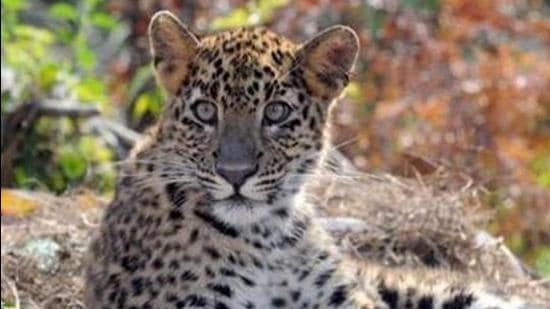
Junnar is ground zero for leopard attacks on humans, livestock
Junnar has lost 34 people and had 108 injured in leopard attacks since 2001, according to data provided by the office of Jayant Gauda, deputy conservator of forests, Junnar


PUNE Pune city witnessed its first leopard attack this year on Tuesday, when Sambhaji Athole (45), out on a morning walk in Gosavi Vasti in Hadapsar was attacked.
However, there is another part of the district which has been grappling with the issue for multiple years.
Junnar has lost 34 people and had 108 injured in leopard attacks since 2001, according to data provided by the office of Jayant Gauda, deputy conservator of forests, Junnar.
While the number of deceased in Junnar has been restricted to one per year since 2015, barring 2018, when there were two deaths, and 2020 when there were no deaths, the livestock in the area has seen an increased threat over the years.
With 382 animals attacked by leopards in 2001, the number has gone up to 1,178 in 2021, according to the records of the forest department.
The highest number of livestock attacks in the past 20 years was in 2019, just before the Covid-19 lockdown, where 1,995 animals were affected in 1,704 incidents.
Even though the attacks reduced in 2020, the number of livestock affected remained high with 1,626.
In 2021, 1,178 livestock animals have been attacked within seven months.
Wild animals and birds have also become targets of the leopards in the area - with three attacks in 2018, two in 2019 and two in 2020. 2021 witnessed six animals injured by leopards within six months. The injured animals and birds include Sambar (deer), peahen, monkey, fox, and peacock.
The forest department along with ResQ foundation and local rescue teams have rescued 30 leopard cubs - 10 female and 20 male - since 2018 in Junnar. In the same period, 22 adult leopards have been rescued – six females and 16 males.
The forest department has trained local people and associates with ResQ foundation of Neha Panchamiya to deal with the increasing sightings of wild animals and man-animal conflicts. However, the need for a comprehensive policy is felt with every incident - be it leopard attacks or the death of a Gaur that strayed into Pune.
Earlier in August this year, the 11-member committee set up by the Maharashtra government to study leopard-human conflict, had re-stated the importance of co-existence with the big cats and focus on engagement with locals. The committee rejected suggestions of capturing or trans-locating leopards from the conflict zone besides suggesting a “Living with Leopards” (LwL) programme.
While leopard attacks have grown over the years, deaths of big cats in Maharashtra have also seen rise over the years. During 2020 went up to 174, 60% more than the figure registered in 2019 that saw 110 leopard deaths.


