
 E-Paper



Lower case fatality rate, but rate of recovery same as 2020: experts
Early intervention, according to these experts, and timely treatment from hospitals, has helped with recovery


Though the rate of recovery among critical patients during the second wave of the Covid pandemic in Pune is the same as compared to last year, the case fatality rate (CFR) is lower, said health experts.
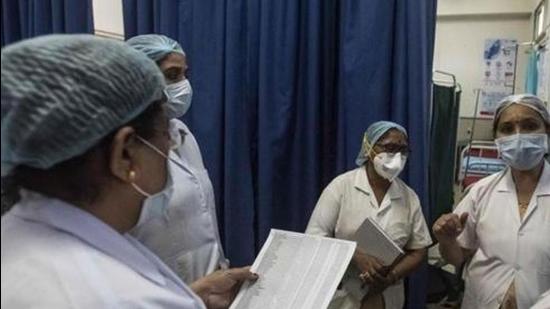
Early intervention, according to these experts, and timely treatment from hospitals, has helped with recovery.
A deeper correlation though can be seen only after a few more days have passed, said doctors.
As per the health department, the CFR in Pune city for the month of April is 1.81 per cent.
In May 2020, the CFR was 4.62% and it came down to 2.39 % in August-September, as per the Pune Municipal Corporation (PMC) and district administration.
According to Dr Kapil Zirpe, chief intensivist at Ruby Hall Clinic, for critical patients at his hospital the recovery rate is around 60 per cent.
“The mortality rate for critical patients varies as per the use of non-invasive ventilation or invasive ventilation. And the recovery rate for critical patients is roughly 60 per cent, not just in Pune but across the world as well,” said Dr Zirpe.
At many other hospitals in Pune, severely symptomatic patients are taking more time to recover, though fatalities are fewer, is the observation.
“Critical patients take their own time to recover. Early detection and intervention is important and will help patients. In this second wave, the younger population is getting more infected and in many cases, the younger population is healthy and they don’t seek early detection and intervention. Elderly citizens are now more aware because of the first wave, so they seek early treatment,” said Dr Zirpe.
In Pune, the overall recovery rate as of Sunday was 82.91%, while the same for Maharashtra has been 81.18%, as per the health department.
Dr Sanjeev Wavare, assistant chief of health at the PMC, said that without ventilation, critical patients’ recovery rate is 60 per cent.
“During the second wave, critical patients with ventilation have recovered at the rate of 60 per cent rate. This is lower than the previous wave. It depends on the patient as well and early detection and intervention plays an important role,” said Wavare
Dr Murlidhar Tambe, dean of BJ General Medical College and Sassoon General Hospital, said that the CFR is low as many patients are seeking early treatment.
“Many patients are aware of the symptoms now and are seeking early medical help, which helps them recover faster,” said Dr Tambe.
Dr Dhananjay Kelkar, medical director of Deenanath Mangeshkar Hospital, said that the recovery rate is the same as the last time.
“However, the patient inflow this time is more than the last wave. The number of patients is large. Patients coming to the hospital have increased, but otherwise, all the patterns of illness are the same,” said Dr Kelkar.
He added that if there is no hypoxia, there will be no severe treatment.
“If the patient doesn’t have a shortage of oxygen and other symptoms, then they should be isolated at home. As soon as there is hypoxia, patients should seek medical treatment immediately. Only in case of hypoxia, patients are in need of rigorous treatment. Otherwise the treatment is normal,” said Dr Kelkar.
He also added that there are a lot of post-Covid symptoms that are observed among patients.
“Last time, more senior citizens tested positive. However, this time either the old have been infected or are vaccinated, so their numbers are less. Transmissibility this time is much more than the last wave. As a result we are seeing the entire family getting the infection and many infected are younger in age,” said Kelkar.


