
 E-Paper



Maha forest dept signs agreement with Vantara for relocating 50 leopards from Junnar
Maharashtra's forest department has agreed to relocate 50 leopards to Vantara to address human-leopard conflicts, starting with 20 leopards next week.

 Prefer HTon Google


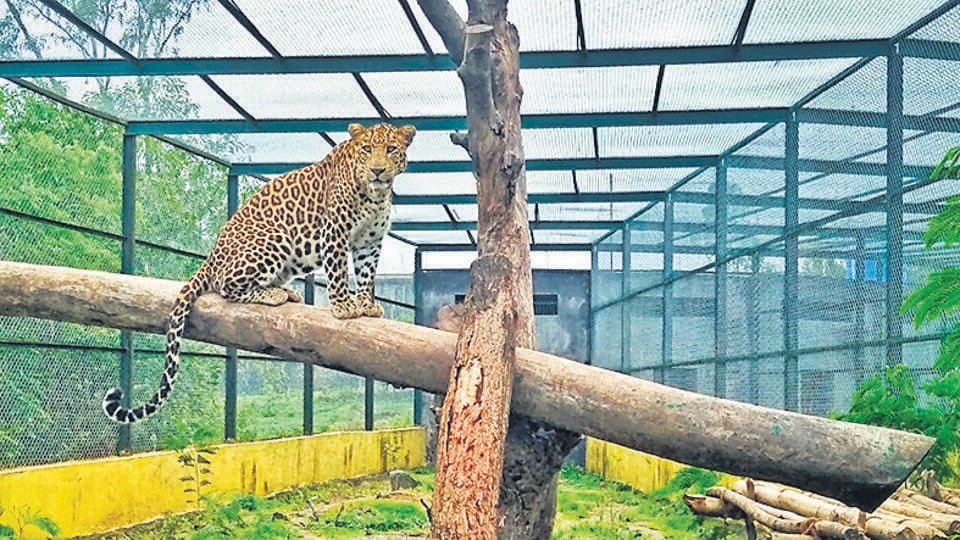
Pune: The Maharashtra forest department has signed an agreement with Vantara for the relocation of 50 leopards from the state, forest minister Ganesh Naik announced via a social media post on Thursday. According to forest officials, the leopards will be shifted from the Manikdoh Leopard Rescue Centre in Junnar.
ALSO READ | Ahilyanagar forest dept proposes separate facility to house 200 leopards
The decision to relocate the animals was first announced in November 2025 amid rising incidents of human–leopard conflict in the Junnar region of Pune district. Following the announcement, a team from the Jamnagar-based Vantara facility conducted a ground inspection of the rescue centre to assess the feasibility of relocating the animals.
ALSO READ | 2 arrested for cutting off nails of leopard in HP's Nahan
Officials subsequently submitted the proposal for shifting the leopards to the Central Zoo Authority for approval. After receiving the necessary permissions from the authority, the state forest department formally entered into an agreement with the Vantara facility. “Besides relocation, the agreement also includes training, capacity building of staff and other technical support,” a senior official from the Pune forest department said.
Meanwhile, the department has identified around 20 leopards that are likely to be shifted in the first phase. According to Smita Rajhans, assistant conservator of forest, Junnar division, the initial batch of animals is expected to reach the Jamnagar facility within a week.
ALSO READ | 14-year-old killed in leopard attack near Dudhwa buffer zone
The relocation is being viewed as one of the measures to manage the increasing number of leopards housed at the rescue centre and address the broader issue of human–wildlife conflict in the region. Officials said further phases of relocation will be carried out after reviewing the first transfer.


