
 E-Paper



Maha sets up SOP for funding high-cost organ transplants
Patients can now access financial assistance for complex procedures costing above ₹5 lakh up to ₹ 22 lakh.

 Prefer HTon Google


Pune: The Maharashtra government last week approved a detailed standard operating procedure (SOP) to provide financial assistance in high-cost, rare organ transplant procedures through a dedicated corpus fund under the expanded Mahatma Jyotirao Phule Jan Arogya Yojana (MJPJAY) and Ayushman Bharat–Pradhan Mantri Jan Arogya Yojana (AB-PMJAY), health officials said on Sunday.
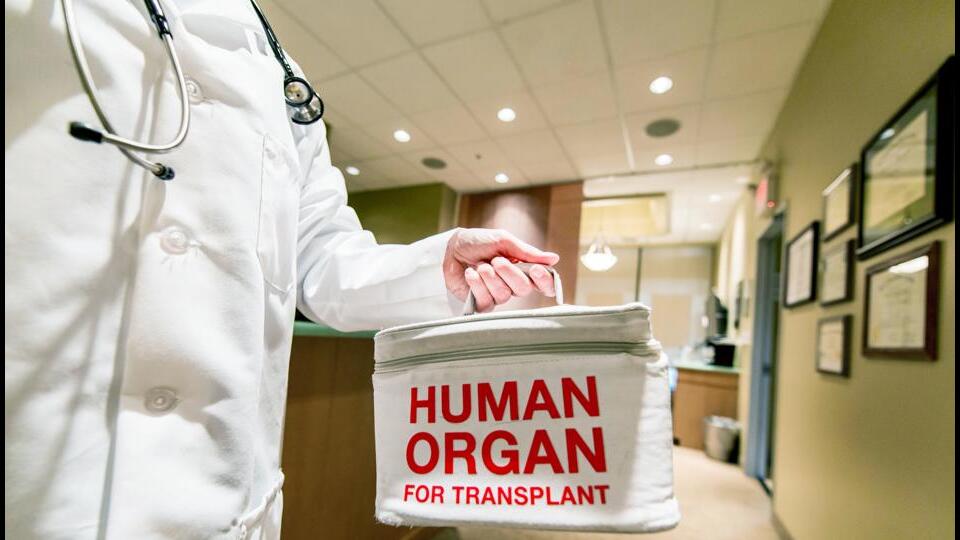
Patients can now access financial assistance for complex procedures costing above ₹5 lakh up to ₹ 22 lakh. As per the SOP, 20% of the treatment claims funds that empanelled government hospitals receive will be pooled into a central corpus fund managed by the State Health Assurance Society, to aid high-cost procedures. Officials said the state has already received five applications for financial assistance.
All Maharashtra residents are eligible for the aid regardless of income source. In transplant cases, approval from competent authorities under the Transplantation of Human Organs and Tissues Act (THOTA) is mandatory. The SOP mandates a comprehensive documentation process, including Aadhaar, ration card, hospital registration certificates, clinical reports, and specialist recommendations. Separate documentation requirements have been outlined for procedures such as bone marrow transplants and heart valve implants.
Annasaheb Chavan, chief executive officer, MJPJAY and PMJAY schemes, said the move aims to streamline approvals and ensure faster financial support for critically ill patients requiring advanced procedures. “Under both schemes the beneficiaries are provided coverage of up to ₹5 lakh per year per family. This was inadequate to cover high-end expensive procedures like a transplant; because of this, the government decided to launch this initiative,” he said.
The government created a three-level committee structure to scrutinise and approve applications: Scrutiny Committee to conduct initial verification of applications, Medical and Financial Approval Committee to evaluate clinical necessity and sanction funds, and Special Treatment Assistance Committee to provide final oversight and post-facto approvals. Besides, applications will be reviewed weekly, ensuring quicker decision-making for urgent cases.
A senior official involved in the policy, on request of anonymity, said, “The SOP ensures transparency and accountability at every stage — from application to fund disbursal. The focus is on reducing delays in life-saving treatments while maintaining strict medical and financial scrutiny.”
As per officials, hospitals will be responsible for submitting applications on behalf of patients, along with cost estimates and clinical notes. They must also ensure compliance with THOTA guidelines and submit all post-treatment documents for reimbursement. Funds approved under the corpus will be transferred directly to hospital bank accounts through an online system. While applications will initially be accepted offline, the state plans to introduce an online system for submissions and tracking.
In 2023, the state government expanded the MJPJAY scheme, making it universal and increasing treatment coverage from ₹1.5 lakh to ₹5 lakh per family annually. Under PM-JAY, beneficiaries are also entitled to coverage of up to ₹5 lakh per family per year. Maharashtra administers both schemes in an integrated manner. Additionally, in November 2025, the state increased the number of medical procedures covered under the schemes from 1,352 to 2,399 and revised package rates. There are over 4,500 hospitals (government and private) empanelled under the scheme.


