
 E-Paper



Metro Phase 2 gains pace with new corridors; Phase 1 ridership crosses 10cr
A major long-distance corridor between Bhakti Shakti and Chakan, spanning 45.29 km with 34 stations and an estimated cost of ₹12,937 crore, is currently in Detailed Project Report (DPR) preparation. The proposed line aims to connect Pimpri-Chinchwad with the Chakan industrial belt.

 Prefer HTon Google


Pune: Maharashtra Metro Rail Corporation managing director Shravan Hardikar on Friday presented a comprehensive update on the Pune Metro project, highlighting rapid progress on Phase 2 expansion plans, including the Hadapsar–Loni Kalbhor (11.10 km) and Hadapsar–Saswad Road corridors, even as the Phase 1 network became fully operational and crossed a major ridership milestone.
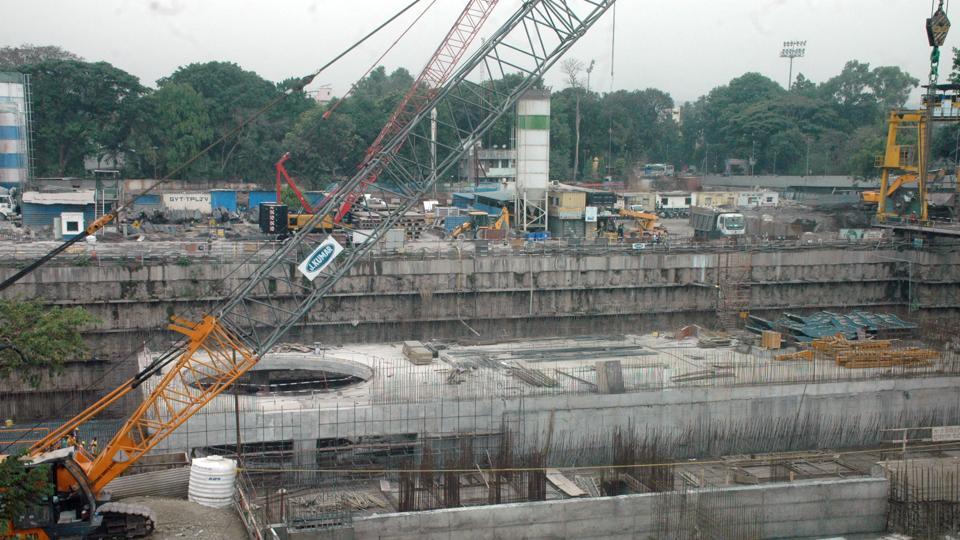
A major long-distance corridor between Bhakti Shakti and Chakan, spanning 45.29 km with 34 stations and an estimated cost of ₹12,937 crore, is currently in Detailed Project Report (DPR) preparation. The proposed line aims to connect Pimpri-Chinchwad with the Chakan industrial belt, easing the daily commute for thousands of workers.
At the core of Phase 2 is Line 4 (Kharadi–Khadakwasla) along with Spur Line 4A (Nal Stop–Warje–Manik Baug), a combined 28-station corridor costing ₹9,857.85 crore. While Line 4 will cover 25.52 km, the 6.12-km spur line will further strengthen east–west connectivity.
Topographical surveys and geotechnical investigations for these corridors have been completed, and Detailed Design Consultancy (DDC) contracts for all 28 elevated stations have been awarded. Land from the Central Water and Power Research Station (CWPRS) has been identified for depot construction.
Tenders for civil works are being processed in two packages, with the first already sent to the Asian Development Bank (ADB) for vetting and the second under preparation.
Another important corridor—Vanaz to Chandani Chowk to Wagholi (12.75 km, 13 stations, ₹3,626.24 crore)—is also progressing. Contracts for Line 2A (Vanaz–Chandani Chowk) have been awarded, while tenders for parts of Line 2B are under evaluation and preparation.
Other proposed Phase 2 links include metro connectivity to Pune Airport at Lohegaon and a District Court–Kondhwa–Yewalewadi corridor with a spur to Undri. These projects are currently at various stages of DPR preparation, alignment finalisation, and approvals.
Hardikar stressed that the focus is now on expanding the network in line with the city’s rapid growth. ““Phase 2 is a transformative step towards expanding mass transit to emerging residential and industrial areas. Projects like Hadapsar–Loni Kalbhor and the Bhakti Shakti–Chakan corridor will play a crucial role in connecting key growth centres. We are working towards timely approvals, DPR finalisation, and seamless network integration,” he said.
With projects worth over ₹25,000 crore under planning and execution, Pune Metro’s Phase 2 is expected to significantly expand the city’s rail-based public transport system and reshape urban mobility across the region.


